 Türkçe
  English
  Español
  Français
  Português
  Deutsch
  Italiano
  Русский
  العربية
  简体中文
简体中文  香港中文
香港中文  한국어
한국어  日本語
日本語  Nederlands
  Bahasa Indonesia
 Kompozit Duvar Kaplama Nedir?
Kompozit duvar kaplaması, dış bina uygulamalarında ahşap plastik kompozitlerin (WPC) yenilikçi kullanımını ifade eder.Bu malzeme, doğal akabın estetiğini sentetik malzemelerin dayanıklılığı ve bakımsız yönleriyle birleştirir.Sonuç, sadece çekici görünmekle kalmayın, aynı zamanda çeşitli çevresel koşullara karşı istisnai koruma sağlayan sürdürülebilir bir yapı çözümüdür.Ortak-ekstrüze kapstock tabakası ile kompozit duvar kaplaması, gelişmiş hava direnci sunar ve bu da bir dizi iklim için uygun hale getirir.
Farklı İklimler Genelinde Performans
Kompozit duvar kaplamasının göze çarpanın özelliklerinden biri, çeşitli iklimlerde dikkat çekici performansıdır.Sıcak ve nemli bölgelerde, WPC kaplama, geleneksel ahşapla ilişkili yaygın sorunlar olan bükmek veya şişmeye karşı sabit ve dirençli kalır.Capstock tabakası nezele karşı bir bariyer görevi görür ve zaman içinde bozulmaya yol açan emilimi önler.Tuz ve nemin özellikle zarar verebileceği kıyı bölgelerinde, kompozit malzemeler görünümünü ve yapısal bütünlüğünü koruyan uzun ömürlü bir çözüm sunar.
Benzer şekilde, iklimlerin dondurulunmasında, kompozit duvar kaplaması çatlama ve bölünmeye direnerek üstün.Geleneksel ahşap soğuk sıcaklıklarda kırılgan hale gelebilir, ancak WPC'nin mühendislik özellikleri hava koşullarından bağımsız olarak boyutsal stabilite sağlar.Ayrıca, kompozit malzemelerin kaymaya dayanıklı yüzeyi, buzlu koşullar sırasında kaza riskini azaltarak dış mekan uygulamaları için güvenli bir seçim haline getirir.
Boyutsal İstikrar ve Uzun ömürlülük
Kompozit duvar kaplamasının boyutsal stabilitesi, benzersiz bileşiminden elde edilir.Sıcaklık dalgalanmaları ve nem değişiklikleri nedeniyle genişleyen veralabilen doğal adun aksine, ahşap plastik kompozitler zaman içinde şekillerini ve yapılarını korur.Bu özellik, sık sık onarım veya değiştirme gerektiren güvenilir malzemeler gerektiren inşaatçılar ve mülk sahipleri için özellikle faydalıdır.WPC kaplamasının uzun ömürlülüğü, daha düşük yaşam döngüsü maliyetlerine dönüşür ve bu da hem konut hem de ticari projeler için finansal olarak sağlam bir seçimdir.
Dahası, kompozit duvar kaplamasının UV direnci, renklerin canlı kalmasını ve yoğun güneş ışığı altında solmasını sağlar.Bu özellik, güneşli alanlarda bulunan binaların estetik çekiciliğini korumak için kritik öneme önemsediktir.Ortak-eksik kaplamanın çift katmanlı yapısı sadece görsel çekiciliğini arttırmakta kalmaz, aynı zamanda renklendirme ve yüzey bozulmasından korur ve cazibesini yıllarca korur.
Düşük bakım gereksinimleri
Kompozit duvar kaplamasının en avantajdan bazı yönlerinden biri düşük bakım gereksinimidir.Bütünlüğünü korumak için düzenli lekeleme, sızdırmazlık ve boyama gerektiren geleneksel ahşapın aksine, WPC kaplama sadece ara sıra sabun ve su ile temizlemeyi gerektirir.Bu zaman kazandıran fayda, özellikle devam eden bakım maliyetlerini ve çabalarını azaltmaya çalışan hem ev sahipleri hem de ticari mülk yöneticileri için çekicidir.Kompozit malzemelerin gözeneksiz yüzeyi, kir ve kirin birikme yapmamasını sağlar ve bakım sürecini basitleştirir.
Ek olarak, kompozit duvar kaplaması, geleneksel ahşap yapılarını ciddi şekilde tehlikeye sıyıyan termitler ve odunbora böcekler gibi zararlılara karşı dayanıklıdır.Bu direnç, WPC ürünlerinin genel dayanıklılığı ve güvenilirliğini daha da geliştirir ve bu da onları dış mekan uygulamaları için tercih edilen bir seçim haline getirir.
Çevre Dostça Seçenek
Sürdürülebilirliğin çok önemli olduğu bir çağda, kompozit duvar kaplaması geleneksel yapı malzemelerine çevre dostu bir alternatif olarak öne çıkıyor.WPC ürünleri genellikle geri dönüştürülmüş ahşap lifler ve plastik kullanılarak üretilir, kaynak tasarrufuna katkıda bulunur ve atıkları azaltır.Kompozit malzemeleri seçerek, inşaatçılar ve ev sahipleri çevre dostu uygulamaları destekler ve karbon ayak izlerini en aza indirmeye yardımcı olmak.
Kompozit duvar kaplamasının uzun ömürlülüğü ve dayanıklılığı, zaman içinde değiştirmeler ve onarımlar için daha az kaynamaya ihtiyaç duyuldu.Bu sürdürülebilirlik yönü, çevresel etkilerinin giderek daha fazla farkında olan modern tüketicilerle iyi rezonanmaktadır.Sonuç olarak, WPC kaplama sadece estetik ve işlevsel ihtiyaçları karşılamakla kalmaz, aynı zamanda sürdürülebilir bina uygulamalarına artan bir bağlılıkla da uyumludur.
Çeşitli Uygulamalar için Sorumluluk
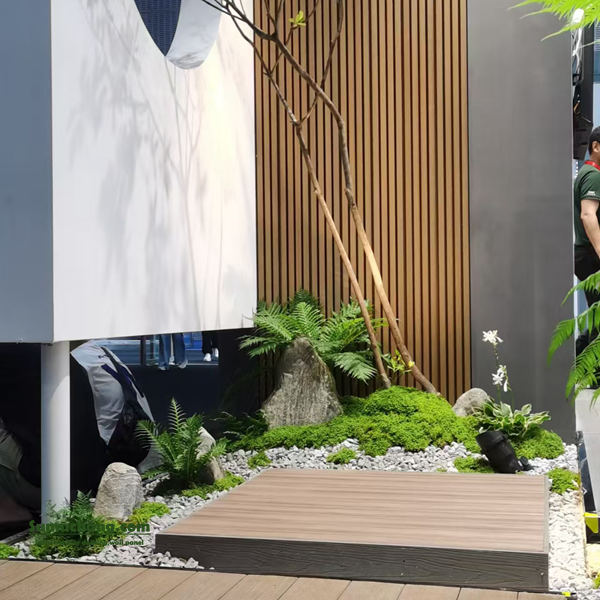
Kompozit duvar kaplaması oldukça çok yönlüdür ve çeşitli uygulamalarda kullanılabilir.Konut evleri, ticari binalar veya dış mekan yapıları için olsun, WPC ürünleri farklı mimari stil ve tasarımlara sorunsuz bir şekilde uyum sağlar.Bahçe duvarlarının, gizlilik ekranlarının görünümünü geliştirebilir ve hatta duvarlara sahip olabilirler, güç veya hava direnciden ödün vermeden zarif bir yüzey sunarlar.
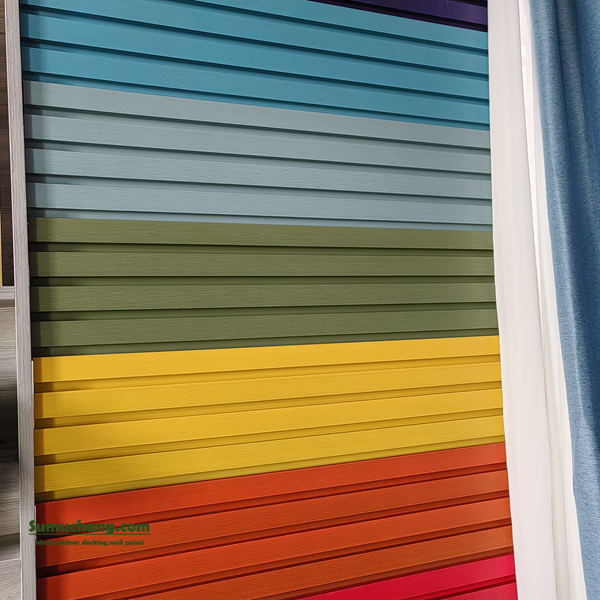
Mimarlar ve inşaatçılar için, kompozit duvar kaplamasında farklı dokuların, renklerin ve kaplamaların mevcudetliği, tasarımda yaratıcı özgürlüğe izin verir.Doğal aburanın ortaya çıkmasını ilişkili dezavantajlar olmadan taklit etme yeteneği, yenilikçi bina projeleri için heyecan verici olanaklar sunar.Dış mekan yaşam alanları popülerlik kazandıkça, kompozit duvar kaplaması güzel ve işlevsel ortamlar yaratmak için ideal bir çözüm görevi görür.