 Türkçe
  English
  Español
  Français
  Português
  Deutsch
  Italiano
  Русский
  العربية
  简体中文
简体中文  香港中文
香港中文  한국어
한국어  日本語
日本語  Nederlands
  Bahasa Indonesia
 WPC Decking için Subframe Hazırlamak
Kompozit decking kurulumuna başlamadan önce, sağlam bir alt çerçeve hazırlamak esastır.Bu yapı, döşemeniz için gerekli desteği sağlar ve seviyeli bir yüzey sağlar.Destenin kurulacağı alanı belirleyerek başlayın ve gerekli malzeme miktarını tahmin etmek için hassas ölçümler yaparak başlayın.Alt çerçeve tipik olarak 400 ila 600 milimetre aralıklarla kurulması gereken arıtın ahşap veya metal joists'den oluşur.Tüm işlerin yeterince seviyeli olmasını sağlayın, ancak düzensiz bir yüzey güverte kurulum işlemi sırasında zorluklara yol açabilir.
Joists yerleştirdikten sonra, onları uygun sabitlemelerle güvence altına almak kritik öneme önem vericidir.Dayanıklılığa garanti etmek için korozyona dayanıklı vidalar veya parantez kullanın.Bu aşamada hizalamayı sık sık kontrol etmek için bir ruh seviyesi kullanmanız önerilir.Ek olarak, neme eğilimli alanlardaki projeler için, alt çerçeveyi potansiyel su hasarından korumak için koruyucu bir bariyer kullanmayı düşünün.
Kompozit Decking için Sabitleme Yöntemleri
Kompozit zemin kaplama tahtalarını subframe sabitlemek söz konusu olduğunda, göz önünde bulundurması gereken çeşitli yöntemler vardır.En yaygın yaklaşım, yüzeyde görünür vida kafaları olmadan temiz bir yüzey sağlayan gizli klipsler veya bağlantı elemanları kullanmaktır.Bu sadece decking'in estetiğini arttırmakla kalmaz, aynı zamanda stabiliteden ödün vermeden sıcaklık dalgalanmaları nedeniyle hafif bir hareket sağlar.
Daha geleneksel bir yöntemi tercih ederseniz, yüzey vidaları kullanılabilir ve pürüzsüz bir yüzeyi korumak için sayaçlar sağlar.Sabitleme yöntemi seçimi, kompozit zemin kaplama fiyatına da etki edebilir, bu nedenle ilerlemeden önce her bir seçenekte yer alan maliyetleri değerlendirmeye değer.Seçilen yöntem ne olursa olsun, zaman içinde hareket ve potansiyel hasarı önlemek için her kurulun yeterince güvence altına alınmasının sağlanması.
Genişletici boşluklar ve kesme teknikleri
Kompozit malzemeler sıcaklık değişiklikleri nedeniyle genişleyebilir ve daralabilir ve kurulum sırasında uygun genişleme boşluklarını dahil etmeyi hayati hale getirir.Tipik olarak, her bir tahta arasında ve güverte alanının kenarlarına 5 ila 10 milimetrelik bir boşluk bırakılmalıdır.Bu ödene, güvertenin bükmeden veya bükmeden hareketi barındırabileceğini garantiler.
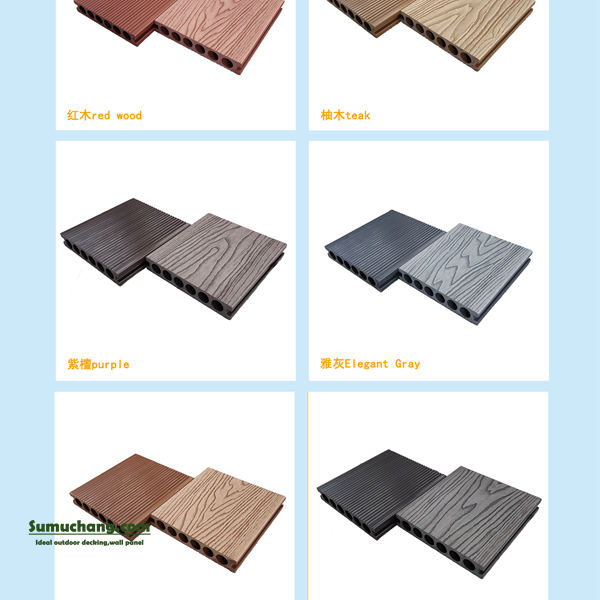
Belirtilen boyutlarınıza uyacak şekilde pantoları keserken, temiz bir bitiş için ince dişli bir testere kullanın.Doğruluğu sağlamak için kestirlerinizi dikkatlice işaretleyin ve her zaman toz ve enkaza karşı korumak için koruyucu ekipman giyin.Ayrıca, gerçek tahtalarda çalışmadan önce tekniğinizi ince ayar yapmak için hurda parçalarda birkaç test kesimi yapmak da faydalı olabilir.
Uzun Lasting Decking için Bakım İpuçları
<p Kompozit zemininizin uzun ömürlülüğünü sağlamak için, düzenli bakım çok önemlidir.Yüzeyin periyodik olarak temizlenmesi, süslemenizin görünümünü ortadan kılacak olan kir ve küf birikimini önlemeye yardımcı olur.Hafif bir deterjan ve ılık su temizlik için etkili olabilir; yüzeyi yumuşak bir smacı fırça ile oklayın.Kompozit yüzeye zarar verebilecekleri için sert kimyasallar veya aşındırıcı malzemeler kullanmaktan kaçının.Ek olarak, panları kontrol edin ve alt çerçeve düzenli olarak aşınma veya hasar belirtileri için.Alt çerçeve yapısında gevşek vidalar, bükme veya herhangi bir istikrarsızlık arayın.Minik sorunları derhal ele almak, hattın aşağısında daha önemli sorunları önleyebilir ve aksi takdirde kapsamlı onarımlar veya değiştirmeler gerektirerek kompozit decking fiyatına etki edebilir.
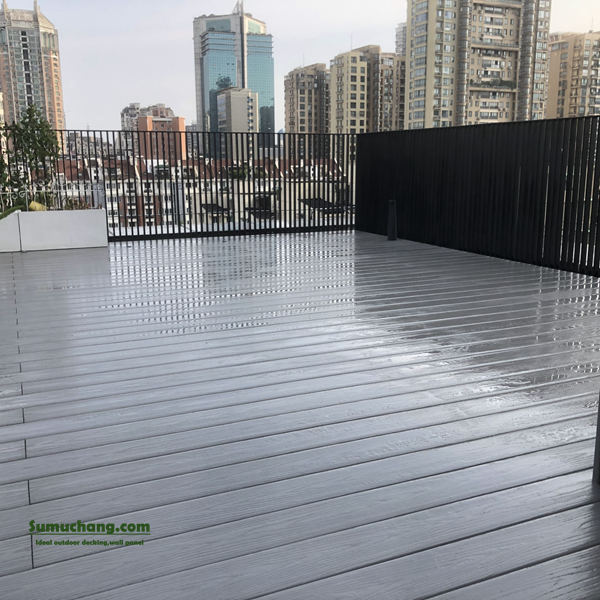
Kompozit Decking Fiyatı Tahmini
Projeniz için kompozit zemin kaplama fiyatının hesaplanması, sadece pansiyonların maliyetinin ötesinde çeşitli faktörleri içerir.Alt çerçeve malzemeleri, bağlantı elemanları ve aydınlatma veya korkutmak gibi ek özelliklerle ilgili masrafları göz önünde bulundurmalısınız.Ayrıca, işçi maliyetleri, özellikle profesyonel kurulumu tercih ederseniz, genel fiyatı önemli ölçüde etkileyebilir.
Toplam harcamanızı doğru bir şekilde tahmin etmek için, fiyatlarının yanı sıra gerekli tüm malzemelerin ayrıntılı bir listesini oluşturun.Kurulum işlemi sırasında ortaya çıkabilecek öngörülemeyen giderleri karşılamak için bir acil durum bütçesi ekleyin.Dikkatlice planlayarak ve ilgili tüm unsurları göz önünde bulundurarak, proje bütçenizi etkili bir şekilde yönetebilir ve kompozit decking'e yatırımınızın gerçek değerini yansıtmasını sağlayabilirsiniz.