 Türkçe
  English
  Español
  Français
  Português
  Deutsch
  Italiano
  Русский
  العربية
  简体中文
简体中文  香港中文
香港中文  한국어
한국어  日本語
日本語  Nederlands
  Bahasa Indonesia
 Kapaklı Kompozit Decking Boards'un Dayanıklılığı
Kapaklı kompozit zemin kaplama tahtaları, özellikle geleneksel kereste ve diğer dış seçeneklere karşı değerlendirildiğinde, dış mekan döşeme malzemelerinde güçlü bir yarışma olarak ortaya çıkar.Ahşap liflerin ve geri dönüştürülmüş plastik karışımından yapılmış, kapaklı kompozit döşeme, çevresel faktörlere dayanıklılığının artırılmasına neden olan koruyucu bir tabakaya sahiptir.Bu çift yapı sadece nem emilimini önlemekle kalmaz, aynı zamanda genellikle doğal ahşapla ilişkili bükme, parçalama ve çatlama riskini de azaltır.Sonuç olarak, kapaklı kompozit tahtalar zaman içinde görünümlerini ve yapısal bütünlüklerini koruma eğilimindedir ve bu da onları dış mekanlar için uzun süreli bir seçim haline getirir.
Buna karşılık, doğal ahşap döşeme, estetik açıdan hoş olsa da, durumunu korumak için önemli bakım gerektirir.Çürüme ve böcek istilaları gibi sorunlar ile mücadele etmek için düzenli sızdırmazlık, lekeleme ve denetimler gereklidir.Bu bakım gereksinimleri, ahşap destenin yaşam döngüsü boyunca birikebilir, bu da daha yüksek maliyetlere ve daha sık işgücü girdilerine yol açabilir.Bununla birlikte, kapaklı kompozit zemin kaplaması, yalnızca ara sıra temizlik gerektirir, bu da uzun vadeli bakım maliyetlerini düşürür.
Hava ve Aşma Direnişi
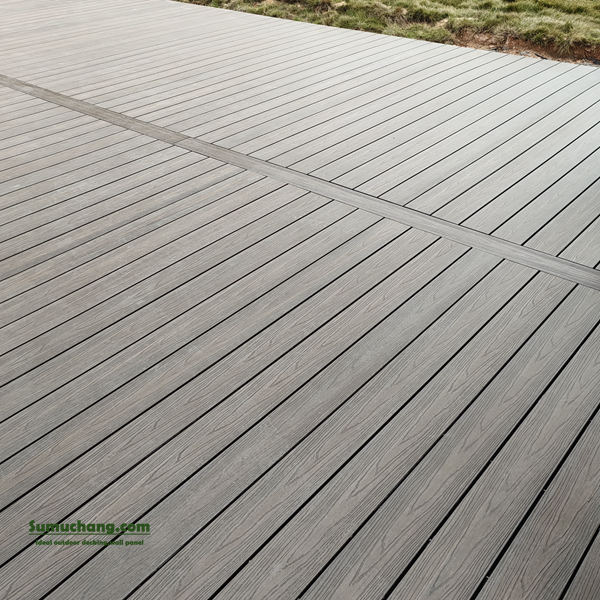
Açık hava malzeme düşünüldüğünde, hava direnci çok önemlidir.Bu alanda kapaklı kompozit döşeme tahtaları, aşırı güneş ışığı, yağmur ve kar da dahil olmak üzere zorlu hava koşullarına dayanacak şekilde tasarlandıkları için mükemmel.Bu tahtaların dış tabakası tipik olarak sollama ve renklendirmeyi önleyecek UV inhibitörleri içerir ve bu da döşemenin yıllar boyunca rengini ve cazibesini korumasını sağlar.Geleneksel kereste ise, yeterli koruma olmadan elemente maruz kaldıklarında solmaya ve bozulmaya eğilimlidir.
Ayrıca, kapaklı kompozit döşeme, alüminyum ve arıtılmamış ahşap da dahil olmak üzere diğer malzemelere kıyasla lekelere ve çiziklere karşı üstün direnç sunar.Bu dayanıklılık, yüksek trafikli alanlar veya evcil hayvanların ve çocukların bulunduğu haneler için mükemmel bir seçim yapar.Dişlere ve çiziklere eğilimli olabilen alüminyumun aksine, kapaklı kompozit paneneler bozulmamış durumlarını korur ve hem konut hem de ticari uygulamalarda çekicilerini arttırır.
Çevresel Etki ve Sürdürülebilirlik
Sürdürülebilirliğin giderek daha hayati olduğu bir çağda, kapaklı kompozit zemin kaplama panoları çevre dostu nitelikleri için öne çıkıyor.Birçok üretici, sadece çöp depolama atıklarını azaltmakle kalmayın, aynı zamanda doğal kaynakları da koruyan ürünlerine geri dönüştürülmüş malzemeler içerir.Bu husus, geleneksel decking malzemelerine sürdürülebilir alternatifler arayan çevre bilincine uygun tüketiciler için özellikle çekicidir.
<pConverse, doğal ahşap döşeme, sorumlu bir şekilde kaynaklandırılmasa ormansızlaşma ve habitat tahribatına yol açabilen ağaçlandırmayı gerektirir.Kapatılmış kompozit zemini seçerek, tüketiciler güzel bir dış mekanın tadını çıkarırken sürdürülebilir bina uygulamalarına katkıda bulunabilirler.Ek olarak, kapaklı kompozit malzemelerin uzun ömrü, geleneksel keresteye kıyasla zaman içinde daha az atık katkıda bulundukları anlamına gelir ve bu da genellikle birkaç yıl sonra değiştirilmesi gerekir.
Maliyet-Eksiklik ve Yaşam Dönümü Değerlendirmeleri
Kapaklı kompozit zemin kaplama tahtalarının yaşam döngüsü maliyeti genellikle doğal ahşap ve alüminyum gibi diğer malzemelerden daha düşük olduğunu kanıtlıyor.İlk yatırım daha yüksek olsa da, bakım, onarım ve değiştirme ihtiyacının azalması zaman içinde önemli tasarruflara yol açar.Doğal ahşap ilk bakışta aldatıcı bir şekilde ekonomik olabilir, ancak uzun vadeli maliyetleri, bakım ve potansiyel erken değiştirme ihtiyacı nedeniyle hızlı bir şekilde tırmanabilir.
Dahası, kapaklı kompozit zemin kaplama panları, sollama, bükülmek veya böcek hasarı gibi konulara daha az duyarlı olan, bu da ev sahiplerinin sürekli maliyetli onarım endişesi olmadan dış mekanlarının tadını çıkarabilecekleri anlamına gelir.Toplam sahip olma maliyetini hesaplarken, kapaklı kompozit zemin kaplama, estetik ve pratik avantajlarının yanı sıra finansal faydaları için zorlayıcı bir argüman sunar.
Alternatif Malzemelerle Karşılaştırma
Kapaklı kompozit zemin kaplaması zorlu bir seçim olsa da, diğer alternatiflerle nasıl karşılaştırılacağını düşünmek önemlidir.Alüminyum zemin kaplaması modern bir görünüm sunar ve çürümeye karşı dayanıklıdır; Bununla birlikte, güneşin altında oldukça sıcak hale gelebilir ve kapaklı kompozit tahtaların olduğu aynı sıcaklığı ve doğal hissi sağlamayabilir.Ek olarak, alüminyumun maliyeti önemli ölçüde daha yüksek olabilir ve bu da bazı tüketiciler için daha az erişilebilir hale getirir.
Geleneksel kereste ile birlikte, kapaklı kompozit tahtalar daha çok yönlü bir seçenek olarak ortaya çıkar.Ahşap görünümünü taklit ederken, doğal ürünlerle ilişkili dezavantajların çoğunu ortadan kaldırırlar.Bu, kapatılmış kompozitlerin, özellikle estetik açıdan hoş ama düşük bir cezai tolerans çözümü arayan daha geniş bir müşteri yelpazesine hitap edebileceği anlamına gelebilir.Doğal aman görünümünü ilişkili dezavantajlar olmadan çoğaltabilme yeteneği, kompozit zemin kaplamayı sunan ve modern dış mekan malzemelerinin ön saflarına yerleştirerek önemli bir avantajdır.