
 香港中文
香港中文  English
  Español
  Français
  Português
  Deutsch
  Italiano
  Русский
  العربية
  简体中文
简体中文  한국어
한국어  日本語
日本語  Türkçe
  Nederlands
  Bahasa Indonesia
 The Importance of Material Selection in Composite Decking
Composite decking materials predominantly comprise a blend of wood fibres and plastic, allowing for an environmentally friendly alternative that retains the aesthetic of natural wood. Selecting quality raw materials is paramount in the production of composite decking on existing deck structures. The wood fibres must be sourced carefully to ensure they are free from defects and treated to resist moisture and decay. The plastic component, often recycled, should complement the wood fibres to maintain structural integrity while also providing weather resistance. A well-balanced blend enhances the final product’s performance, ensuring durability and longevity in outdoor conditions.
Material Mixing Process for Optimal Performance
The mixing stage is crucial for ensuring that the wood and plastic components are thoroughly integrated. This process typically involves placing the raw materials into a high-shear mixer, where the combination is blended until a homogeneous mixture is achieved. It is vital to monitor the mixing time and temperature closely, as these factors can affect the viscosity of the mixture. Once the materials are combined, additives such as UV stabilisers and colourants can be integrated to enhance the aesthetic appeal and performance characteristics of the composite decking.
Pelletising for Efficient Extrusion
After the mixing process, the composite material is pelletised, wherein it is forced through a die to create small, uniform pellets. This step is essential as it facilitates easier handling and feeding into the extrusion machine. The pelletising temperature must be carefully controlled to prevent degradation of the materials. The resulting pellets are then cooled and stored for subsequent extrusion. Ensuring the pellets are of the correct size and consistency is vital; otherwise, it may lead to inconsistencies during the extrusion process, which can ultimately affect the final decking product.
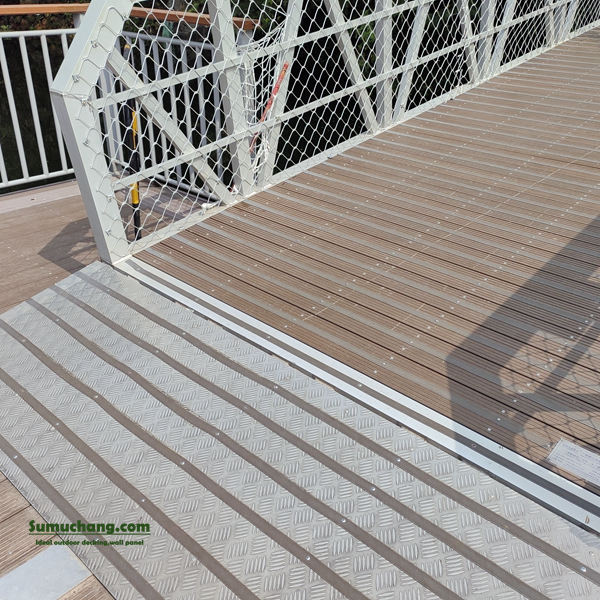
擠出溫度控制
Extrusion is a critical process in producing composite decking. The controlled heating of the pellets in the extruder is essential to achieve a uniform melt. Temperature control is fundamental, as too high a temperature can lead to material degradation while too low a temperature may cause poor flow characteristics. Typically, the extrusion temperature is set between 180 to 230 degrees Celsius, depending on the specific formulation of the composite material. Continuous monitoring of the temperature throughout the extrusion process ensures quality is maintained, resulting in a consistently formed decking profile.
Mold Design and Calibration
The design of the extrusion mold significantly impacts the outcome of the composite decking. A well-crafted mold will allow for precise shapes and dimensions, which is necessary for ensuring compatibility when installing composite decking on existing deck structures. Molds must be designed to prevent warping and ensure uniform thickness throughout the decking boards. Calibration of the cooling system is also essential during this phase, as it allows the material to set without defects. Cooling must be consistent to prevent uneven shrinkage and ensure that the final product maintains its shape and performance standards.
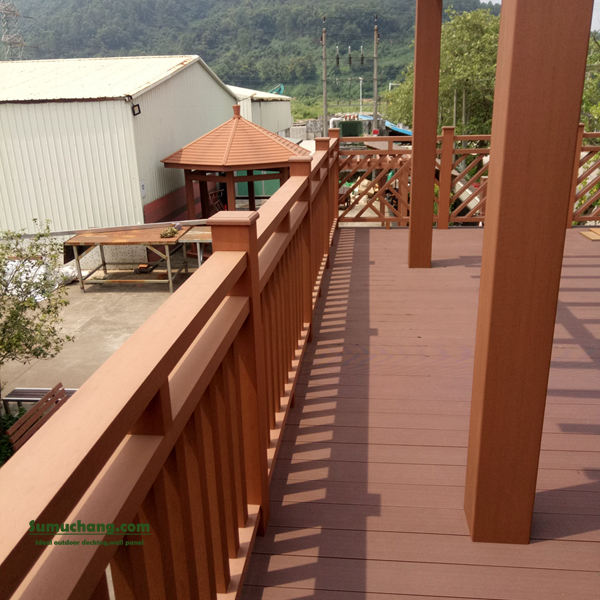
Surface Treatment and Finishing Processes
Once the composite decking has been extruded and cooled, surface treatment processes enhance its durability and aesthetic appeal. Treatments may include sanding, coating with protective finishes, or applying textured patterns. These finishing touches not only improve the look of the decking but also add resistance to scratching and fading caused by UV exposure. Advanced surface treatments can mimic the natural grain of wood, providing an attractive finish that meets consumer expectations while ensuring the decking remains functional in harsh outdoor conditions.
Addressing Common Production Challenges
Throughout the production process, several common issues may arise, which can affect the quality of the composite decking. Problems such as inconsistent pellet size, temperature fluctuations, and mold misalignment can lead to defects in the final product. It is crucial to establish a quality control protocol to monitor each stage of production and rectify any issues promptly. For instance, regular calibration of machinery and employee training on best practices can help mitigate production challenges, ensuring that the composite decking produced meets the high standards required for outdoor installations.


