複合式地板風化木材如何營造自然外觀

The Allure of Composite Decking Weathered Wood

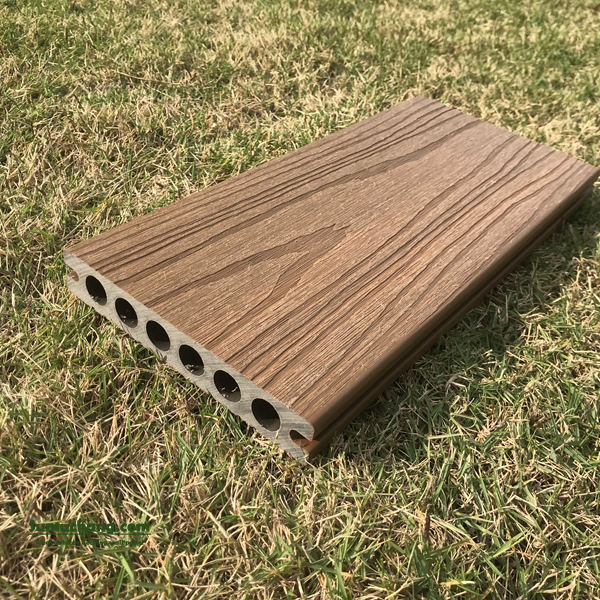
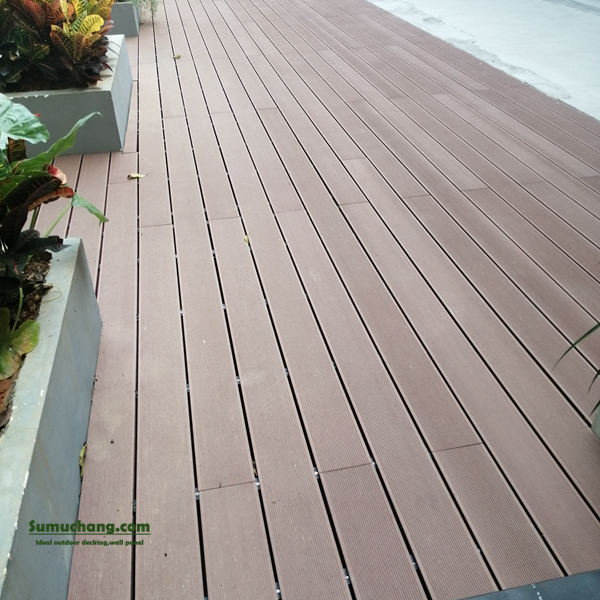
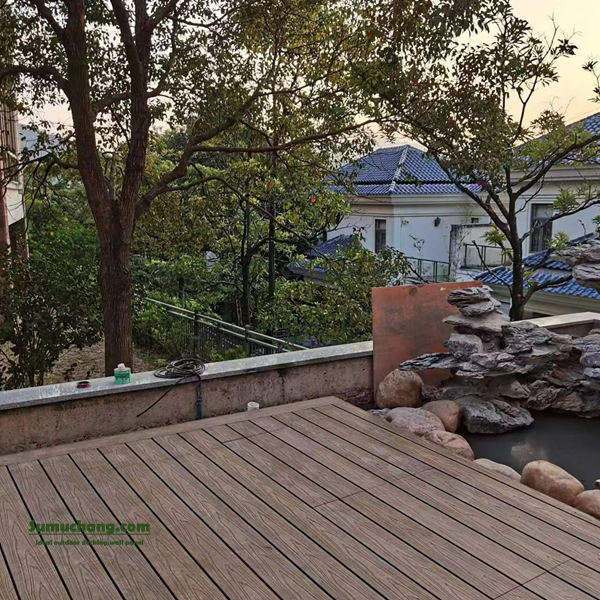
Composite decking weathered wood offers a strikingly natural aesthetic that mirrors the look of traditional timber while providing enhanced durability and sustainability. The texture and colour variances mimic that of aged wood, creating an inviting outdoor space that blends seamlessly with nature. This appeal goes beyond mere aesthetics; it represents a commitment to environmentally conscious building practices. As a sustainable building materials specialist, it is crucial to highlight the benefits of using composite materials, particularly in outdoor settings.

Composite decking is composed primarily of recycled materials, often including reclaimed wood fibres and recycled plastic. This innovative combination reduces the reliance on virgin timber, thereby preserving forests and minimising the environmental footprint associated with deforestation. Furthermore, using recycled materials in manufacturing composite decking aligns perfectly with the growing demand for sustainable building solutions.

Reduced Wood Consumption and Its Impact

By utilising composite decking weathered wood, the construction industry can significantly reduce wood consumption. Traditional wood decking requires extensive logging, which can lead to habitat destruction and biodiversity loss. In contrast, composites are engineered to replicate the look and feel of natural wood while offering a sustainable alternative. This reduction in the need for new timber not only helps to protect our forests but also stabilises the market for timber, ultimately contributing to more sustainable forest management practices.

Moreover, the energy required to produce composite decking is considerably less than that needed for traditional wood. This efficiency means that composite decking not only benefits the environment by conserving resources but also results in lower greenhouse gas emissions during production, making it an attractive option for eco-conscious builders and homeowners.

耐用性與壽命

One of the standout features of composite decking weathered wood is its exceptional durability. Unlike traditional wood, which is prone to warping, splintering, and rotting, composite materials are engineered to withstand the rigours of outdoor conditions. This resilience means that homeowners can enjoy their decking for many years without worrying about extensive maintenance or replacement. The longevity of composite decking contributes to its sustainability; fewer replacements mean less waste in landfills and a reduced need for new materials.

Additionally, composite decking does not require regular sealing, staining, or painting, further minimising the environmental impact. The low-maintenance nature of composite materials saves both time and money for homeowners, allowing them to focus on enjoying their outdoor spaces rather than continuously maintaining them.

維護優勢低

The low maintenance requirements of composite decking weathered wood make it an appealing option for busy homeowners and contractors alike. Since it is resistant to fading, mould, and insects, composite decking does not require the same level of care that natural wood does. This ease of upkeep translates to less water use and fewer chemical treatments, making it a more environmentally friendly choice.

Moreover, because composite decking is designed to withstand harsh weather conditions, it does not require the same protective measures that wood does. This not only saves resources but also means that the natural beauty of the decking is preserved without excessive intervention. As a result, outdoor spaces can maintain their charm and appeal with minimal effort, encouraging more people to enjoy sustainable outdoor living.

The Future of Outdoor Spaces

As society continues to prioritise sustainability in construction, composite decking weathered wood stands out as a forward-thinking option that balances beauty, functionality, and environmental responsibility. Its ability to offer a natural appearance while reducing the demand for virgin resources makes it a compelling choice for both private and commercial projects. Designers and architects are increasingly looking to integrate composite materials into their plans, recognising that sustainable solutions can coexist with aesthetic appeal.

In the quest for responsible building practices, embracing composite decking is more than just a trend; it reflects a significant shift towards environmental stewardship. By selecting composite materials, builders and consumers alike can contribute to a greener future while enjoying the timeless beauty of weathered wood in their outdoor spaces.

類似職位