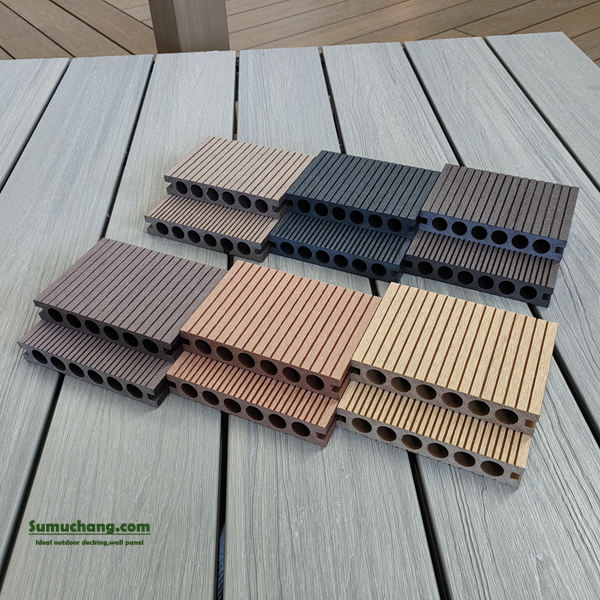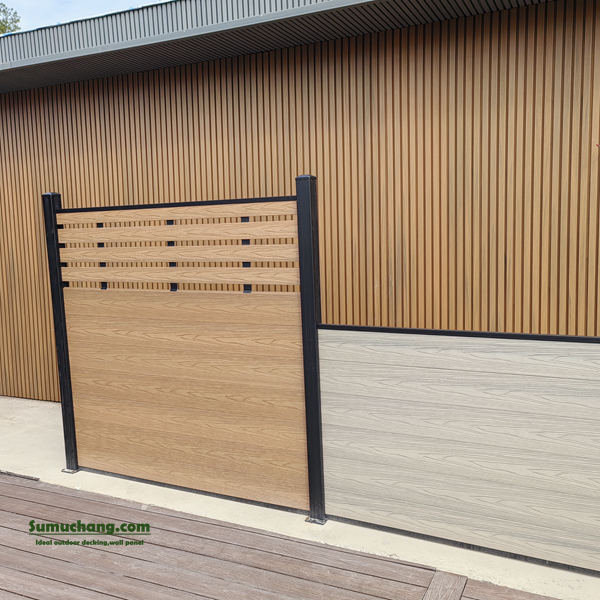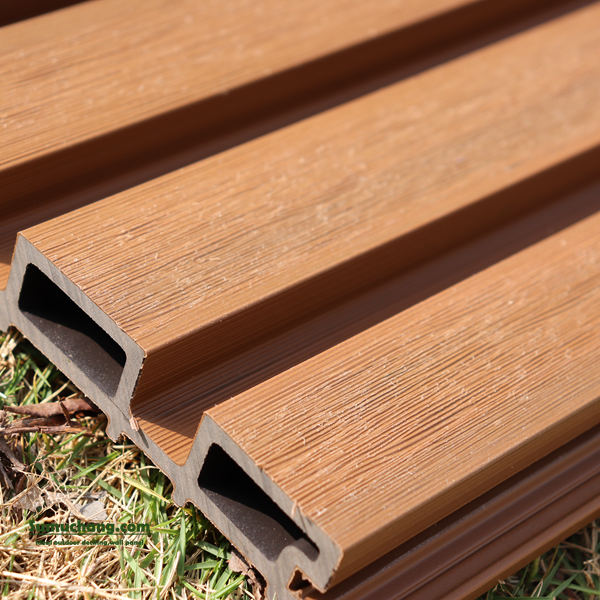
Comparing Capped WPC and Natural Timber
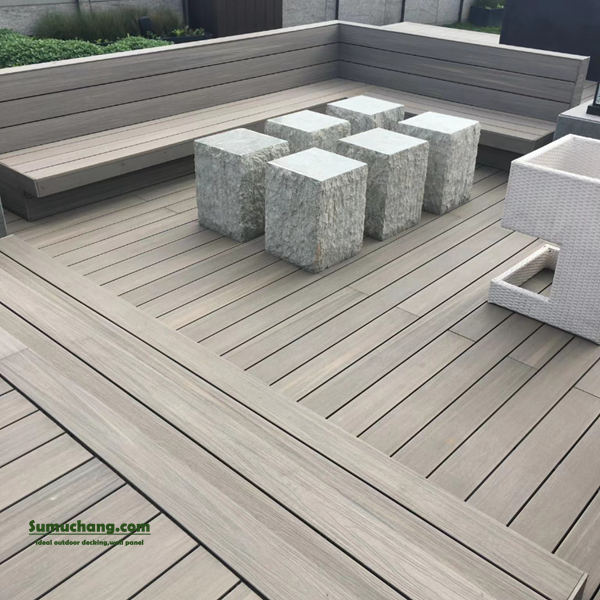
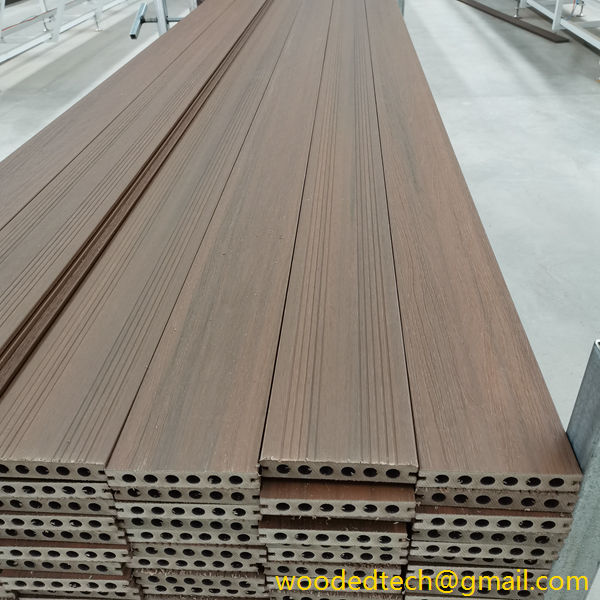
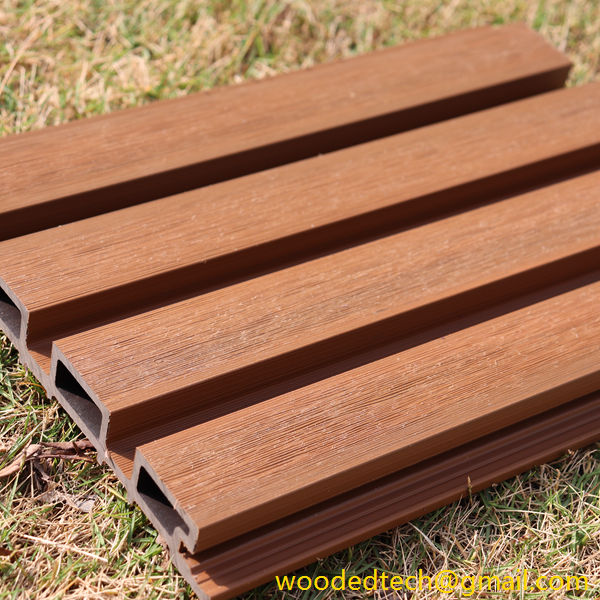
The choice between capped wood plastic composite (WPC) decking and traditional timber has been a hot topic among homeowners and builders alike. While natural timber evokes a sense of warmth and aesthetic appeal, capped WPC offers advantages that are hard to overlook. The primary benefit lies in the material’s unique construction. Capped WPC features a durable outer layer that protects the core, providing a significant barrier against the elements. In contrast, natural timber, while beautiful, is vulnerable to weathering, insects, and decay.
Timber requires regular maintenance, including sealing and staining, to preserve its integrity and appearance. Over time, this can become a costly affair, especially for expansive outdoor spaces. Capped WPC, however, is designed for longevity and minimal upkeep, only requiring occasional cleaning with soap and water to maintain its appearance. This factor alone makes capped WPC a more appealing option for those looking for a hassle-free outdoor solution.
Maintenance and Lifespan
When weighing the maintenance requirements of each material, it’s essential to consider lifespan as a crucial factor. Capped WPC is engineered to withstand the rigours of outdoor use, boasting a lifespan that often exceeds 25 years with proper care. In comparison, natural timber can last anywhere from 10 to 20 years, depending on the type of wood and environmental conditions. This discrepancy in lifespan highlights the long-term value of investing in a premium composite deck for sale.
Moreover, the maintenance involved with timber not only relates to time but also financial outlay. Regular treatments necessary to combat rot and other forms of decay can add up significantly over the years. In contrast, capped WPC’s low-maintenance nature translates to savings, making it a wise investment for residential and commercial properties alike.
Splintering and Warping Concerns
Another important consideration when choosing between capped WPC and natural timber is the issue of splintering and warping. Natural timber, while initially smooth and inviting, can develop splinters over time as it expands and contracts with changes in humidity and temperature. This can pose a safety hazard, particularly for families with children. Capped WPC, on the other hand, is engineered to resist these common issues. It maintains its structural integrity, ensuring a safe and comfortable surface for barefoot walking.

Furthermore, the risk of warping is another drawback of timber. Exposure to moisture and extreme weather conditions can lead to warping, which not only affects the aesthetic but can also compromise the safety and usability of the deck. Capped WPC is designed to withstand the elements, with a composition that prevents significant expansion or contraction, thus ensuring a stable and reliable surface for years to come.
實際總價值隨著時間所長
When considering the total value of both materials over time, capped WPC stands out as a more cost-effective solution. The initial investment in a premium composite deck for sale may be higher than that of timber, but when factoring in the savings on maintenance, the longevity of the material, and the reduced need for replacements, WPC emerges as the clear winner. It’s important to look beyond the upfront costs and consider the long-term implications.
Additionally, environmental factors play a role in value assessment. Capped WPC is often made from recycled materials, thus contributing to sustainability efforts. Timber, particularly if sourced unsustainably, may have a negative impact on the environment. Consumers today are increasingly aware of their purchasing decisions and tend to favour products that align with eco-friendly practices. Thus, opting for capped WPC can reflect a commitment to responsible consumption.
Choosing the Right Option for Your Project
The decision ultimately comes down to personal preference and project requirements. For those who cherish the classic look and feel of wood, natural timber remains appealing. However, for those prioritising durability, low maintenance, and long-term value, capped WPC presents a compelling alternative. It is vital to assess the specific needs of your project, considering factors such as climate, usage, and aesthetic preferences.

Moreover, as a factory-direct supplier, Sumuchang offers a range of premium composite decking options tailored to meet various needs. With their commitment to quality and customer satisfaction, buyers can feel confident in their choice of capped WPC, knowing they are investing in a product designed for today’s outdoor living spaces.