專業複合層甲板安裝,提供持久戶外性能

Composite Decking Installation in Diverse Climates

When selecting materials for outdoor spaces, particularly composite decking, climate compatibility is essential for ensuring long-lasting performance. Composite decking, especially the capped wood plastic composite (WPC) variety, is engineered to withstand various environmental conditions, from scorching heat to freezing cold. This versatility is attributed to its unique composition, which combines recycled wood fibres and high-density polyethylene. This blend provides excellent resistance to moisture and environmental degradation, making it ideal for both hot and humid climates as well as coastal areas where salt air is prevalent.

In hot climates, capped WPC decking maintains its structural integrity by minimising expansion and contraction. Traditional timber can warp or split under intense sun, whereas composite materials retain their shape and finish. In coastal areas, where humidity and salt can degrade conventional wood, composite decking offers a durable alternative. Its weatherproof properties prevent mould, mildew, and rot, ensuring that outdoor spaces remain functional and visually appealing.

Cold Weather Resilience of Composite Decking

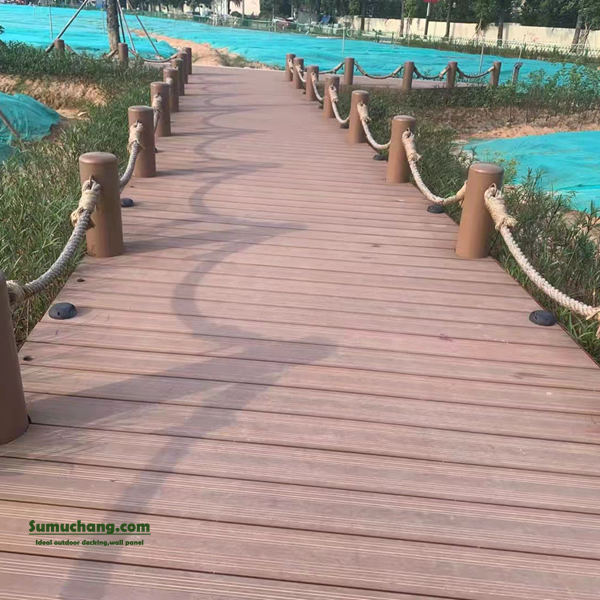
In regions experiencing freezing temperatures, the performance of composite decking is equally impressive. Unlike traditional wood, which can become brittle in cold conditions, capped WPC decking maintains flexibility and durability. This characteristic is crucial for preventing cracking and splitting that can occur with severe temperature fluctuations. Moreover, the slip resistance of composite decking surfaces remains intact, ensuring safety even when covered with snow or ice. This feature is particularly beneficial for outdoor areas such as decks and walkways, where maintaining grip is vital for user safety.

Furthermore, many capped WPC products are designed to resist colour fading, which is a common issue with materials exposed to harsh winter sunlight. This ability to maintain aesthetic appeal across seasons enhances the overall value of outdoor projects, making them not only practical but also visually striking.

High-UV Environments and Composite Decking

High-UV environments pose a significant challenge for many outdoor materials. Long exposure to ultraviolet rays can lead to fading and deterioration. However, capped WPC decking includes UV inhibitors within its formulation, which protect the surface from sun damage. This technology ensures that the rich colours and textures of composite decking remain vibrant over time, reducing the need for frequent maintenance or replacement. As a result, property owners can enjoy their outdoor spaces without the burden of continual upkeep.

Moreover, the low maintenance aspect of composite decking installation is a considerable advantage. Unlike traditional wood, which may require regular staining and sealing, capped WPC products typically need only occasional cleaning. This ease of care is a significant attraction for both residential and commercial buyers looking for efficient yet aesthetically pleasing outdoor solutions.

Dimensional Stability and Performance

Dimensional stability is another key characteristic of high-quality composite decking. This refers to the ability of the material to maintain its shape and size despite varying environmental conditions. During installation, this stability is crucial, as it ensures that the decking boards fit together snugly without gaps or warping. Proper installation techniques further enhance this stability, allowing for a seamless appearance that is both appealing and functional.

Composite decking’s performance in various climates is complemented by its advanced engineering, which allows it to expand and contract at a much lower rate compared to traditional wood. This reliability in dimensional stability translates into fewer issues with buckling or warping, ultimately extending the lifespan of the decking. For commercial projects, where aesthetics and functionality converge, this reliability is indispensable.

Safety Features of Composite Decking

Safety is paramount in outdoor living spaces, particularly in high-traffic areas. The slip resistance of capped WPC decking is a fundamental feature engineered into the product design. This non-slip surface helps prevent accidents, especially in wet conditions, making it a suitable choice for families, businesses, and public spaces alike. The combination of safety and durability ensures that outdoor installations remain not only beautiful but also secure for users of all ages.

In addition to their slip-resistant qualities, many composite decking products are also designed to be splinter-free, further enhancing safety for barefooted areas. The smooth finish provides comfort and reduces the risk of injury, making it a popular choice for decking around pools and patios.

類似職位