The Rise of Recycled Plastic Decking
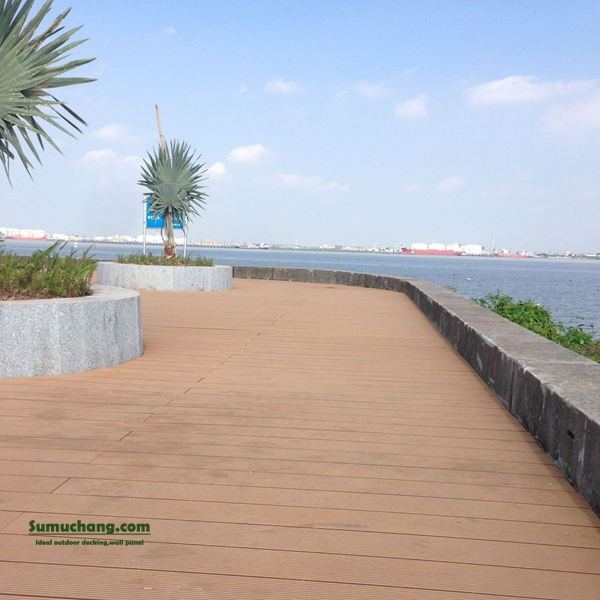
In recent years, architects and landscape designers have increasingly turned to recycled plastic decking as a preferred material for outdoor flooring. This trend is driven by a growing awareness of sustainability and the environmental benefits of using recycled materials. Recycled plastic decking not only reduces waste but also offers a long-lasting solution that withstands the elements far better than traditional wood products. As a landscape engineering consultant, I often see the transformative impact this material has on outdoor spaces, enhancing both aesthetics and functionality.
One of the most appealing aspects of recycled plastic decking is its durability. Unlike timber, which can warp, splinter, or decay over time, recycled plastic decking maintains its integrity in varying weather conditions. This resilience makes it ideal for high-traffic areas, ensuring that decks, patios, and walkways remain safe and attractive for years. Moreover, the low maintenance requirements of this material mean that property owners can save on costs associated with staining, painting, or sealing wood decking.
Benefits for Outdoor Spaces
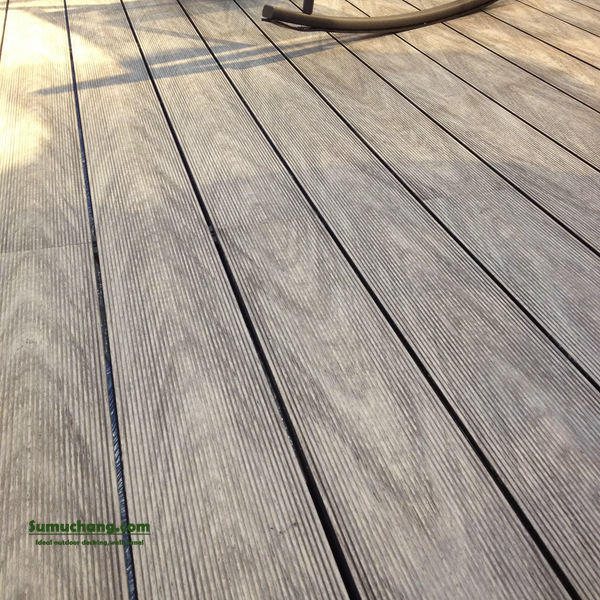
When designing outdoor spaces, the choice of materials can significantly influence the overall experience and interaction with the environment. Recycled plastic decking offers a range of benefits that align with contemporary design principles. Its slip-resistant surface is particularly valuable in areas exposed to moisture, such as poolside decks or near garden ponds, enhancing safety for users. Furthermore, its versatility allows architects to create a variety of styles, from sleek modern designs to rustic aesthetics, complementing the surrounding landscape seamlessly.

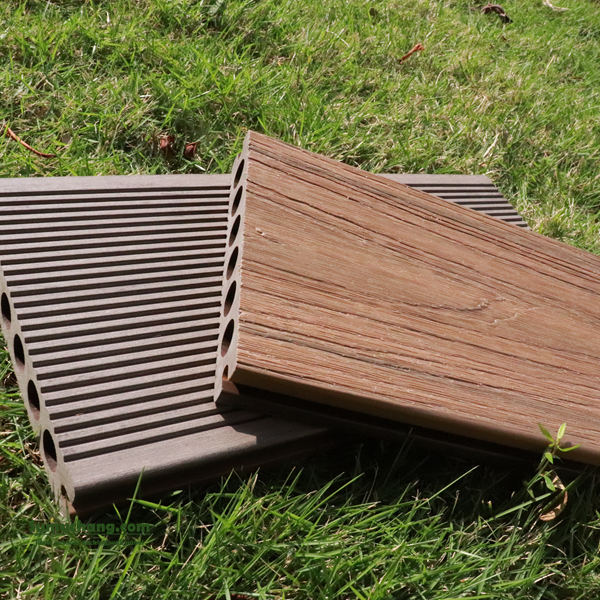
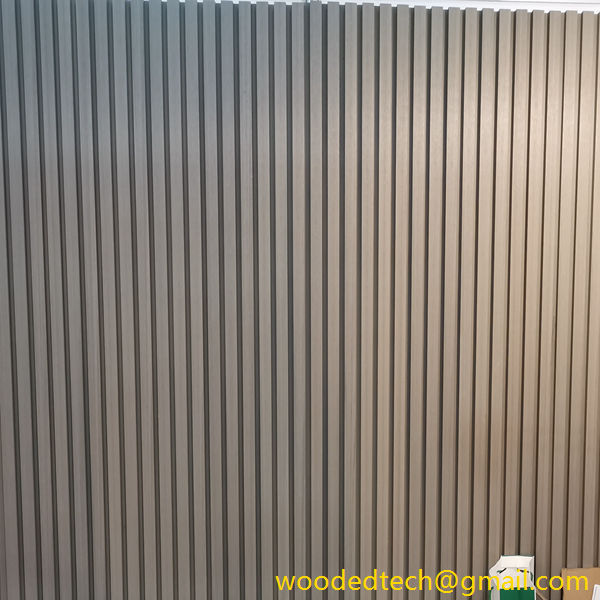
Additionally, many manufacturers of recycled plastic decking provide a selection of colours and textures, enabling designers to achieve a bespoke look tailored to the specific project. The incorporation of such materials can also lead to innovative structural designs, as the lightweight nature of recycled plastic allows for easier construction methods without compromising on strength.
環境考量
Incorporating recycled plastic decking into outdoor designs is not just a practical choice; it is also an environmentally conscious decision. The production of recycled plastic decking utilises materials that would otherwise contribute to landfill waste. By opting for this sustainable alternative, architects and landscape designers play a vital role in promoting a circular economy. This aligns with the increasing demand from clients for eco-friendly solutions that reflect their values and commitment to sustainability.

Moreover, the carbon footprint associated with recycled plastic decking is significantly lower than that of traditional materials. Many products are manufactured using energy-efficient processes, further reducing their environmental impact. For landscape projects aimed at achieving sustainability certifications, such as BREEAM or LEED, specifying recycled plastic decking can contribute positively to meeting the necessary criteria.
Project Considerations and Material Selection
When selecting materials for a landscape project, various factors must be considered to ensure the best outcomes. The intended use of the space, expected foot traffic, and exposure to weather elements all play critical roles in material selection. Recycled plastic decking is particularly beneficial in commercial applications, such as outdoor dining areas or public parks, where durability and safety are paramount.
It is also essential to assess the aesthetic requirements of the project. The ability to customise the appearance of recycled plastic decking allows landscape designers to create harmonious outdoor environments that resonate with the architectural style of existing structures. Collaborating closely with clients to understand their vision can lead to innovative solutions that surpass their expectations.
Long-term Value and Cost Efficiency
Investing in recycled plastic decking can yield long-term financial benefits for both property owners and developers. While the initial cost may be slightly higher than that of traditional wood decking, the savings realised through reduced maintenance and extended lifespan make recycled plastic decking a cost-effective choice overall. This aspect becomes particularly appealing for commercial projects where ongoing maintenance can significantly impact operational costs.
Furthermore, the growing market for sustainable materials means that properties featuring recycled plastic decking can attract environmentally conscious buyers. As the demand for green building materials continues to rise, these properties are likely to maintain higher market values compared to those with conventional materials.