 English
  Español
  Français
  Português
  Deutsch
  Italiano
  Русский
  العربية
  简体中文
简体中文  香港中文
香港中文  한국어
한국어  日本語
日本語  Türkçe
  Nederlands
  Bahasa Indonesia
 Plastic lumber, specifically the 1 x 2 dimension, has gained significant traction in outdoor construction projects due to its versatility, durability, and eco-friendly characteristics. The production of this material involves advanced manufacturing processes that ensure it meets the demands of various applications. Understanding these processes provides insight into why plastic lumber has become a favored choice for builders, landscapers, and DIY enthusiasts alike.
The first step in the production of plastic lumber is sourcing the raw materials. Most plastic lumber is made from recycled plastics, primarily high-density polyethylene (HDPE) and polypropylene. These materials are gathered from post-consumer products, such as milk jugs, detergent bottles, and plastic bags. The recycling process begins with the collection and sorting of these plastics to ensure quality and contamination-free materials. Once sorted, the plastics are cleaned and processed into small pellets, which serve as the basic building blocks for plastic lumber.
The next crucial step is the extrusion process. The pellets are fed into an extruder, where they are heated to a specific temperature to melt them into a homogeneous mass. This molten plastic is then forced through a die that shapes it into the desired dimensions, in this case, a 1 x 2 profile. The extrusion process is highly efficient and allows for continuous production, making it an ideal method for producing long lengths of plastic lumber. Cooling systems are employed immediately after extrusion to solidify the material, ensuring it retains its shape.

Following extrusion, the plastic lumber undergoes additional treatments to enhance its properties. For instance, additives such as UV stabilizers and colorants can be mixed into the extruded material to improve weather resistance and aesthetic appeal. These additives play a vital role in ensuring the longevity of plastic lumber when exposed to harsh outdoor conditions, such as sunlight and moisture. The incorporation of these additives is carefully controlled to maintain the integrity of the material while providing the desired performance characteristics.
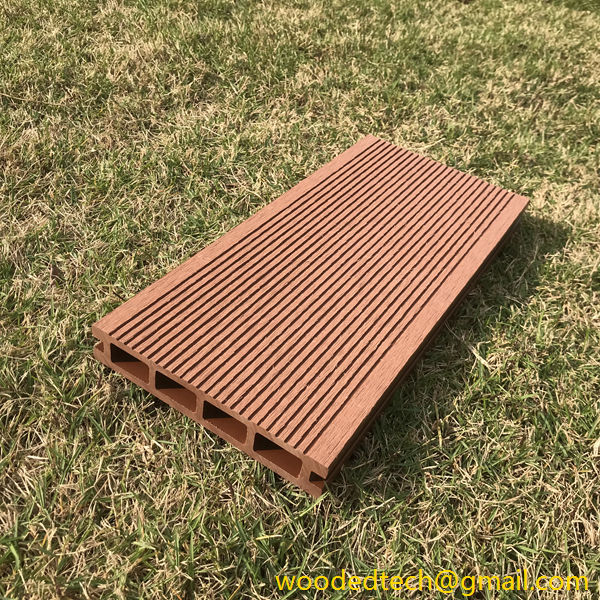
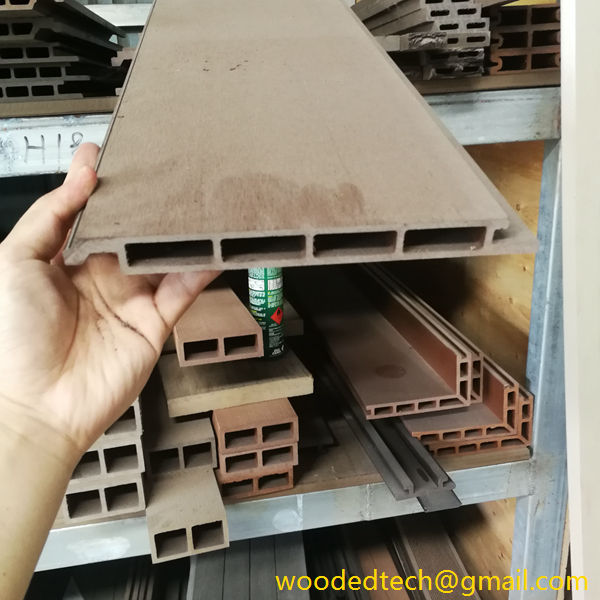
Once the plastic lumber has been extruded and treated, it is cut to size and prepared for distribution. The 1 x 2 dimensions are particularly popular due to their versatility in various applications. This size is ideal for constructing frames, decking, fencing, and other outdoor structures. Builders appreciate the lightweight nature of plastic lumber, which makes handling and installation much easier compared to traditional wood. Additionally, plastic lumber does not splinter or warp, ensuring a safer and more reliable option for outdoor projects.
One of the most significant advantages of plastic lumber is its sustainability. The use of recycled materials not only reduces waste but also conserves natural resources. Unlike traditional lumber, which requires the cutting down of trees, plastic lumber provides an alternative that minimizes environmental impact. This aspect appeals to environmentally conscious consumers and builders, making plastic lumber an attractive choice for eco-friendly construction.
Furthermore, plastic lumber has a low maintenance requirement. It does not require painting, sealing, or staining, which are often necessary for traditional wood products to protect against decay and insect damage. Instead, it can be easily cleaned with soap and water, maintaining its appearance over time. This low maintenance aspect contributes to the overall cost-effectiveness of using plastic lumber in outdoor construction projects.

Another important consideration is the safety of plastic lumber. Unlike treated wood, which can contain harmful chemicals, plastic lumber is free from toxic substances, making it a safer option for families and pets. Its non-porous surface also resists mold and mildew, contributing to healthier outdoor environments.
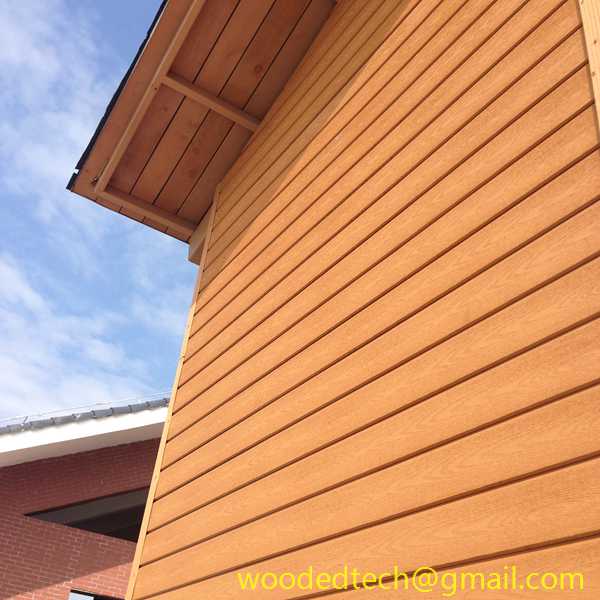
The versatility of 1 x 2 plastic lumber makes it an excellent choice for a wide range of outdoor construction projects. From garden beds and raised planters to outdoor furniture and playground equipment, its applications are virtually limitless. Builders can utilize it in various designs and configurations, allowing for creativity and innovation in outdoor spaces.
As the demand for sustainable and efficient building materials continues to rise, the production of plastic lumber is likely to expand. Innovations in manufacturing techniques and material formulations will further enhance its properties, making it an even more appealing choice for future construction projects. The combination of durability, low maintenance, and environmental benefits positions 1 x 2 plastic lumber as a leading option for versatile outdoor construction, reflecting a shift towards more sustainable practices in the industry.