 English
  Español
  Français
  Português
  Deutsch
  Italiano
  Русский
  العربية
  简体中文
简体中文  香港中文
香港中文  한국어
한국어  日本語
日本語  Türkçe
  Nederlands
  Bahasa Indonesia
 The Rise of Classy Plastic Lumber in Outdoor Construction
In recent years, the construction industry has witnessed a noticeable shift towards sustainable materials, particularly for outdoor structures. Classy plastic lumber, often referred to as wood-plastic composite (WPC), stands out as an innovative solution for builders and designers alike. This material combines the aesthetic appeal of traditional wood with the durability and low maintenance of synthetic alternatives, making it a preferred choice for modern outdoor applications.
Environmental Benefits of Classy Plastic Lumber
One of the primary reasons for the growing popularity of WPC is its environmentally friendly nature. Classy plastic lumber is composed of recycled materials, including post-consumer plastics and reclaimed wood fibres. By utilising these recycled components, the production of WPC significantly reduces the demand for virgin timber, thereby conserving natural resources. This contributes to a decrease in deforestation and helps protect ecosystems, which is particularly crucial in areas where wood is sourced unsustainably.
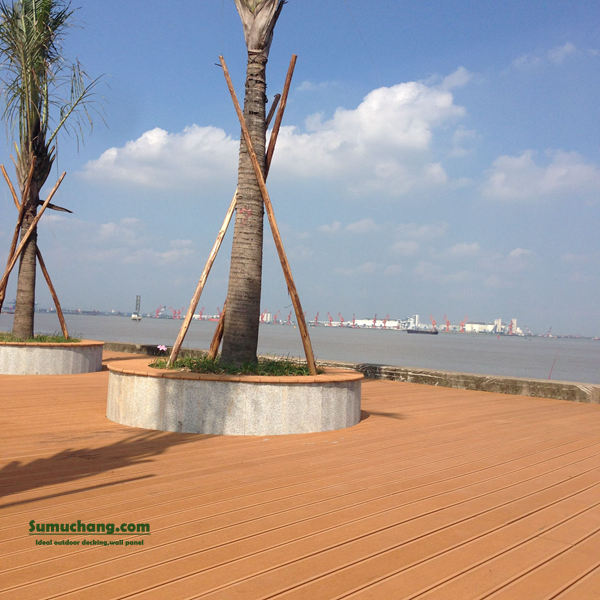
Moreover, the production process of WPC generates less waste compared to traditional lumber manufacturing. As a result, using classy plastic lumber not only promotes recycling but also helps minimise landfill contributions. This sustainable approach aligns with global initiatives aimed at reducing plastic waste and fostering a circular economy.
Durability and Longevity
One of the most compelling advantages of classy plastic lumber is its exceptional durability. Unlike traditional wood, which is susceptible to rotting, warping, and insect infestations, WPC boasts a longer lifespan with minimal deterioration. This resilience makes it an ideal material for outdoor structures that must withstand various weather conditions, from harsh sunlight to heavy rainfall.
Additionally, classy plastic lumber is resistant to fading, splintering, and staining, ensuring that outdoor furnishings retain their visual appeal over time. This long-lasting quality translates into significant cost savings for both homeowners and businesses. With less need for frequent repairs or replacements, WPC offers an economical solution that does not compromise on style or functionality.
Low Maintenance Requirements
The maintenance demands of outdoor structures can often deter property owners from opting for traditional wood. However, classy plastic lumber provides a low-maintenance alternative that is particularly appealing. Unlike wooden surfaces that require regular sealing, staining, or painting, WPC only needs occasional cleaning to maintain its appearance. A simple wash with soap and water is usually sufficient to remove dirt and debris, making it an attractive option for busy homeowners.
This minimal upkeep not only saves time and effort but also contributes to environmental sustainability. By reducing the need for chemical treatments often associated with wood preservation, classy plastic lumber enhances outdoor spaces without compromising environmental health. This aspect is vital for those looking to create green spaces that are both beautiful and eco-friendly.
Versatile Applications in Outdoor Design
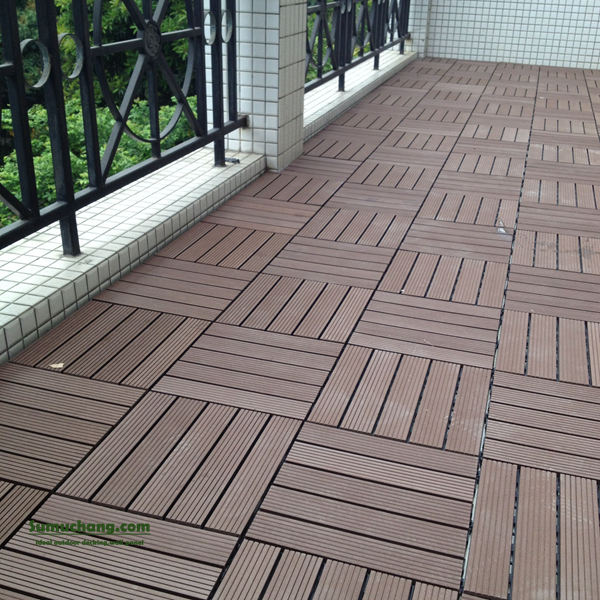
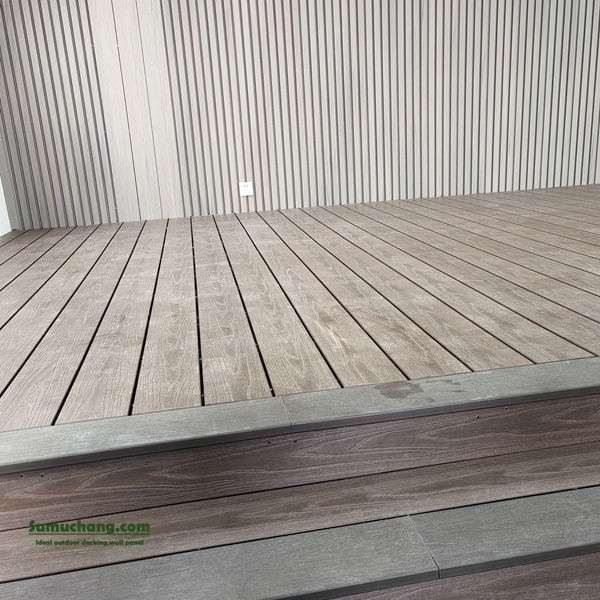
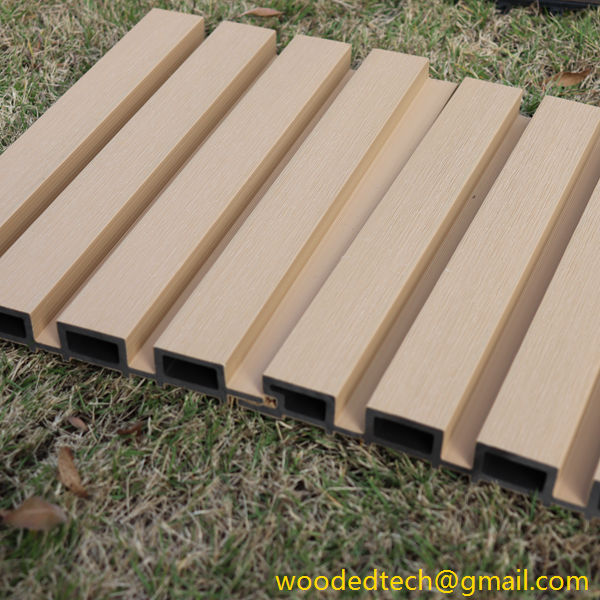
The versatility of classy plastic lumber makes it an excellent choice for a variety of outdoor applications, from decking and fencing to furniture and landscaping elements. Its aesthetic flexibility allows for a range of design possibilities, enabling architects and outdoor product designers to create stunning structures that blend seamlessly with their surroundings.
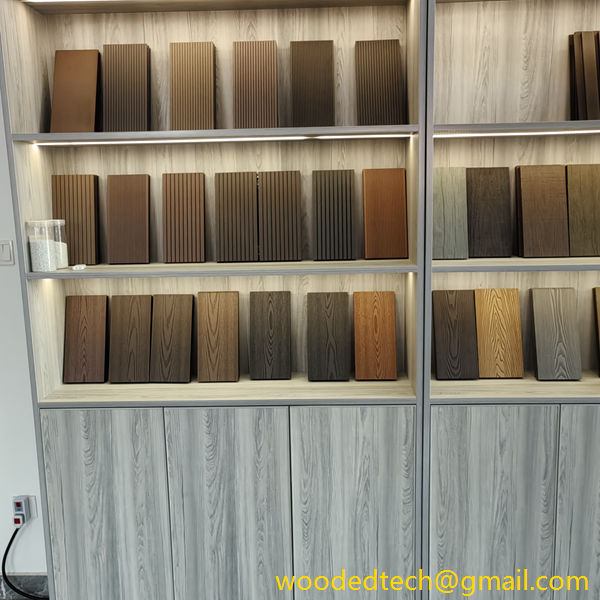
Furthermore, WPC can mimic the look and feel of natural wood while offering a broader spectrum of colours and finishes. This adaptability ensures that classy plastic lumber can cater to diverse architectural styles, whether for residential gardens, commercial outdoor spaces, or public parks. As a result, property developers and landscape engineering consultants increasingly advocate for WPC as a sustainable alternative in their designs.

The Economic Edge of Classy Plastic Lumber
Beyond its environmental and aesthetic benefits, classy plastic lumber is also economically advantageous. The initial investment in WPC may be higher than that of traditional wood; however, the long-term savings associated with lower maintenance and replacement costs can offset this expense. As the demand for sustainable materials rises, many manufacturers are also reducing production costs, making classy plastic lumber a more accessible option for builders and homeowners alike.
Moreover, the growing popularity of WPC has led to advancements in technology and manufacturing processes. As a result, the quality and performance of classy plastic lumber continue to improve, further enhancing its competitiveness in the market. This trend is likely to encourage even broader adoption among builders, architects, and homeowners looking for sustainable yet stylish outdoor solutions.