 English
  Español
  Français
  Português
  Deutsch
  Italiano
  Русский
  العربية
  简体中文
简体中文  香港中文
香港中文  한국어
한국어  日本語
日本語  Türkçe
  Nederlands
  Bahasa Indonesia
 Enhancing Garden Designs with WPC Outdoor Materials
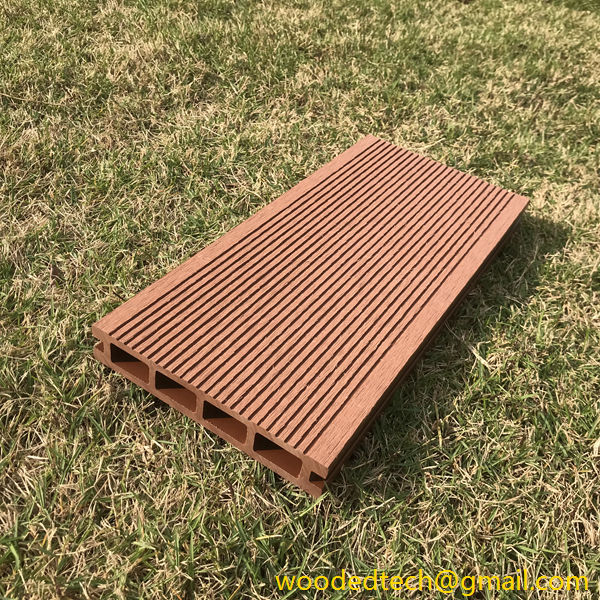
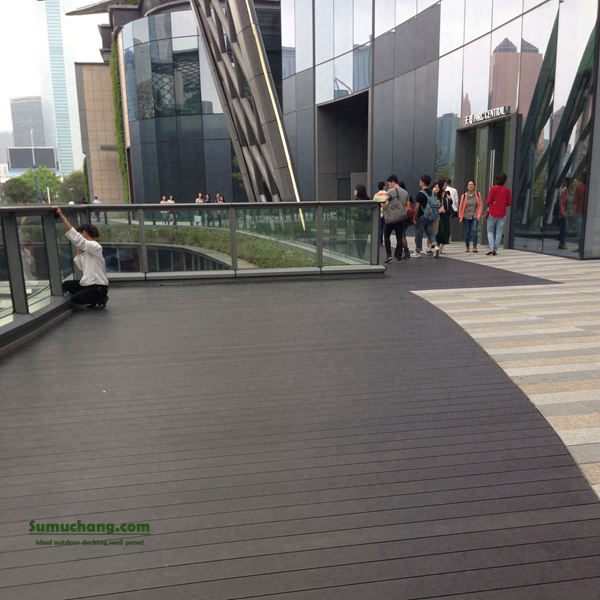
WPC outdoor materials have revolutionised the way we approach garden and landscape designs, offering a harmonious blend of aesthetics and functionality. When compared to traditional materials such as natural wood, timber, and aluminium, WPC presents a modern alternative that enhances outdoor spaces. Its unique composition, combining wood fibres with plastic, results in a product that is not only visually appealing but also highly durable, making it an excellent choice for gardens that endure the elements.
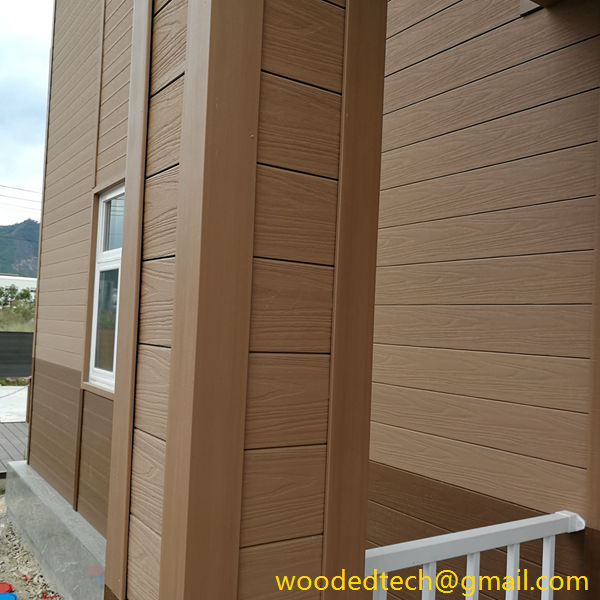
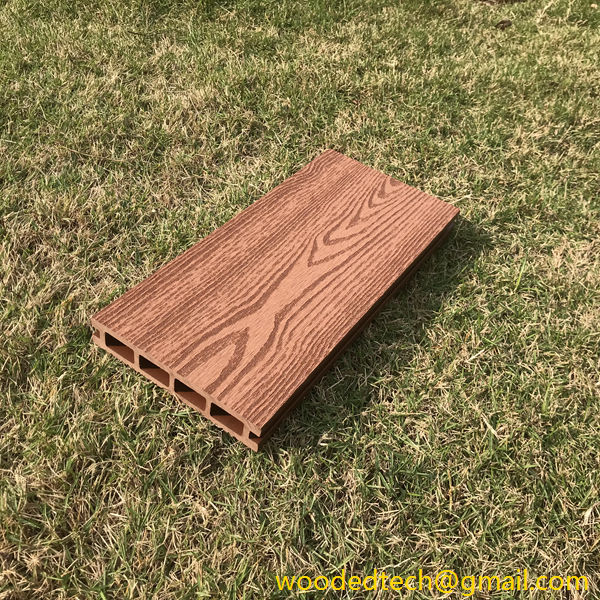
Natural wood, while beloved for its traditional charm, faces significant challenges in outdoor settings. It is susceptible to rot, warping, and insect damage, which can compromise its beauty and integrity over time. Conversely, WPC outdoor materials resist these issues, providing a stable and long-lasting solution that requires minimal intervention. The aesthetic versatility of WPC allows it to mimic the look of wood while offering greater resilience, making it a preferred choice among landscape designers aiming for contemporary elegance.
Comparing Lifecycles: WPC vs. Other Materials
The lifecycle costs associated with WPC outdoor materials stand in stark contrast to those of traditional timber and aluminium. Natural wood may initially be less expensive, but the ongoing maintenance costs , including staining, sealing, and treatments to protect against decay and pests , can accumulate significantly over the years. WPC, on the other hand, typically requires little more than periodic cleaning to maintain its appearance. This reduced maintenance translates into long-term savings, making WPC a cost-effective investment for homeowners and landscape architects alike.
Aluminium, while durable and often chosen for its sleek, modern appearance, does not provide the same warmth or natural feel as WPC. Moreover, aluminium can become hot to the touch under direct sunlight, presenting a discomforting experience in garden settings. WPC outdoor materials maintain a more moderate temperature, allowing for pleasant interactions in outdoor spaces, which is especially important for areas designed for relaxation and leisure.
Maintenance Requirements of WPC Outdoor Materials
Maintenance is a critical consideration for any outdoor material, and WPC outdoor products shine in this regard. Unlike natural wood that demands regular upkeep to stave off deterioration, WPC can be washed with soap and water to keep it looking new. This ease of maintenance appeals to both homeowners and landscape professionals who seek durable materials that do not compromise on aesthetics. The non-porous surface of WPC also prevents moisture absorption, reducing the risk of mould and mildew, which are common issues with traditional timber.
In addition, WPC’s resistance to fading from UV exposure ensures that colours remain vibrant over time, contributing to the long-lasting beauty of garden designs. This advantage is particularly relevant in locations with intense sunlight, where traditional materials often struggle to maintain their appearance.
Environmental Impact and Sustainability

The production process of WPC is also less harmful, with reduced emissions compared to that of traditional materials. Furthermore, WPC products can be recycled at the end of their lifespan, further mitigating their environmental footprint. This makes WPC not just a practical solution, but a responsible one for contemporary landscape design.
As the demand for innovative and sustainable building materials continues to grow, WPC outdoor products are poised to reshape the future of garden and landscape design. Their ability to combine the best attributes of natural wood with enhanced durability and reduced maintenance requirements positions them as a leading choice for architects and designers. With a focus on aesthetics, performance, and environmental responsibility, WPC is not merely a substitute for traditional materials; it is a progressive advancement that meets the needs of modern outdoor spaces.