 English
  Español
  Français
  Português
  Deutsch
  Italiano
  Русский
  العربية
  简体中文
简体中文  香港中文
香港中文  한국어
한국어  日本語
日本語  Türkçe
  Nederlands
  Bahasa Indonesia
 Can You Safely Install a Pergola on a Composite Deck?
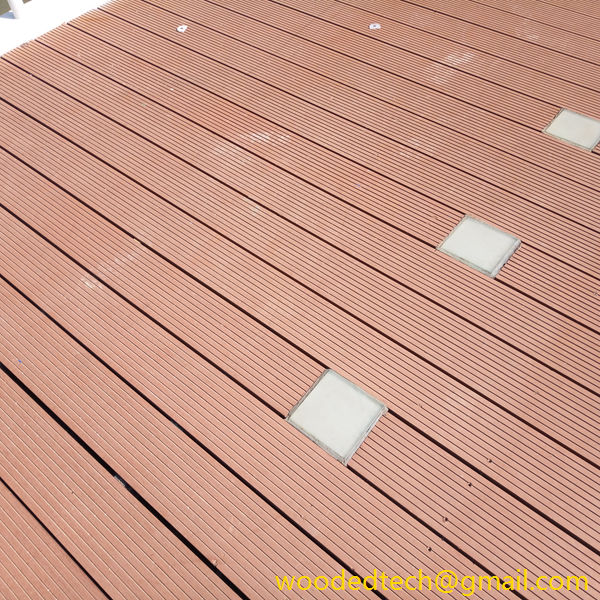
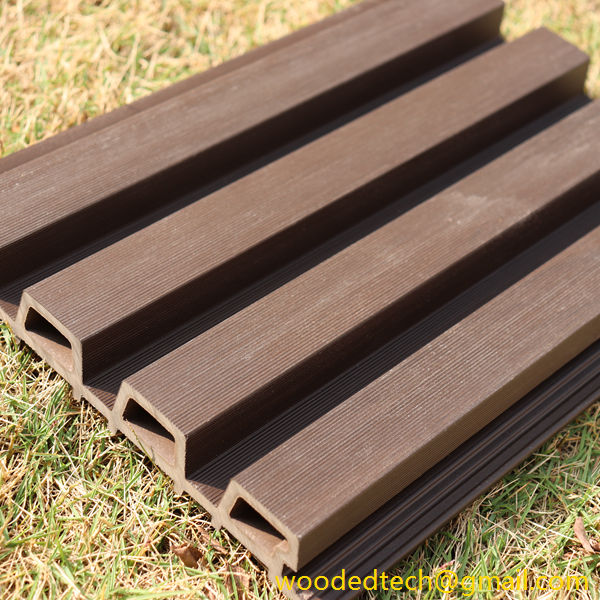
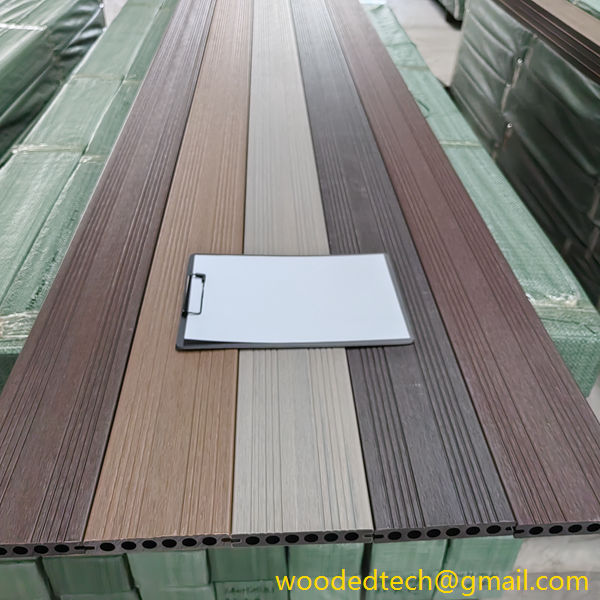
Many homeowners seek to enhance their outdoor living spaces, and installing a pergola on a composite deck is an increasingly popular choice. Composite decking, made from a blend of wood fibres and plastic, offers a durable and low-maintenance alternative to traditional timber. When considering whether you can put a pergola on a composite deck safely and securely, it is crucial to evaluate several factors, including the structural integrity of the deck, the type of pergola you wish to install, and the specific materials used in the deck’s construction.
Composite materials are engineered to withstand the elements, making them suitable for outdoor structures. However, it is essential to consult with a structural engineer or a qualified installer to ensure that your composite deck can bear the additional load of a pergola. The deck’s framing and support system will dictate whether it can accommodate the weight of the pergola, especially if it is a larger or heavier design.
Comparing Composite Decking with Natural Wood
When evaluating materials for outdoor structures, natural wood has long been synonymous with beauty and longevity. However, it often requires significant maintenance, including sealing, staining, and treating for pests. On the other hand, composite decking is designed to resist fading, scratching, and mould growth. This difference in upkeep is particularly important when considering a pergola installation, as the long-term maintenance of a wooden deck can become burdensome over time.
Another consideration is the lifecycle costs associated with both materials. While natural wood may have a lower upfront cost, the ongoing expenses related to maintenance can accumulate significantly. Composite decking, while potentially more expensive initially, often provides better long-term value due to its resilience and minimal upkeep requirements. Homeowners are increasingly recognising that the investment in composite materials can lead to cost savings over time, especially when installing structures like pergolas.

Traditional Timber vs. Composite Decking
While traditional timber decking is aesthetically pleasing, it often falls short in terms of durability. Timber is prone to warping, splintering, and insect damage, which can pose risks when constructing heavy structures like a pergola. In contrast, composite decking is engineered to resist these issues, making it a safer choice in many circumstances.
Moreover, composite materials can be designed to mimic the appearance of natural wood without the associated drawbacks. This aspect allows homeowners to enjoy the visual appeal of wood while benefiting from the durability and low maintenance of composite materials. When evaluating whether to put a pergola on a composite deck, the durability and stability of the decking can provide peace of mind that is often not achievable with traditional wood.

Alternative Materials: Aluminium and Others
In addition to composite and traditional wood materials, aluminium has emerged as another viable option for outdoor structures, including pergolas. Aluminium is lightweight, resistant to rust, and requires minimal maintenance. However, some may find that it lacks the warmth and natural beauty of wood or composite decking.
When planning to install a pergola, it is essential to consider how well your chosen materials will integrate with one another. For example, a pergola made from aluminium may not visually complement a wooden deck as well as one made from composite materials. Thus, while aluminium offers practical benefits, the aesthetic harmony of your outdoor space should not be overlooked.
Load-Bearing Considerations for Composite Decks
The structural integrity of your composite deck is paramount when installing a pergola. Composite decking is often designed to handle considerable weight, but the specific load-bearing capacity can vary based on factors such as board thickness and the underlying support structure. It is advisable to check with the manufacturer’s guidelines for load limits and consult a structural engineer if in doubt.
Furthermore, the design of the pergola itself plays a critical role in ensuring safety and stability. Lighter, more open designs may exert less pressure on the decking than heavier structures, reducing the risk of damage. Homeowners may also consider incorporating additional support, such as footings or posts anchored to the ground, which can help distribute the weight more evenly and take some of the stress off the composite deck.
Maintenance and Lifespan of Composite Decks with Pergolas
When you contemplate adding a pergola to your composite deck, it is essential to consider the maintenance and expected lifespan of both components. Composite decking typically enjoys a longer lifespan than traditional wood, often lasting up to 25 years or more with minimal care. This longevity can be advantageous when coupled with a pergola, as both elements can be designed to coexist harmoniously within the same outdoor environment.
Regular maintenance for composite decks usually involves simple cleaning to avoid debris buildup, unlike wood decks that may require staining or sealing every few years. This reduced maintenance burden allows homeowners more time to enjoy their outdoor spaces rather than spend it on upkeep. Ultimately, when you assess whether you can put a pergola on a composite deck, the compatibility of maintenance requirements and longevity makes composite an appealing choice.