 English
  Español
  Français
  Português
  Deutsch
  Italiano
  Русский
  العربية
  简体中文
简体中文  香港中文
香港中文  한국어
한국어  日本語
日本語  Türkçe
  Nederlands
  Bahasa Indonesia
 Cost Factors of Composite Wood Decking
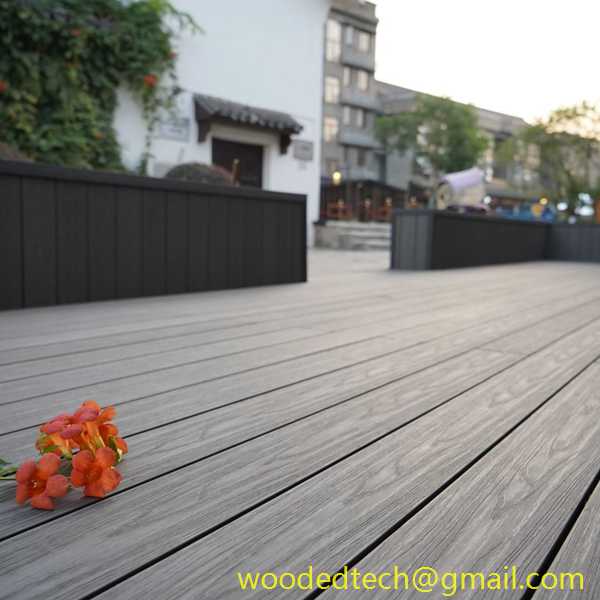
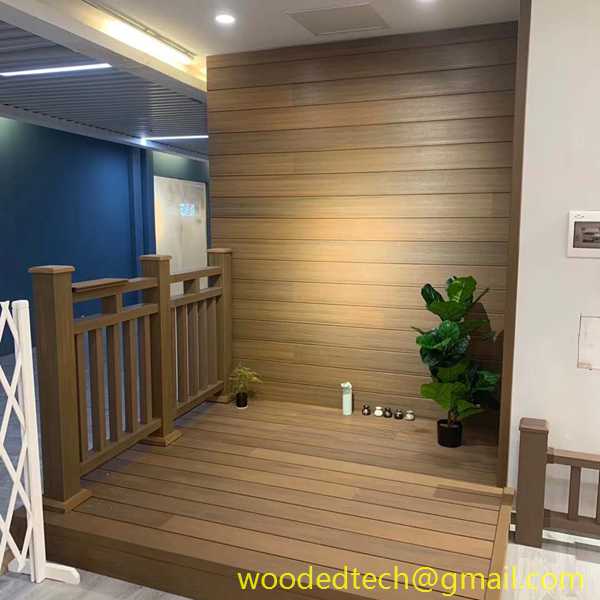
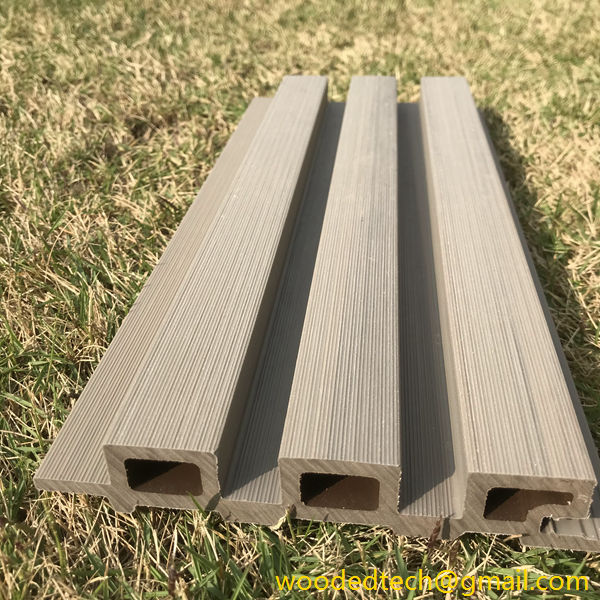
Composite wood decking has gained immense popularity in the outdoor construction market due to its durability, aesthetic appeal, and low maintenance requirements. However, calculating the composite wood decking price per square foot is not a straightforward task, as various factors come into play. The quality of raw materials used in production significantly impacts pricing. Higher-grade materials will yield a superior product that can withstand the elements and wear over time, but they come at a premium cost. Additionally, the manufacturing techniques employed can vary, and those that incorporate advanced technology may lead to higher expenses in production, which are ultimately reflected in the price.
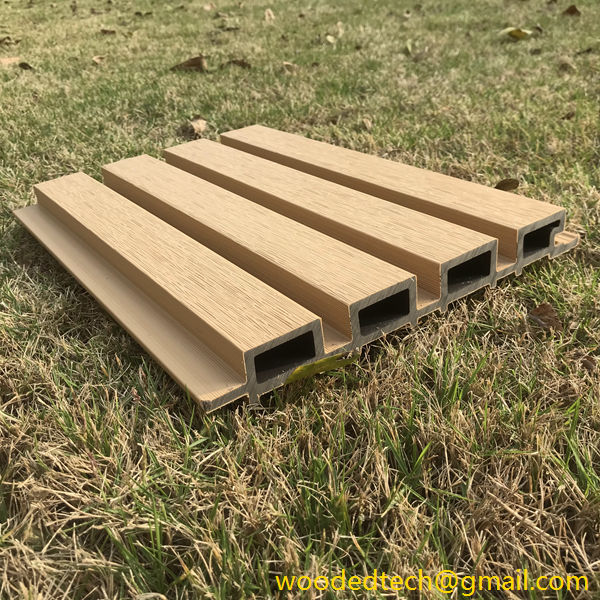
Another essential aspect to consider is design complexity. Customised designs or specific colour finishes can increase costs, as they often require more resources and time to produce. As a foreign trade export specialist, it’s vital to educate clients on these variables, ensuring they understand that the final price is influenced by both product specifications and desired features.
International Purchasing Process
The international purchasing process for composite wood decking is multifaceted, starting with obtaining a quotation. Potential buyers should request detailed quotes from suppliers, specifying their required quantities, design preferences, and any certifications or standards they need the product to meet. Suppliers then calculate the price per square foot, taking into account the production costs as well as shipping logistics. This quote serves as the foundation for negotiations and final pricing agreements.
Once a quote is accepted, the next step is sample approval. Clients should always request samples of the composite decking to evaluate quality and appearance before committing to a larger order. This phase is crucial as it allows for any necessary adjustments to the order based on the client’s feedback. After receiving and approving the samples, a formal purchase order can be issued, thus moving the process forward.
Packaging and Container Loading
Effective packaging plays a significant role in ensuring that composite wood decking arrives at its destination unscathed. Suppliers must use high-quality materials for packaging to protect the decking from moisture, physical damage, and environmental factors during transit. As part of the export process, the supplier should provide detailed packaging information, including dimensions and weight, which are essential for shipping arrangements.
Container loading is another critical step that requires attention. The decking must be loaded into shipping containers in a manner that maximises space while ensuring stability during transit. This may involve stacking the decking in a specific orientation to prevent warping or damage. Proper documentation, including loading lists and bill of lading, must also be prepared at this stage to facilitate customs clearance upon arrival in the destination country.
Shipping Documentation
Shipping documents are essential for the international export of composite wood decking. These documents include the commercial invoice, packing list, bill of lading, and any necessary certificates of origin or compliance. The commercial invoice specifies the value of the goods and serves as a key document for customs authorities. A detailed packing list is crucial for verifying that all ordered items are included in the shipment.
Certificates of origin may be required to indicate where the materials were sourced, which can affect import duties and compliance with local regulations. Suppliers must ensure that all paperwork is accurate and complete to avoid delays at customs. Understanding the shipping requirements of the destination country will also aid in smoother transactions and establish trust with international clients.
Cooperation with Overseas Distributors
Building strong relationships with overseas distributors can significantly enhance the success of exporting composite wood decking. Distributors often have a better grasp of local market dynamics and customer preferences, enabling them to offer insights that can inform product offerings. As a foreign trade export specialist, facilitating communication between manufacturers and distributors is essential in developing tailored marketing strategies that resonate with the target audience.
Cooperating with distributors also means ensuring they have adequate training and support regarding product specifications, benefits, and installation procedures. This knowledge empowers them to effectively promote composite decking, ultimately driving sales and expanding market share. Regular follow-ups and updates on new product lines or innovations are also essential in maintaining a competitive edge in the ever-evolving decking market.
Final Steps in the Export Process
Once the composite wood decking has been shipped and received by the distributor or client, after-sales service becomes critical. Open lines of communication with the client can help address any concerns regarding installation or product performance. Offering warranty options or customer support can enhance satisfaction and loyalty, paving the way for repeat business.
Furthermore, gathering feedback on the product’s performance and the purchasing experience can provide valuable insights that inform future production and export strategies. Staying attuned to market trends and customer needs ensures that the composite wood decking remains a desirable choice in outdoor construction, ultimately influencing the price per square foot and the overall success of the product in the international market.