 English
  Español
  Français
  Português
  Deutsch
  Italiano
  Русский
  العربية
  简体中文
简体中文  香港中文
香港中文  한국어
한국어  日本語
日本語  Türkçe
  Nederlands
  Bahasa Indonesia
 Exterior Waterproof Flooring Options
When it comes to selecting the best exterior waterproof flooring for outdoor spaces, the choice can be overwhelming. Many factors merit consideration, including durability, maintenance, and environmental impact. Among these options, wood-plastic composites (WPC) have surfaced as a leading material due to their unique blend of performance and sustainability attributes. Outdoor WPC flooring combines recycled materials with innovative engineering to provide a long-lasting solution that enhances any exterior area.
Environmental Advantages of Outdoor WPC Flooring
One of the most significant benefits of outdoor WPC flooring is its environmentally friendly composition. WPC is often manufactured using a combination of recycled wood fibres and plastic. This not only reduces the demand for virgin materials but also minimises waste by utilising materials that would otherwise end up in landfills. By repurposing these materials, manufacturers contribute to a circular economy that prioritises sustainability without sacrificing quality.
Additionally, WPC flooring significantly reduces overall wood consumption compared to traditional hardwood options. This is particularly important in today’s world, where deforestation poses a pressing threat to biodiversity and climate stability. By choosing WPC, consumers are making a conscious decision to support more sustainable forestry practices and help preserve natural habitats.
Durability and Weather Resistance
Outdoor flooring must withstand various environmental conditions, such as rain, snow, and UV radiation. WPC excels in this area due to its inherent durability. The composite material is designed to resist moisture, making it an ideal choice for wet environments. Unlike traditional wood, WPC does not warp, splinter, or decay when exposed to water, ensuring a longer lifespan for outdoor installations.
Moreover, the advanced formulation of WPC provides excellent resistance against fading and discolouration due to sun exposure. Homeowners can trust that their outdoor flooring will maintain its vibrant appearance over time, making it not only a practical choice but an aesthetically pleasing one as well.
Low Maintenance Requirements
Maintaining exterior flooring can often be a laborious task, especially with traditional wood decking that requires regular sealing, staining, and cleaning. WPC flooring, on the other hand, offers a low-maintenance alternative that saves both time and effort. Its smooth surface does not require sanding or painting, allowing for easy upkeep.
Routine cleaning typically involves simple sweeping or hosing off dirt and debris. This convenience appeals to busy homeowners or commercial property managers seeking to reduce maintenance costs and time spent on exterior upkeep. As a result, WPC has become an increasingly popular choice for those looking to enjoy their outdoor spaces without the burden of extensive maintenance.
Design Versatility and Customisation
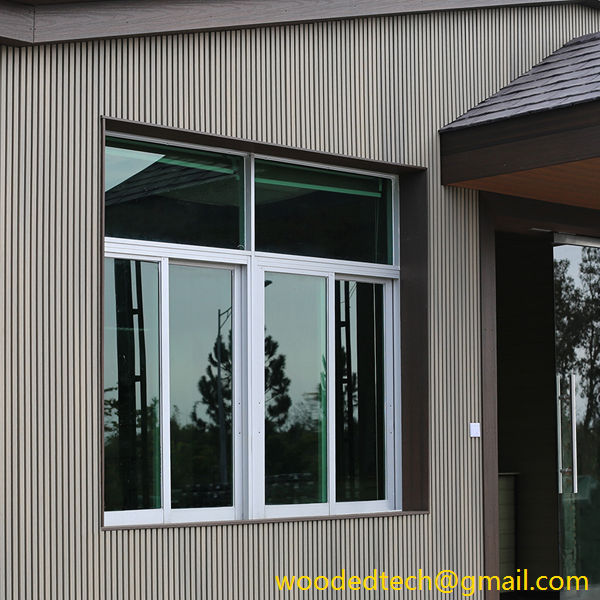
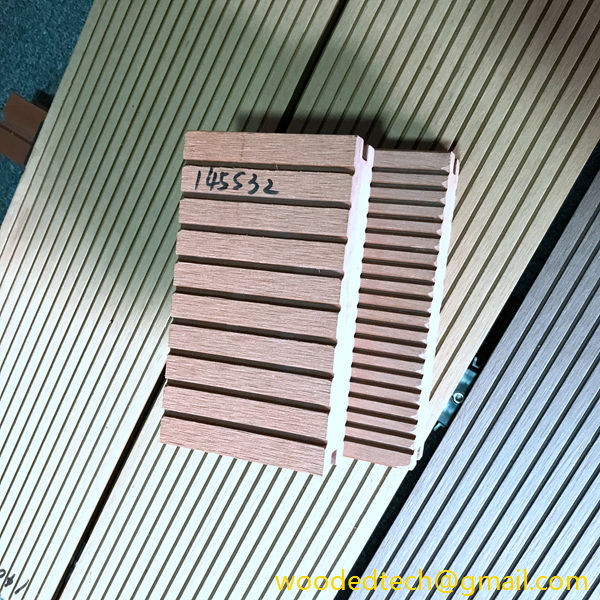
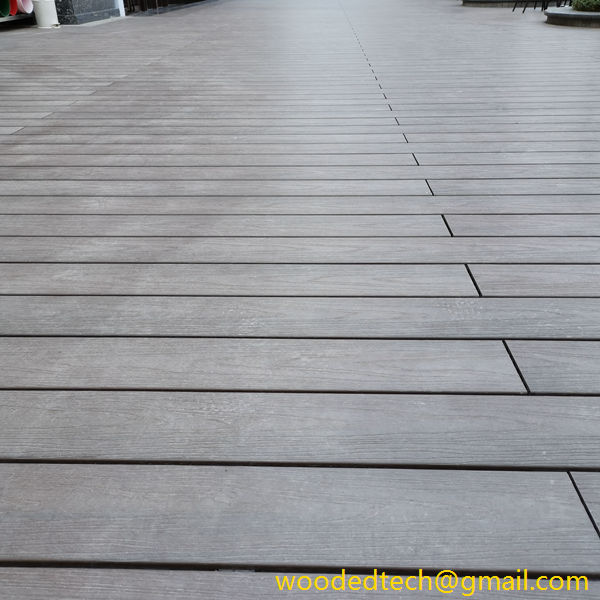
Another attractive aspect of outdoor WPC flooring is its design versatility. Available in a wide range of colours, textures, and finishes, WPC can easily complement various architectural styles and personal preferences. Whether it’s a rustic cabin or a modern patio, WPC provides options that enhance the overall aesthetic of any outdoor space.
Additionally, many manufacturers offer customisation options, allowing designers and architects to create bespoke solutions tailored to specific project needs. This flexibility can be particularly advantageous for commercial applications, where branding and visual appeal are crucial. By integrating outdoor WPC flooring into their projects, professionals can align with sustainable practices while still achieving a unique and personalised design.

Cost-Effectiveness in the Long Run
While the initial investment in outdoor WPC flooring may be higher than traditional wood options, its long-term cost-effectiveness cannot be overlooked. The durability and low-maintenance nature of WPC lead to savings on repairs, replacements, and upkeep over time. In contrast, traditional wood often incurs additional costs for ongoing maintenance and potential replacements due to wear and tear.
Moreover, the extended lifespan of WPC flooring translates to a better return on investment. Property owners can enjoy the aesthetic and functional benefits of their outdoor spaces for years without the need for costly renovations. This aspect makes outdoor WPC an economically sensible choice for both residential and commercial applications.
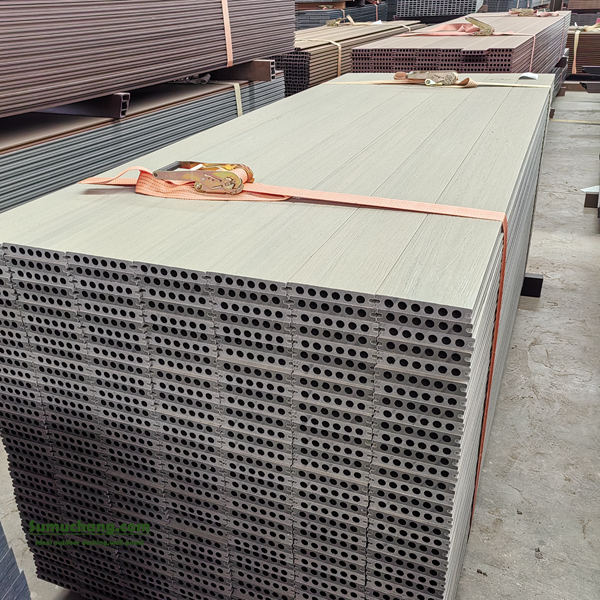
Choosing the right exterior waterproof flooring is crucial for any outdoor project. With its sustainable composition, durability, low-maintenance requirements, design versatility, and long-term cost-effectiveness, outdoor WPC flooring stands out as an exceptional option. It not only addresses functional needs but also aligns with environmentally responsible choices. As more homeowners and architects embrace sustainable building materials, outdoor WPC flooring is likely to continue gaining traction as a leader in the market, marrying aesthetics with environmental stewardship.