 English
  Español
  Français
  Português
  Deutsch
  Italiano
  Русский
  العربية
  简体中文
简体中文  香港中文
香港中文  한국어
한국어  日本語
日本語  Türkçe
  Nederlands
  Bahasa Indonesia
 What is Wood Plastic Composite?
Wood plastic composite (WPC) is an innovative material that merges the natural aesthetic of wood with the durability of plastics. This combination offers a unique solution for various outdoor applications, leading to a range of products that are both functional and visually appealing. WPC is made from a mixture of wood fibres and thermoplastics, providing a versatile material that retains the charm of traditional wood while boasting enhanced resistance to moisture, insects, and decay.
The appeal of WPC lies in its ability to serve various purposes, making it an ideal choice for outdoor environments. The material is not only strong and lightweight but also environmentally friendly, as it often incorporates recycled wood and plastics. With these properties, wood plastic composite has found its way into numerous applications, transforming outdoor spaces into stunning and practical areas.
Residential Gardens and Outdoor Spaces
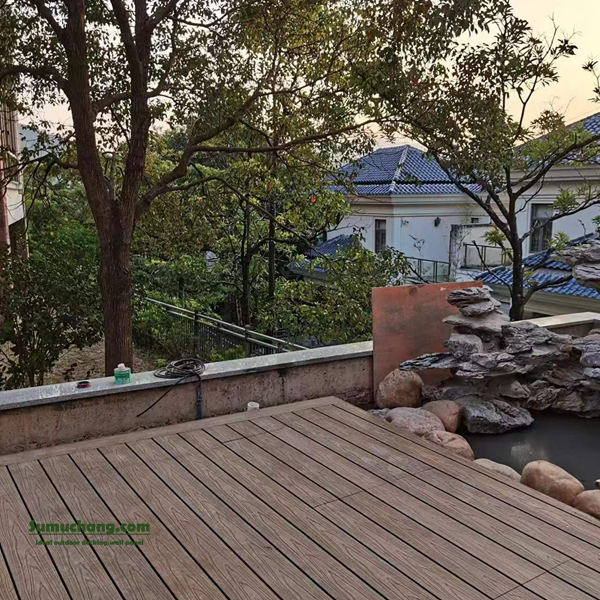
In residential gardens, WPC can be utilised for decking, fencing, and even garden furniture. The natural wood-like appearance enhances the beauty of outdoor spaces while providing a long-lasting solution that requires minimal upkeep. WPC decking is particularly beneficial, as it can withstand the challenges posed by the elements, including rain, sun exposure, and temperature fluctuations. Its slip-resistant surface makes it a safe choice for families with children and pets, allowing for enjoyable outdoor gatherings without the worry of accidents.
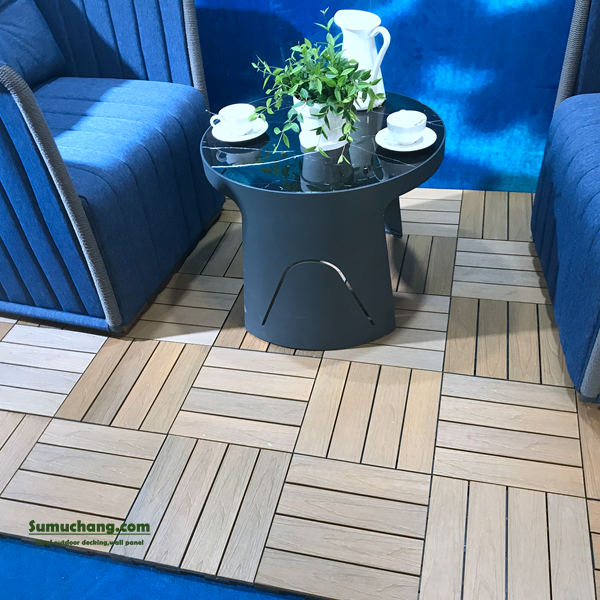
Moreover, garden furniture made from wood plastic composite is increasingly popular, as it combines style with durability. Whether it is benches, tables, or loungers, WPC furniture withstands the rigours of outdoor living, making it an excellent investment for any home.
Commercial Landscapes and Public Facilities
Wood plastic composite is gaining traction in commercial landscapes, especially in hotels and parks. The aesthetics of WPC can be tailored to complement various architectural styles, making it an attractive option for outdoor dining areas, walkways, and recreational spaces. Hotels can benefit from using WPC in their pool areas, as the material remains cool underfoot and is resistant to mould and mildew, enhancing guest comfort.
In public facilities, such as parks and community centres, WPC can be employed in benches, picnic tables, and fencing. Its resistance to deterioration makes it a wise choice for high-traffic areas. Additionally, WPC is easy to maintain, ensuring that public spaces remain clean and inviting without frequent repairs or replacements.
Balconies and Swimming Pool Areas
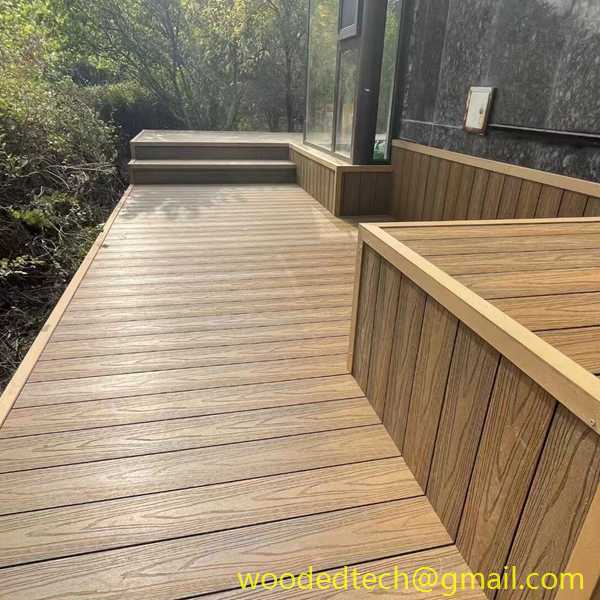
Balconies provide an opportunity to create a personal oasis, and wood plastic composite is an outstanding choice for these spaces. WPC decking allows homeowners to maximise their balcony’s potential, offering a durable surface that withstands the elements while providing an attractive finish. The lightweight nature of WPC makes it easy to install, and its low maintenance requirements mean that homeowners can enjoy their outdoor space without the constant need for upkeep.

Similarly, around swimming pool areas, WPC offers an ideal solution. Its slip-resistant features contribute to safety, while its resistance to water and chemicals ensures longevity. WPC can be seamlessly integrated into the pool design, providing a cohesive look that enhances the overall aesthetic of the area, making it perfect for creating inviting and luxurious outdoor spaces.
Application Suggestions for Landscape Engineering
For landscape engineers, the versatility of wood plastic composite opens numerous possibilities. It is advisable to consider the specific requirements of each space when selecting WPC products. For instance, in residential applications, colours and textures can be chosen to match the home’s design, while in commercial settings, durability and ease of maintenance should be the primary focus.

Using WPC in combination with traditional materials can also yield stunning results. For example, incorporating natural stone with WPC decking can create a striking contrast that elevates the design of any outdoor area. Furthermore, sustainable building practices encourage the use of WPC, as it is often made from recycled materials, aligning with modern environmental standards and expectations.