 English
  Español
  Français
  Português
  Deutsch
  Italiano
  Русский
  العربية
  简体中文
简体中文  香港中文
香港中文  한국어
한국어  日本語
日本語  Türkçe
  Nederlands
  Bahasa Indonesia
 The Need for Cooler Composite Decking Solutions
As the popularity of composite decking continues to rise, homeowners and contractors alike are increasingly looking for materials that remain comfortable underfoot, even during the hottest summer days. Traditional timber decking can often absorb heat, making it uncomfortably hot for bare feet. However, innovative manufacturers are addressing this concern by developing composite decking that doesn’t get hot, providing a more pleasant outdoor experience. This solution is particularly appealing to markets in warmer climates, where the heat can be unbearable during peak summer months.
Manufacturers of composite decking are now focusing on advanced materials and formulations that minimise heat retention. By incorporating specific additives and utilising unique production processes, they enhance the thermal performance of their products. This means that when you walk on the decking, it feels significantly cooler compared to traditional materials, making it a preferred choice for outdoor spaces.
Customisation in Composite Decking
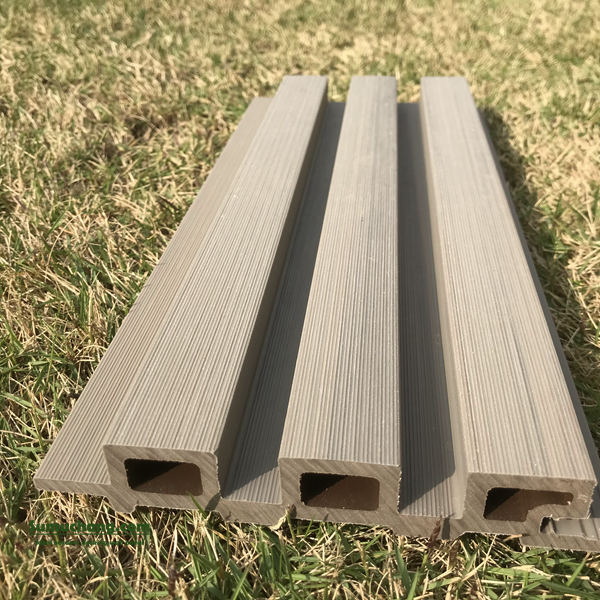
The ability to customise composite decking to meet specific client needs is a paramount consideration for manufacturers in this sector. As an OEM customisation specialist, I recognise the importance of profile dimensions and colours in ensuring that the product not only performs well but also fits seamlessly into a landscape or architectural design. Custom profiles can be designed to enhance both aesthetics and functionality, ensuring that the decking product complements the design vision of any project.
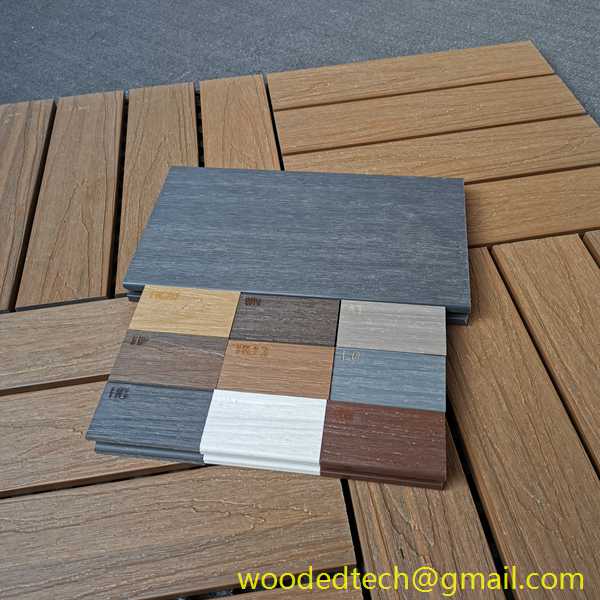
Furthermore, colour selection is vital, as it can influence the heat absorption properties of the decking. Manufacturers offer a range of colours designed to reflect heat rather than absorb it. Lighter shades tend to remain cooler than darker tones, so clients can choose options that will not only suit their style but will also help keep their outdoor spaces comfortable.
Surface Textures and Heat Retention
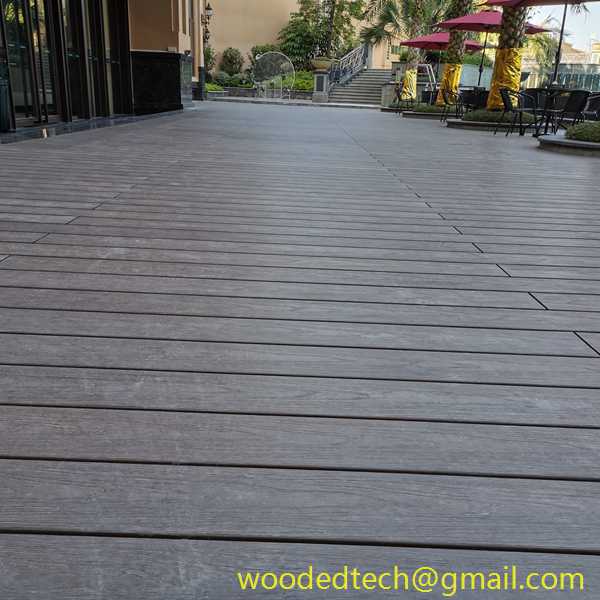
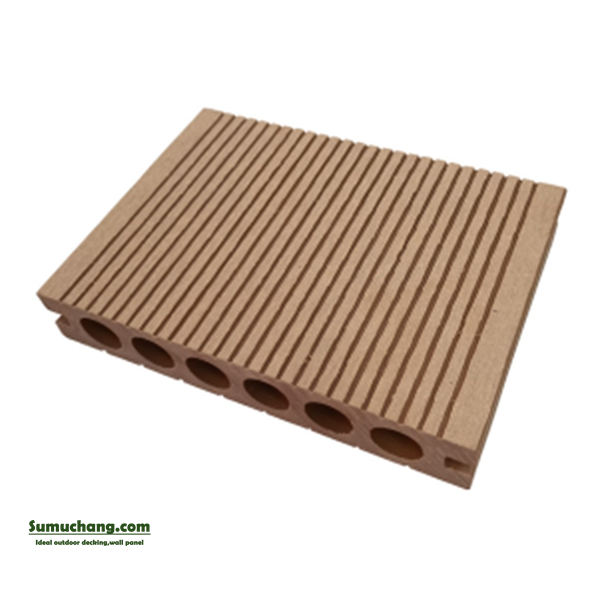
The texture of composite decking plays a significant role in how it interacts with heat. Smooth surfaces may be more prone to heat retention, while textured finishes can help to dissipate heat more effectively. This is why many manufacturers are exploring various surface treatments and textures to create products that not only look appealing but also remain cool to the touch.
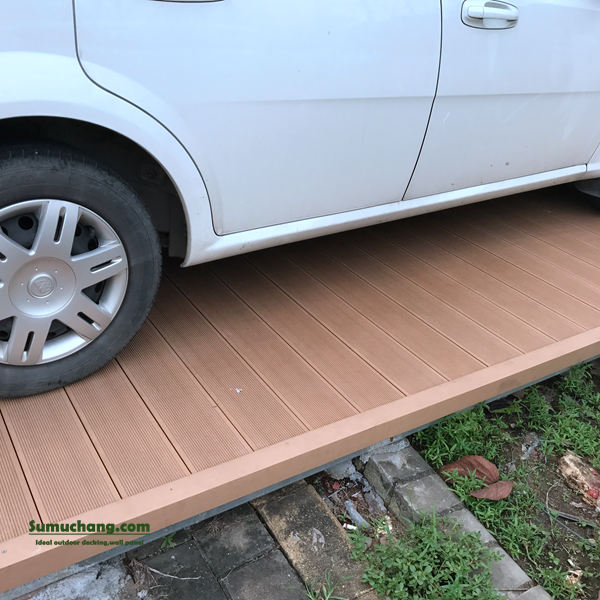
For example, innovative embossing techniques can create a wood-like texture that enhances slip resistance while simultaneously promoting airflow, which helps in cooling the surface. These design choices ensure that the decking is not only functional but also safe for families, pets, and those who enjoy strolling barefoot during the warm summer months.
Special Applications for Global Markets
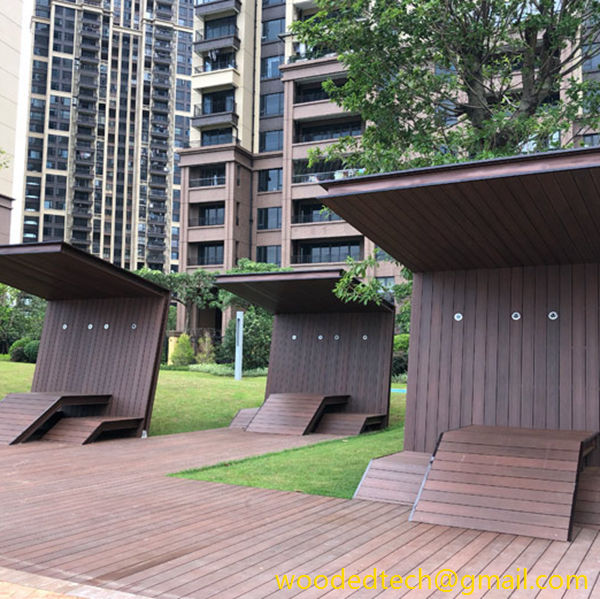
Different markets have unique requirements, and manufacturers are keen to cater to these diverse needs. For instance, coastal areas may benefit from composite decking that doesn’t get hot and is resistant to moisture and salt damage. Similarly, urban areas with high foot traffic may require decking solutions that can withstand heavy use without losing aesthetic appeal or comfort.
Manufacturers are adept at tailoring products for specific applications, like residential patios, commercial spaces, or outdoor recreational facilities. Each application presents its own challenges, and customised solutions allow for effective management of factors such as heat retention, safety, and longevity.
Packaging and Branding Solutions
Branding is equally vital, as it communicates quality and reliability to potential customers. Manufacturers often work closely with their clients to develop branding strategies that resonate with target audiences, ensuring that the final product not only meets practical needs but also aligns with marketing goals.
The Value of Partnership with WPC Manufacturers
Collaborating with a WPC factory that understands the intricacies of composite decking production can significantly enhance the success of a project. As an OEM customisation specialist, I am dedicated to helping our clients navigate the various options available, from choosing the right materials to finalising the design specifics. This partnership allows for the creation of bespoke decking solutions that meet the demands of modern consumers while also offering practical benefits such as thermal comfort.
By investing in research and development, manufacturers are continually pushing the boundaries of what is possible with composite decking. As a result, the market is seeing an influx of products engineered to provide comfort, safety, and aesthetic appeal. It is this commitment to innovation and customisation that will drive the future of outdoor living spaces.