 English
  Español
  Français
  Português
  Deutsch
  Italiano
  Русский
  العربية
  简体中文
简体中文  香港中文
香港中文  한국어
한국어  日本語
日本語  Türkçe
  Nederlands
  Bahasa Indonesia
 Selecting the Right Wood Deck Plastic Fence
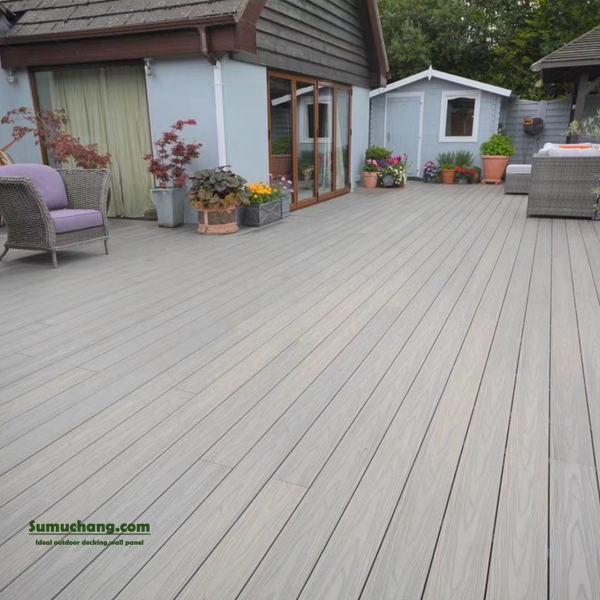
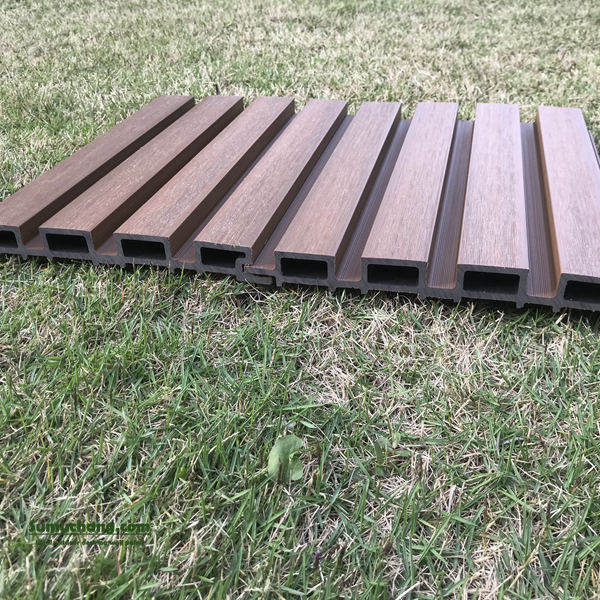
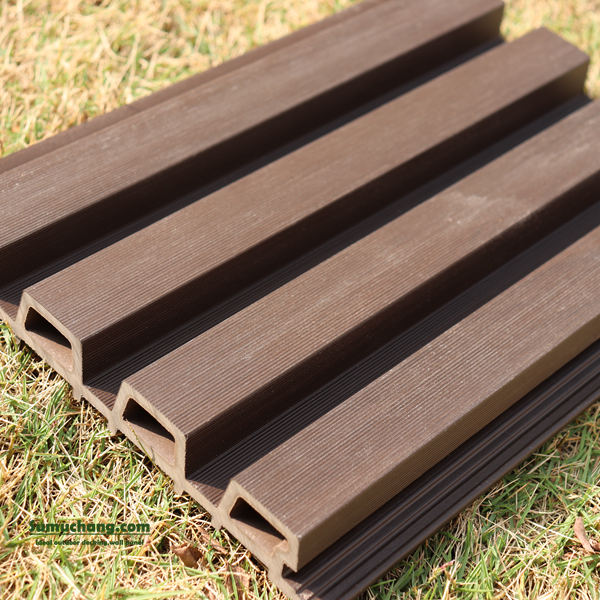
Choosing the appropriate wood deck plastic fence is integral for achieving the desired aesthetic and functionality in your outdoor space. The blend of wood and plastic in WPC (Wood Plastic Composite) offers a unique balance of durability and visual appeal. When selecting your materials, consider the colour, texture, and the specific requirements of your installation site. Ensure that the WPC material is UV resistant and provides sufficient protection against moisture and pests for long-lasting performance.
Prior to installation, it is advisable to gather all necessary tools and materials. You will need a saw for cutting, a drill for fastening, and a level to ensure even placement. Accurate measurements are key; measure the length of the area where the fence will be installed, allowing for any required gates or openings.
Preparing the Subframe
The subframe is the backbone of your WPC decking and wall cladding system, and proper preparation is essential for a successful installation. Start by clearing the area of debris and ensuring the ground is level. If the ground is uneven, consider excavating or filling in low spots to create a stable base. Once the ground is prepared, lay down pressure-treated timber or a suitable composite material for the subframe. Make sure to space your supports correctly, typically at intervals of 40 to 60 cm, to provide ample support for the decking.
After laying the subframe, it is vital to secure it in place. You can use concrete or ground anchors depending on the terrain. Ensure that all components are level to avoid future issues with the WPC boards. A well-prepared subframe will greatly enhance the longevity of your wood deck plastic fence.
Fixing Methods for WPC Boards
When it comes to fixing the WPC boards to your subframe, there are various methods to consider. One common technique involves using hidden fasteners, which provide a clean, seamless appearance. These fasteners allow for slight movement within the boards due to temperature changes, helping to prevent warping or buckling. Alternatively, you can use screws specifically designed for composite materials, ensuring they penetrate adequately without damaging the boards.
Whichever method you choose, ensure that the fixings are adequately spaced, typically one every 40 cm along the length of each board. This approach not only maintains structural integrity but also aids in water drainage, crucial for outdoor applications.
Cutting and Installing Boards
Once your subframe is ready and your fixing method is decided, it’s time to cut and install the WPC boards. Use a fine-tooth saw for a clean cut, and always measure twice before cutting to minimise waste. When installing the boards, remember to leave expansion gaps. These gaps allow for natural expansion and contraction that occurs with temperature fluctuations, preventing warping and damage.
Position the boards tightly together, leaving a small gap of approximately 5 mm between the ends of the boards and any fixed structures. For areas exposed to direct sunlight, consider increasing the gap slightly to accommodate more expansion.

Maintenance Tips for Longevity
Should you notice any scratches or scuffs, these can often be sanded down lightly or treated with specific WPC maintenance products. It’s also wise to check the fasteners and ensure they are tight and secure, as this can help prevent shifting or instability over time.

Taking the Final Steps
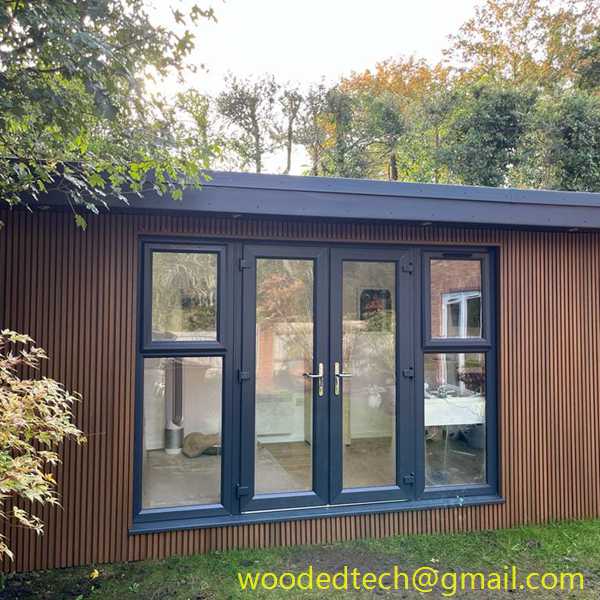
After installation, ensure that your wood deck plastic fence is aesthetically pleasing and functional. Consider adding finishing touches such as decorative elements or lighting to enhance its appeal. Moreover, understanding local regulations regarding fencing can be beneficial, ensuring compliance while enjoying your new outdoor space. With careful planning and execution, your WPC installation will provide the privacy and aesthetic you desire for years to come.