 English
  Español
  Français
  Português
  Deutsch
  Italiano
  Русский
  العربية
  简体中文
简体中文  香港中文
香港中文  한국어
한국어  日本語
日本語  Türkçe
  Nederlands
  Bahasa Indonesia
 Preparing the Subframe for Composite Decking
For a successful installation of composite decking, the first step involves preparing a robust subframe. This framework is essential as it supports the entire decking system. Start by surveying the area to ensure the ground is level and stable. If the ground is uneven, consider excavating or filling to create a flat surface. Using pressure-treated timber or metal joists for the subframe is advisable, as these materials resist rot and provide lasting support.
After establishing a level base, space the joists appropriately, typically at intervals of 400 to 600mm, depending on the manufacturer’s recommendations. It is essential to use a spirit level to check that each joist is even. Once positioned, secure the joists into place, ensuring they are firmly anchored. This step forms the backbone of your composite decking structure and significantly influences its long-term performance.
Fixing Methods and Techniques
With the subframe in place, the next critical phase is attaching the composite decking boards. Various fixing methods can be employed, including hidden fasteners and traditional screws. Hidden fasteners create a clean look and prevent visible screw heads from detracting from the aesthetic appeal. If opting for screws, ensure they are made from stainless steel to avoid corrosion.
The installation should begin from one end of the deck and work towards the other, allowing for efficient alignment and spacing. Leave the appropriate expansion gap between each board, generally around 5mm, to accommodate any movement due to temperature fluctuations. This gap is essential for preventing warping or buckling over time, which can be a common issue in composite materials.
Cutting Composite Decking Boards
Cutting composite decking boards requires precision and the correct tools. A fine-tooth saw is recommended to achieve clean edges and prevent fraying. When cutting, always measure twice to ensure accuracy; making a mistake can lead to wasted material. Additionally, it’s prudent to wear protective eyewear to safeguard against any debris.
For angled cuts or intricate designs, a mitre saw can help achieve the desired angles. Always remember to check the manufacturer’s guidelines for specific recommendations regarding cutting, as some brands may require particular approaches to maintain the integrity of the boards.
Importance of Expansion Gaps
Expansion gaps are a critical consideration that should not be overlooked during the installation process. Composite materials expand and contract with changes in temperature and humidity. For this reason, it is crucial to leave adequate gaps at the ends and edges of the boards. Failing to do so can lead to issues such as warping, cracking, or even splitting.

In addition to the gaps between the boards, ensure there is sufficient space around the perimeter of the deck. This allows for drainage and airflow, which can help prevent moisture accumulation underneath the boards. Proper ventilation is vital for the longevity of the deck, as moisture can lead to mould growth or deterioration of the materials.
Composite Decking Maintenance Tips
Maintaining composite decking is essential for ensuring its long-term performance and appearance. Regular cleaning is paramount. A simple wash with soap and water can remove dirt and debris. For tougher stains, consider using a composite deck cleaner recommended by the manufacturer, and always follow the instructions provided.
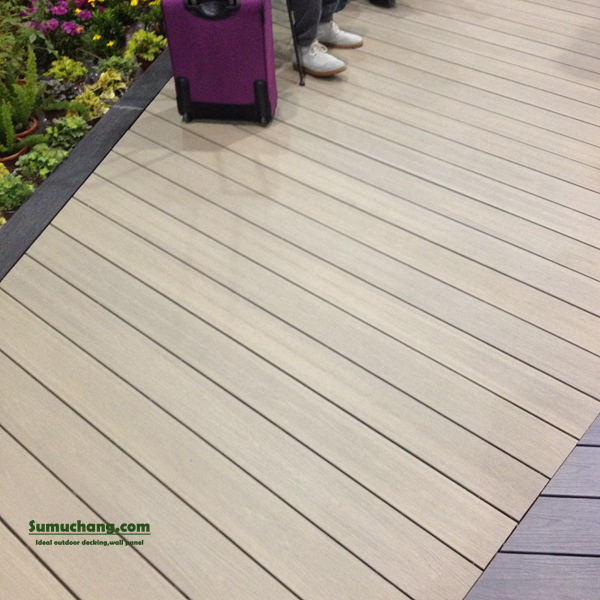
In addition to cleaning, inspect the deck regularly for signs of wear or damage. Check for loose boards, warped sections, or any signs of mould. Promptly addressing these issues can prevent more significant problems down the road. Furthermore, during the colder months, ensure snow and ice are removed gently to avoid scratching the surface.
Long-term Considerations for Composite Decking
When considering the long-term durability of composite decking, it is beneficial to factor in environmental conditions. Composite materials are generally resistant to fading and staining; however, excessive exposure to harsh sunlight or extreme weather can impact their longevity. It’s advisable to apply a UV protectant that can help maintain the colour and appearance of the decking over time.
Finally, consider the seasonal changes in your area. Adjusting your maintenance routine based on seasonal conditions can significantly extend the life of your composite decking. Regular care, alongside proper initial installation and attention to detail, sets the foundation for a beautiful and sturdy outdoor space that can be enjoyed for years.