 English
  Español
  Français
  Português
  Deutsch
  Italiano
  Русский
  العربية
  简体中文
简体中文  香港中文
香港中文  한국어
한국어  日本語
日本語  Türkçe
  Nederlands
  Bahasa Indonesia
 Dimensional Accuracy Testing
When considering where to buy WPC panel for construction projects, it is essential to ensure that the products meet specific dimensional standards. Dimensional accuracy is tested through precise measurements of length, width, and thickness. This assessment guarantees that the panels will fit seamlessly during installation, reducing the likelihood of complications on site. Each batch of WPC panels undergoes rigorous measurement checks to confirm that they comply with design specifications, which is vital for maintaining overall project integrity.
Adhering to dimensional tolerances not only aids in achieving a flawless installation but also contributes to the panels’ aesthetic appeal. A manufacturer that prioritises dimensional accuracy instils confidence in the quality and usability of their products, making them a preferred choice for builders and architects alike.
Density and Impact Resistance Evaluation
Density is another critical factor in the performance of WPC panels. A higher density typically indicates better durability and impact resistance, which are vital for outdoor applications. The testing process involves evaluating the density of samples taken from different production batches. This ensures that the panels can withstand environmental stresses, including impacts from heavy objects. A thorough density assessment can reveal the strength and longevity of the materials, providing essential insights for end-users.
Impact resistance testing involves subjecting the panels to controlled impacts to ascertain how well they absorb shock without fracturing. This crucial test helps predict how the WPC panels will perform in real-world conditions, ensuring they can endure the rigours of outdoor use. For those looking to buy WPC panel, understanding these attributes can lead to more informed purchasing decisions.
Water Absorption and Colour Stability Testing
Water absorption is a fundamental property that signifies how well a WPC panel can resist moisture over time. During testing, panels are submerged in water for a determined period before measuring any weight changes. Excessive water absorption can lead to swelling and degradation of the material, which is particularly concerning for outdoor applications. By ensuring that the panels exhibit low water absorption rates, manufacturers can guarantee their suitability for various weather conditions.
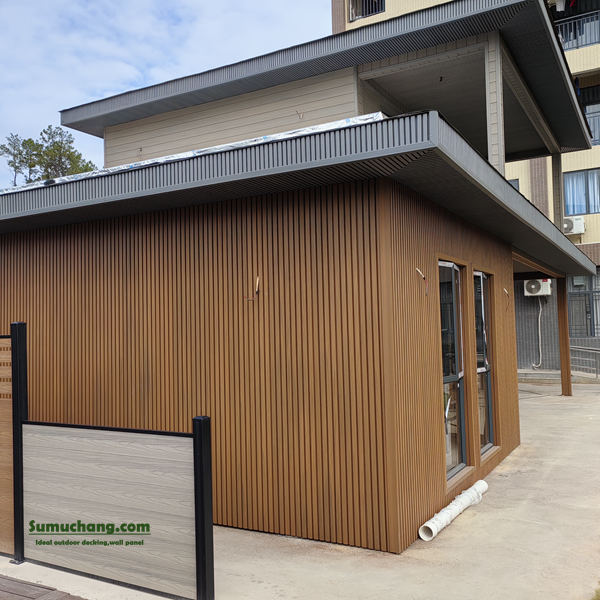
Colour stability is equally important, especially for aesthetic outdoor applications. Panels are exposed to UV light to simulate prolonged sunlight exposure. The colour change, if any, is meticulously recorded. A WPC panel that maintains its colour over time not only looks appealing but also reflects the quality of the manufacturing process. It is essential for buyers to consider these factors when selecting WPC panels, as they directly influence the panel’s performance and visual appeal.
Bending Strength and Appearance Inspection
Bending strength testing is performed to determine how much load a WPC panel can withstand before deforming or breaking. This assessment involves applying force to the panel until it fails. A higher bending strength indicates that the panel can support significant weight, which is crucial for applications such as decking and railing. This characteristic ensures that WPC products can bear the loads they are subjected to in real-world scenarios, making them a reliable choice for construction projects.
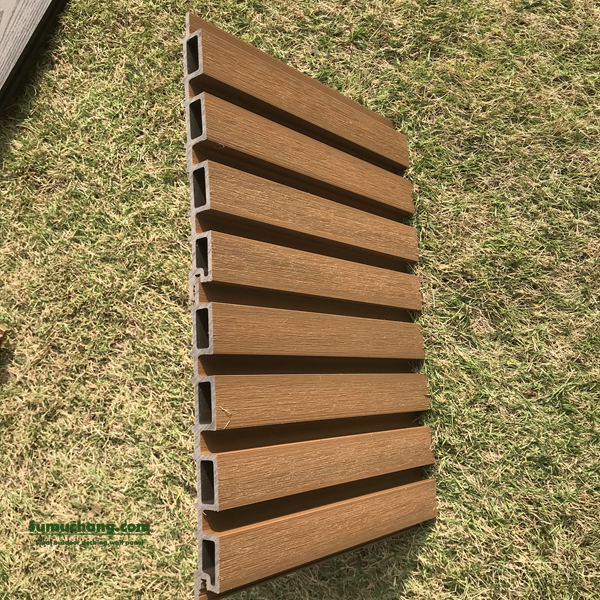
Appearance inspection is the final yet equally critical aspect of quality control. Each panel is visually examined for surface defects, colour consistency, and overall finish. Imperfections can significantly impact both the performance and aesthetic appeal of the product. A thorough appearance inspection ensures that only high-quality panels are shipped to customers, reinforcing the brand’s reputation and customer satisfaction.
The Importance of Quality Control in WPC Production
Quality control is a cornerstone of the manufacturing process for WPC panels, significantly influencing customer satisfaction and project success. As a WPC quality inspection supervisor, I understand that ensuring the highest standards through rigorous testing is essential for maintaining the integrity of the product. Buyers should seek suppliers who prioritise quality control, as this can prevent costly issues down the line.
When opting to buy WPC panel, understanding the testing processes can provide a clearer picture of what to expect from a product. By selecting panels that have undergone comprehensive evaluations, buyers can ensure they receive durable, visually appealing, and reliable materials suitable for their construction projects. Ultimately, the quality assurance embedded in the manufacturing process reflects the commitment to excellence and customer satisfaction.