 English
  Español
  Français
  Português
  Deutsch
  Italiano
  Русский
  العربية
  简体中文
简体中文  香港中文
香港中文  한국어
한국어  日本語
日本語  Türkçe
  Nederlands
  Bahasa Indonesia
 Standard Dimensions of Composite Decking Boards
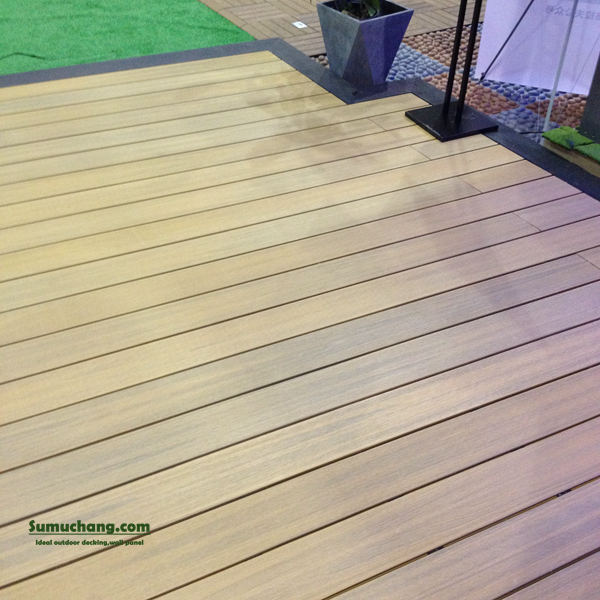
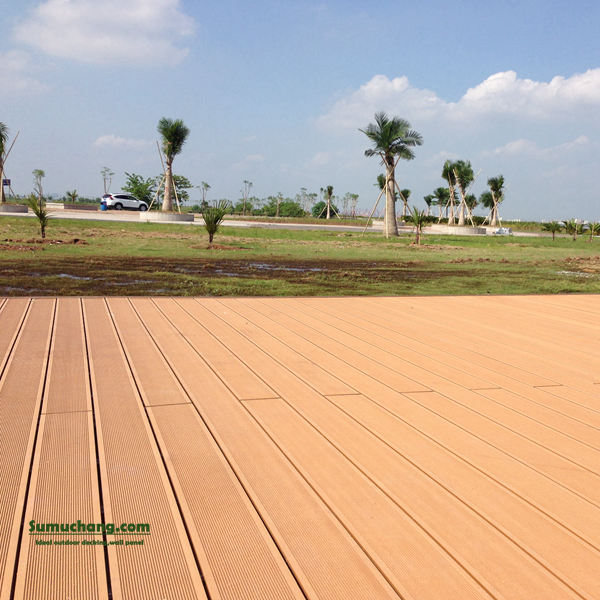
When considering composite decking for outdoor spaces, the dimensions of the decking boards are an essential factor that significantly influences both the aesthetics and functionality of the installation. Standard composite deck dimensions typically include board widths of 114mm (4.5 inches) to 140mm (5.5 inches) and lengths that can range from 2.4m (8 feet) to 5.5m (20 feet). The thickness of these boards generally varies from 20mm (0.75 inches) to 30mm (1.25 inches), catering to diverse application needs. Understanding these standard dimensions is vital for architects, builders, and contractors to ensure that the selected materials align seamlessly with the project’s design requirements.
The choice of board widths can greatly affect the visual appeal of a deck. Wider boards offer fewer seams, which can create a more streamlined look, while narrower boards can be beneficial for intricate designs or spaces that require more flexibility. Additionally, the length of the boards can impact how many joints are visible in the finished product, thereby influencing the overall durability and maintenance requirements.
Composite Decking Versus Traditional Materials
Composite decking offers several advantages over traditional wood decking, particularly concerning standard dimensions and performance characteristics. Manufacturers of composite materials provide boards that are engineered for consistent thickness and width, reducing the likelihood of warping or splintering that can occur with natural wood. Furthermore, this consistency allows for more straightforward calculations when planning for material requirements in large projects.
Traditional wood decking often comes in various dimensions depending on the type of wood, leading to potential discrepancies in installation. Conversely, composite decking boards are manufactured to exact specifications, greatly simplifying the planning and installation process. This reliability in dimensions ensures that builders can accurately anticipate the number of boards needed based on the total deck area, leading to more effective budgeting and reduced waste.
Load-Bearing Capacity and Dimension Considerations
An essential aspect of composite deck dimensions is their load-bearing capacity, which must be considered during design and installation. The thickness of the decking boards correlates directly with their ability to support weight without bending or breaking. For instance, thicker boards are generally able to withstand heavier loads, making them suitable for areas with high foot traffic or where heavy furniture may be placed.

When planning a composite deck, it is advisable to consult the manufacturer’s specifications regarding the load capacity of their products. This information is crucial for engineers and designers, allowing them to determine the appropriate spacing for joists and supports based on the chosen decking dimensions. Ensuring that the deck is designed to meet or exceed local building codes will result in a safe and durable installation.
Installation Techniques Influenced by Deck Dimensions
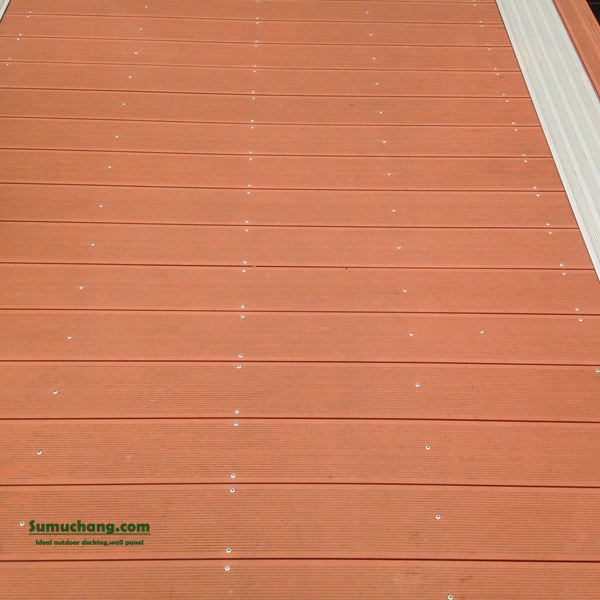
The dimensions of composite decking boards can also dictate the installation technique. For instance, longer boards tend to be more efficient in large spaces as they require fewer cuts, reducing the risk of wastage. However, they can also pose challenges in handling and transport, necessitating careful planning during the installation process.
Moreover, the width of the boards affects the spacing of the joists beneath. Wider boards often require closer joist spacing to prevent sagging, while narrower boards might allow for greater distances between supports. This factor is critical for achieving a level surface and ensuring that the deck remains stable over time.
Environmental Considerations and Sustainable Sourcing
When selecting composite decking, buyers should consider products that meet environmental certifications, ensuring that the materials used are sourced responsibly. By opting for sustainably produced decking, businesses can enhance their reputation and attract environmentally conscious customers, all while maintaining attractive standard dimensions that meet construction needs.