 English
  Español
  Français
  Português
  Deutsch
  Italiano
  Русский
  العربية
  简体中文
简体中文  香港中文
香港中文  한국어
한국어  日本語
日本語  Türkçe
  Nederlands
  Bahasa Indonesia
 Evaluating the Cost Differences
When looking at the wood versus composite decking cost comparison, the analysis extends far beyond mere upfront expenses. The financial implications involve material costs, installation fees, maintenance over time, and expected longevity. Wood decking typically offers an appealing initial price point, yet the hidden costs associated with maintenance and replacement can significantly escalate the long-term financial forecast. In contrast, while composite materials may require a higher initial investment, their durability often translates to lower maintenance costs over the years, presenting a more economical choice in the long run.
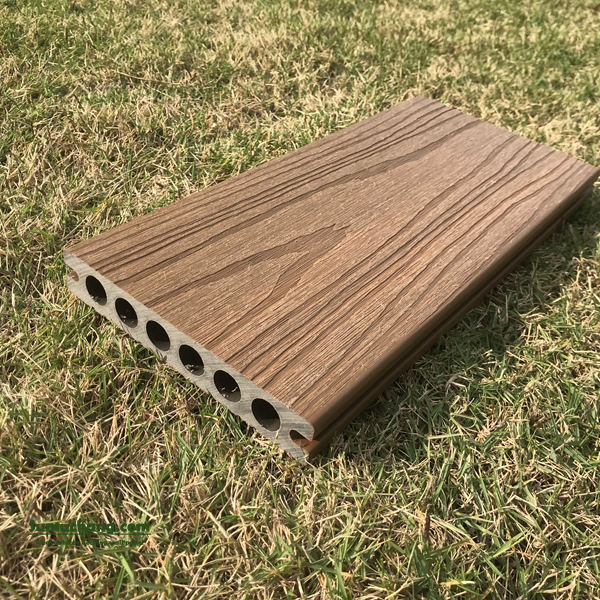
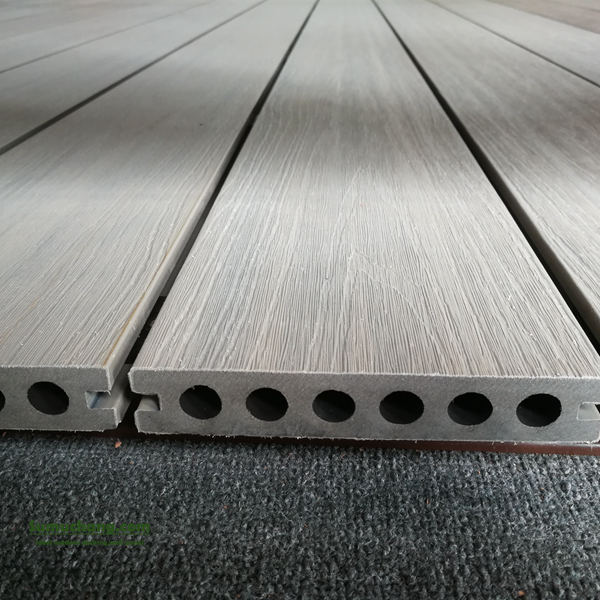
Composite decking, primarily made from a blend of wood fibres and recycled plastics, has emerged as a popular alternative to traditional timber. This blend allows for a variety of formulations, offering the capacity to tailor performance characteristics while keeping cost considerations in mind. As a WPC formulation development engineer, designing a high-performance outdoor composite calls for a delicate balance between the ratio of wood fibre and plastic, ensuring the optimal properties for durability and appearance.
The Impact of Material Composition
Determining the right ratio of wood fibre to plastic is crucial in developing an effective composite decking formula. A higher wood content can enhance aesthetics and provide a more natural appearance akin to traditional wood. However, this can also lead to increased susceptibility to moisture and decay, thereby shortening overall lifespan. Conversely, increasing the plastic ratio improves moisture resistance and durability, but may compromise the natural look that many consumers desire.
The choice of additives also plays a significant role in the formulation process. Incorporating UV stabilisers, anti-fungal agents, and colourants can protect the decking from the elements while enhancing its visual appeal. Each additive introduces additional costs, hence careful consideration is necessary to strike a balance that achieves high performance without pushing the price beyond competitive limits. Understanding the market dynamics and customer preferences for aesthetics can inform these decisions, ensuring the product not only meets functional requirements but also appeals to the target demographic.
Cost Control Strategies
In managing the costs of composite decking production, implementing efficient manufacturing processes is essential. Optimising the extrusion technology can lead to reduced waste and improved efficiency, ultimately contributing to lower production costs. The use of advanced machinery that allows precise control over the material flow can enhance the quality of the final product while minimizing energy consumption during the manufacturing phase.
Additionally, sourcing raw materials sustainably can offer advantages in both cost and marketability. By using recycled plastics and responsibly sourced wood fibres, manufacturers can appeal to environmentally conscious consumers while potentially reducing material costs. Establishing strong relationships with suppliers for bulk purchasing can also yield significant savings. Each of these strategies can contribute to maintaining a competitive edge in the wood versus composite decking cost discussion.
Assessing Lifespan and Maintenance
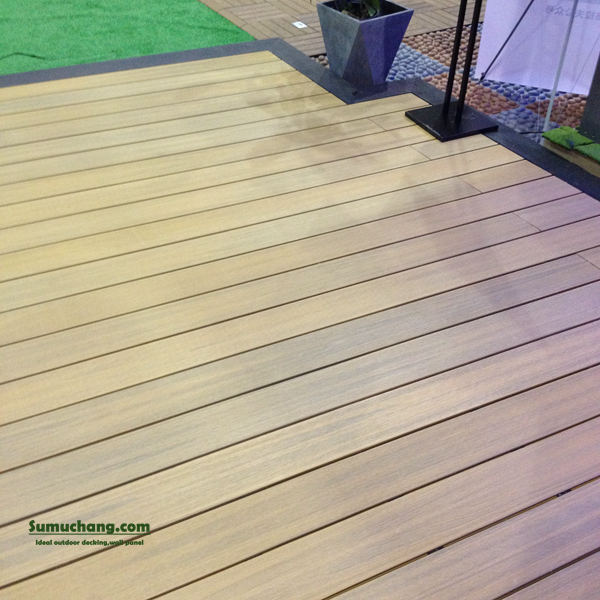
The longevity of decking materials is a pivotal factor in understanding their overall cost-effectiveness. Composite materials tend to outperform traditional wood regarding lifespan, often exceeding twenty years with minimal maintenance. This longevity translates directly into cost savings, as homeowners are less likely to face the frequent expenditures associated with repairs or replacements common with wood decking.
In addition to lifespan, the maintenance requirements of different materials play a crucial role in overall satisfaction and expense. Composite decking typically requires less upkeep, often limited to occasional cleaning. Wood, however, necessitates regular sealing, staining, and potential replacement of damaged boards. This ongoing maintenance can accumulate significant costs over time, which should be factored into any comprehensive cost analysis.
Consumer Preferences and Market Trends
Consumer preferences are shifting, with an increasing focus on sustainability and low maintenance in outdoor products. This trend has positioned composite materials favourably in the wood versus composite decking cost debate. Many buyers are willing to invest more upfront for a product that promises longevity and reduced environmental impact. Understanding these shifting preferences allows manufacturers to tailor their marketing strategies effectively, highlighting the advantages of composite decking in terms of both performance and sustainability.
Moreover, as awareness of sustainable building practices grows, the demand for wood-plastic composites continues to rise. Companies that embrace innovative formulations and eco-friendly practices can carve out a significant market niche. As a WPC formulation development engineer, staying attuned to these market dynamics is essential for ensuring product relevance and competitiveness in a crowded landscape.
The Future of Composite Decking
As technology advances, the potential for developing even more enhanced WPC formulations becomes apparent. Innovations in material science may lead to composites that mimic the beauty of natural wood while overcoming its inherent limitations. By investing in research and development, manufacturers can create products that are not only competitive in terms of cost but also set new standards for performance and durability.
In the ongoing wood versus composite decking cost comparison, it is vital to consider the entire life cycle of the materials involved. By focusing on formulation, production efficiency, and consumer preferences, one can create a compelling value proposition that resonates with both builders and homeowners. As the market for outdoor living products continues to evolve, the integration of advanced composites into the building industry is poised to reshape perceptions and set new benchmarks for quality and sustainability.