 English
  Español
  Français
  Português
  Deutsch
  Italiano
  Русский
  العربية
  简体中文
简体中文  香港中文
香港中文  한국어
한국어  日本語
日本語  Türkçe
  Nederlands
  Bahasa Indonesia
 Composite Deck Joints in Outdoor Environments
Composite deck joints play a significant role in the durability and aesthetics of outdoor flooring. These joints are essential for ensuring that the various components of a composite deck work together effectively, particularly in outdoor settings like residential gardens, commercial landscapes, and recreational areas. When designing outdoor WPC (Wood Plastic Composite) products, it is crucial to consider the environments in which they will be installed. For instance, decks in residential gardens can serve as beautiful extensions of living spaces, while commercial landscapes may require a more robust design to withstand heavy foot traffic.
Outdoor areas such as hotel balconies and swimming pool surroundings benefit from well-designed composite deck joints. These joints not only enhance stability but also contribute to a visually appealing finish that complements the overall design of the space. The choice of joint design can significantly impact the maintenance and longevity of the flooring, making it essential to select the right materials and methods for installation.
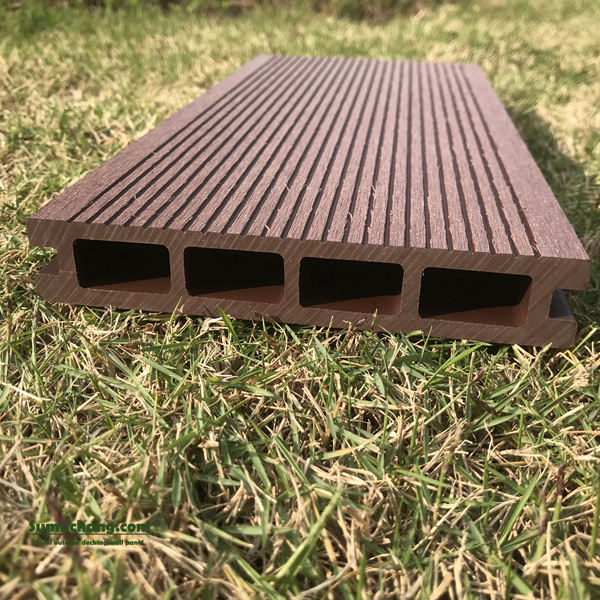
Designing Strong Joints for Longevity
Incorporating strong composite deck joints involves selecting the right materials and techniques to ensure that the joints can withstand environmental stressors. For instance, when designing joints for areas exposed to moisture, such as pool decks or public facilities, it is vital to use water-resistant fasteners and adhesives that can endure prolonged exposure without degrading. Additionally, the joints should allow for adequate drainage to prevent water pooling, which can lead to structural issues over time.
Attention to detail during installation is equally important. Proper alignment and fixing techniques can prevent movement within the joints, which can cause wear and tear. It is advisable to follow best practices for spacing and reinforcement, such as using mechanical fasteners that can accommodate thermal expansion and contraction, thereby prolonging the integrity of the deck.
Application Suggestions for WPC Products
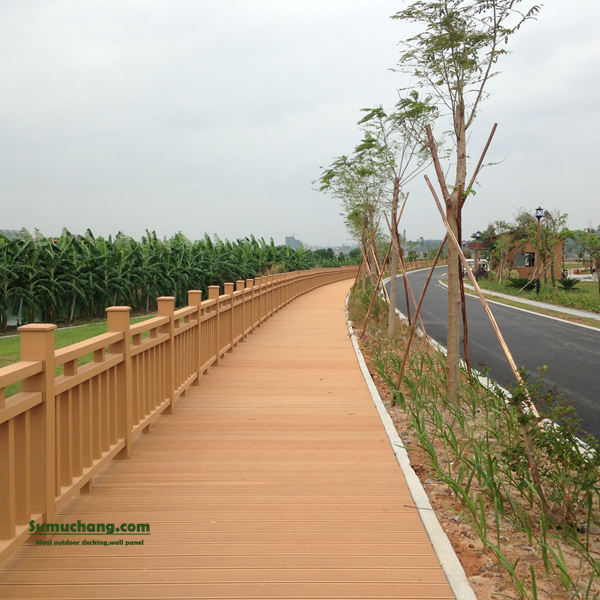
WPC products are versatile and can be effectively used in various applications. In residential settings, they can enhance outdoor living areas, such as patios and decks, providing a stylish yet functional space for relaxation and entertainment. In commercial environments, such as hotels and resorts, WPC can be used to create walkways and poolside decking that not only looks appealing but also provides safety and comfort for guests.
Public facilities, including parks and playgrounds, benefit from the durability of WPC products, which can withstand heavy usage while maintaining their aesthetic appeal. When designing for these applications, it is crucial to choose composite deck joints that offer both strength and flexibility, allowing for the natural movement of the materials without compromising the overall structure.
Considerations for Aesthetic Appeal
While strength and durability are paramount, the aesthetic aspect of composite deck joints should not be overlooked. A well-designed joint can enhance the visual appeal of the outdoor deck and contribute to the overall design theme. For instance, using colour-matched or decorative fasteners can create a seamless look that blends with the surrounding environment.
Furthermore, choosing the right finish for the decking can also influence the visual impact of the joints. Textured finishes can provide a non-slip surface, which is particularly important in environments like swimming pools where wet surfaces can be hazardous. By prioritising aesthetic considerations alongside structural integrity, designers can create outdoor spaces that are both beautiful and functional.
Innovative Techniques in Joint Design
Advancements in technology have led to innovative techniques for designing composite deck joints. For instance, interlocking systems can significantly enhance the structural integrity of the deck while simplifying the installation process. These systems often employ specially designed profiles that fit together without the need for visible fasteners, resulting in a clean, modern appearance.
Additionally, the use of modular designs can allow for easy replacement and maintenance of individual sections of decking without affecting the entire structure. This approach not only prolongs the lifespan of the deck but also minimises downtime and disruption to outdoor spaces. For WPC application engineers, embracing these innovative techniques can lead to the creation of outdoor flooring that meets both performance and aesthetic expectations, providing significant benefits for a variety of applications.