 English
  Español
  Français
  Português
  Deutsch
  Italiano
  Русский
  العربية
  简体中文
简体中文  香港中文
香港中文  한국어
한국어  日本語
日本語  Türkçe
  Nederlands
  Bahasa Indonesia
 Composite Deck Design Principles
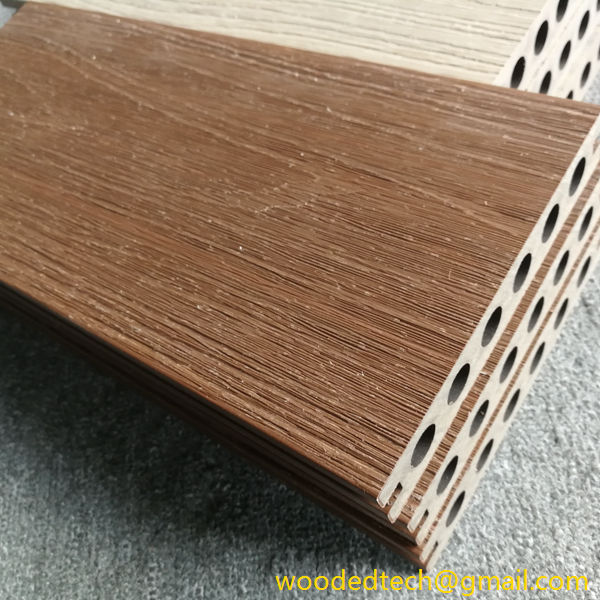
When embarking on the journey of creating new composite deck designs, it is essential to grasp the fundamental principles that govern the characteristics of wood-plastic composite (WPC) materials. The choice between hollow and solid structures significantly influences not only the aesthetic appeal but also the structural integrity of the deck. Hollow profiles, for instance, offer a notable reduction in weight, making transportation and handling less cumbersome. This lightweight approach often leads to lower shipping costs and easier installation processes. However, solid profiles tend to exhibit superior strength and durability, making them a viable option for high-traffic areas.
In the design phase, it is crucial to balance the trade-offs between weight and strength. A well-designed hollow structure can provide adequate support while maintaining a lightweight profile, which is particularly advantageous in residential applications where ease of installation is paramount. On the other hand, solid structures may require more material and therefore incur higher costs but can enhance the longevity and performance of the deck under various environmental conditions.
Influence of Rib Designs
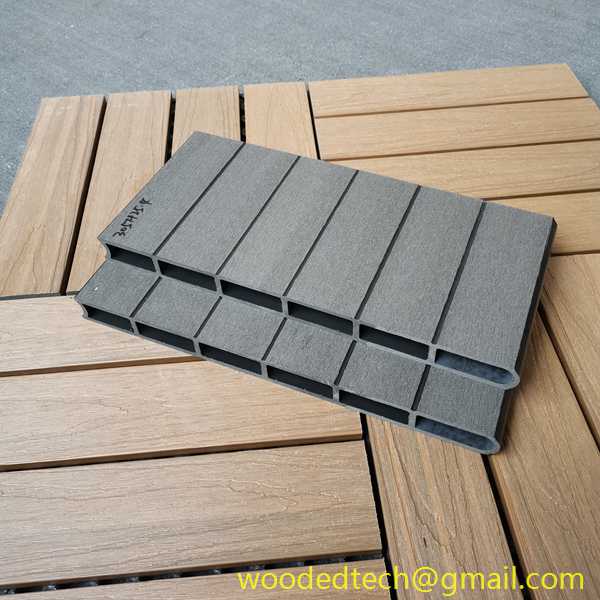
The incorporation of rib designs within WPC profiles can significantly enhance strength without excessively increasing weight. Ribs are strategically placed reinforcements that provide additional support, allowing for longer spans and increased load-bearing capabilities. A thoughtful rib design maximises the structural performance of a deck while ensuring that the cost remains manageable. The spacing and depth of these ribs must be carefully calibrated to create an optimal blend of aesthetics and functionality.
Moreover, ribbed designs can also contribute to the overall visual appeal of the deck. A well-executed ribbing pattern adds texture and character, making the deck not only functional but also attractive. This can be particularly appealing in outdoor settings where visual integration with the natural environment is sought after. As such, rib designs serve a dual purpose: enhancing strength and contributing to the design language of the composite deck.
Surface Patterns and Aesthetics
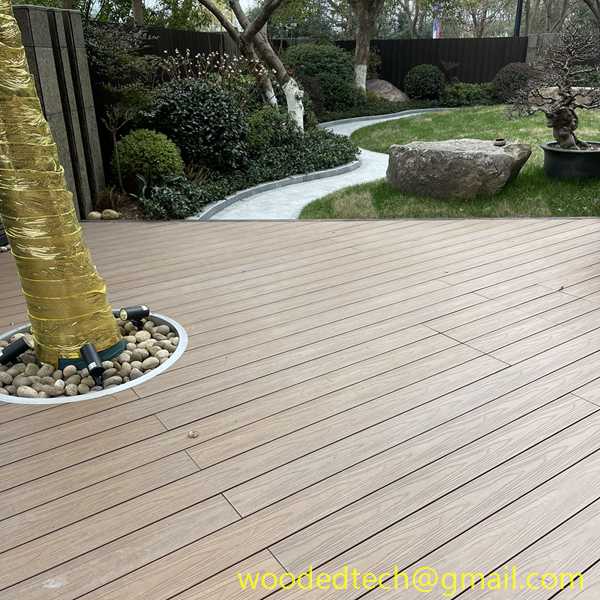
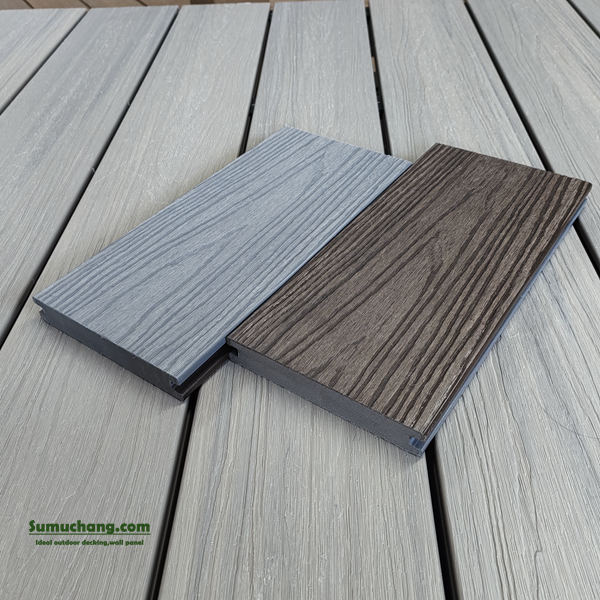
Surface patterns play a pivotal role in defining the look and feel of composite decking. The choice of texture can affect not only the aesthetic but also the practicality of the deck. Smooth surfaces are easier to clean and provide a sleek appearance, while textured surfaces can offer better slip resistance, which is particularly important in wet conditions. When seeking composite deck inspiration, it is beneficial to consider the desired application and environment to determine the most suitable surface pattern.
Additionally, the finishing techniques used in surface treatment can greatly influence the colour, sheen, and tactile experience of the decking material. Emphasising natural wood grain patterns can help create a sophisticated look that appeals to homeowners seeking to replicate the traditional charm of wooden decks, while still enjoying the benefits of WPC’s durability and low maintenance requirements.
Cost Considerations in Composite Decking
Cost is often a determining factor in the design and selection of composite decking materials. The complexity of the profile design, the amount of material used, and the chosen manufacturing processes all contribute to the overall expense. Hollow profiles may lead to lower material costs, yet they must be designed with precision to ensure that they do not compromise on performance. Meanwhile, solid profiles, although potentially more costly, may provide added value through their enhanced durability and lifespan.
When budgeting for new designs, it is crucial to evaluate both the short-term and long-term costs associated with different profiles. While initial savings on material may be tempting, investing in higher-quality solid structures can yield significant benefits in durability, reducing the need for replacements or repairs over time. This long-term vision is essential for those looking to make a sustainable investment in their outdoor spaces.
Installation Performance and Efficiency
The ease of installation is a critical aspect that designers must consider when developing new composite deck designs. Profile shapes, sizes, and fastening systems can greatly influence how quickly and efficiently a deck can be assembled. Profiles that can easily interlock or require fewer fasteners can streamline the installation process, thereby reducing labour costs and time on site. This efficiency is especially valuable in commercial projects where project timelines can be tight.
Moreover, the compatibility of the design with existing structures and landscapes can facilitate a smoother installation process. For instance, profiles that easily adapt to varying ground conditions or seamlessly integrate with other landscaping elements can enhance the overall effectiveness of the installation. Therefore, when seeking composite deck inspiration, it is beneficial to incorporate installation performance into the design criteria.
Future Trends in Composite Deck Design
Looking ahead, the trends in composite deck design are evolving towards greater sustainability and innovation. As consumers become increasingly eco-conscious, the demand for materials that are not only durable but also environmentally friendly is on the rise. This shift is encouraging manufacturers to explore more sustainable resourcing and production methods while also inspiring designers to create profiles that maximise the use of recycled materials. The integration of smart technologies, such as weather and load sensors, into decking designs will also likely reshape the future landscape of composite decking.

In this dynamic environment, composite deck inspiration will continue to draw from advancements in material science and changing consumer preferences. As WPC extrusion and mould design engineers, it is our role to innovate and adapt, ensuring that our designs meet the needs and expectations of the market while pushing the boundaries of what composite decking can achieve.