 English
  Español
  Français
  Português
  Deutsch
  Italiano
  Русский
  العربية
  简体中文
简体中文  香港中文
香港中文  한국어
한국어  日本語
日本語  Türkçe
  Nederlands
  Bahasa Indonesia
 Material Composition of Composite Deck Boards
Composite deck boards, particularly those measuring 16 ft, are primarily formulated from a blend of wood powder and polymer, notably HDPE (high-density polyethylene) or PVC (polyvinyl chloride). The selection of these materials significantly influences the final product’s durability and overall performance. Wood powder provides the aesthetic appeal and natural look of wood, while HDPE or PVC polymers impart structural integrity and weather resistance. It is essential to utilise high-quality raw materials to ensure that the composite deck boards can withstand the rigours of outdoor conditions.
During the production process, additives and modifiers are incorporated to enhance specific characteristics, such as UV resistance and anti-fungal properties. These components play a vital role in maintaining the appearance and functionality of the boards over time, crucial for large installations where longevity is paramount.
Importance of Quality Control in Production
The manufacturing of composite deck boards requires stringent quality control measures. As a raw material quality control engineer, I oversee several inspection methods that ensure consistency and reliability in our products. One key inspection technique involves the analysis of the blend of wood powder and polymers to confirm the correct ratios are adhered to. This is critical in optimising performance, as an imbalance can lead to issues like warping or reduced strength under load.
Another vital aspect of quality inspection is the evaluation of the finished boards for defects. This includes assessing the surface finish, checking for inconsistencies in colour or texture, and verifying dimensions against industry standards. By maintaining rigorous quality control processes, we guarantee that our composite deck boards meet the expectations of clients, especially for extensive installations that demand high performance.
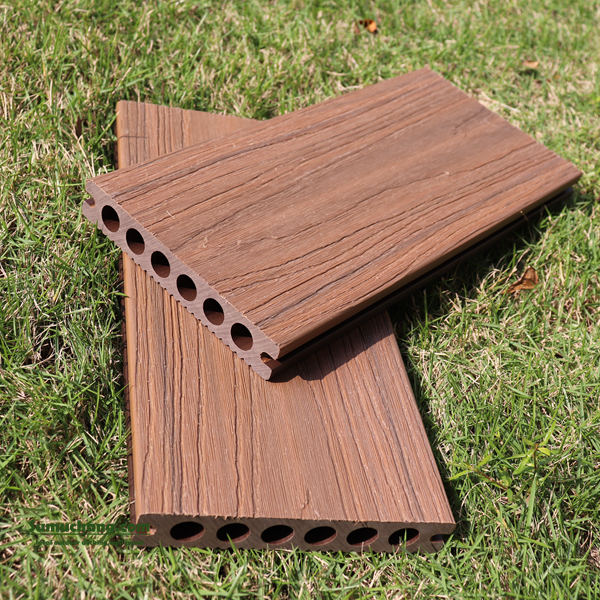
Weather Resistance and Durability of WPC Products
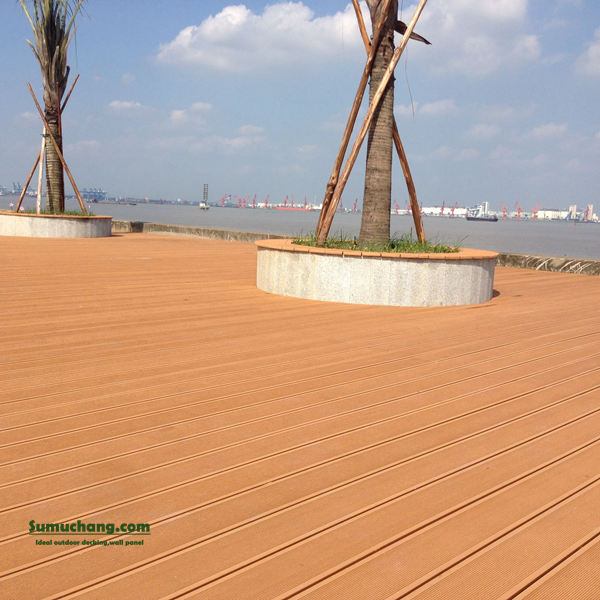
One of the standout features of 16 ft composite deck boards is their exceptional weather resistance. The integration of high-density polymers with wood powder creates a composite that resists moisture absorption, significantly reducing the risk of rot, warping, and swelling. This characteristic is particularly beneficial in regions with extreme weather conditions, where traditional wood decking may fail.
Moreover, the addition of UV stabilisers within the polymer blend helps prevent colour fading from sunlight exposure. This ensures that the aesthetics of the deck remain intact over time, providing a long-lasting, attractive surface for outdoor spaces. As a WPC factory in Guangdong, we continuously monitor these properties through accelerated weathering tests to simulate years of exposure to the elements, allowing us to predict the long-term performance of our products reliably.
Performance Metrics for Large Installations
The performance of composite deck boards extends beyond just durability and aesthetics; load-bearing capability is also a critical factor, especially in large installations. The engineering behind these products involves rigorous testing to ensure they can withstand significant weight without compromising integrity. This includes bending tests and impact resistance assessments that provide insights into the boards’ structural soundness.
Additionally, slip resistance is an essential performance metric, particularly for decks exposed to moisture. By incorporating special surface textures and additives, we enhance grip, ensuring safety for users. These performance metrics are not only crucial for customer satisfaction but also for meeting regulatory standards in various markets.
Environmental Considerations in Composite Decking
In the production of composite deck boards, sustainability is a priority. Our factory utilises recycled materials, including reclaimed wood and post-consumer plastics, to reduce the environmental impact. This approach aligns with the growing demand for eco-friendly building materials, especially in large-scale projects where environmental footprints are evaluated.
Furthermore, the manufacturing process focuses on minimising waste and energy consumption. By adopting innovative technologies and practices, our facility aims to produce high-quality composite decking while preserving natural resources. These efforts not only contribute to the sustainability of our products but also resonate with environmentally conscious consumers.