 English
  Español
  Français
  Português
  Deutsch
  Italiano
  Русский
  العربية
  简体中文
简体中文  香港中文
香港中文  한국어
한국어  日本語
日本語  Türkçe
  Nederlands
  Bahasa Indonesia
 Quality Outdoor WPC Wall Panel for a Modern Look
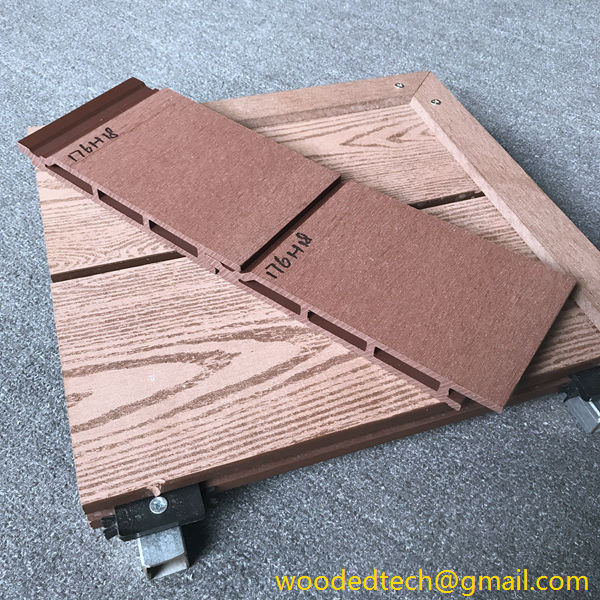
In recent years, the demand for innovative and sustainable building materials has surged, particularly in outdoor applications. Among these materials, Wood Plastic Composite, or WPC, has gained significant attention for its unique combination of properties that make it ideal for outdoor wall panels. WPC is composed of a mixture of wood fibers and plastic, providing a balance between the aesthetic appeal of natural wood and the durability of synthetic materials. This blend results in a product that is not only visually appealing but also highly functional, making it a preferred choice for modern architectural designs.
One of the standout features of WPC wall panels is their impressive resistance to environmental factors. Unlike traditional wood, WPC does not warp, crack, or split when exposed to moisture. This characteristic makes WPC an excellent option for regions with high humidity or frequent rainfall. The impermeability of the plastic component prevents water absorption, which is a common issue with natural wood. As a result, WPC wall panels maintain their structural integrity and appearance over time, ensuring that they continue to look new even after years of exposure to the elements.

Another important aspect of WPC wall panels is their resistance to pests. Traditional wood is susceptible to termites and other wood-boring insects, which can compromise the structural integrity of wooden structures. WPC, being a composite material, does not provide a food source for these pests, thereby reducing the risk of infestation. This resistance not only prolongs the lifespan of the panels but also minimizes maintenance costs and efforts associated with pest control.
The durability of WPC wall panels also extends to their color retention. Many manufacturers incorporate UV stabilizers in the production of WPC, which help to prevent fading and discoloration caused by prolonged exposure to sunlight. This means that homeowners and builders can enjoy the aesthetic benefits of vibrant colors without worrying about them fading over time. The ability to retain color enhances the overall appearance of the building, contributing to a modern and polished look.

From a maintenance perspective, WPC wall panels offer significant advantages over traditional materials. They do not require regular sealing, painting, or staining, which are often necessary for wooden surfaces to protect against the elements. Cleaning is also straightforward; typically, a simple wash with soap and water is sufficient to remove dirt and grime. This ease of maintenance not only saves time and effort but also contributes to the long-term cost-effectiveness of using WPC wall panels in construction.
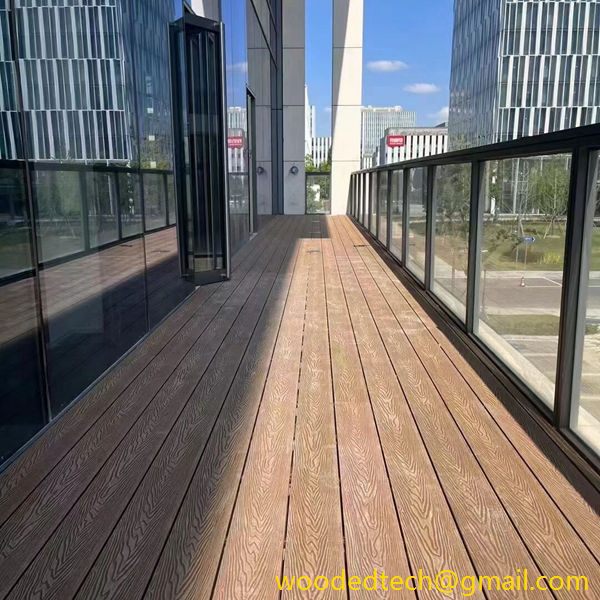
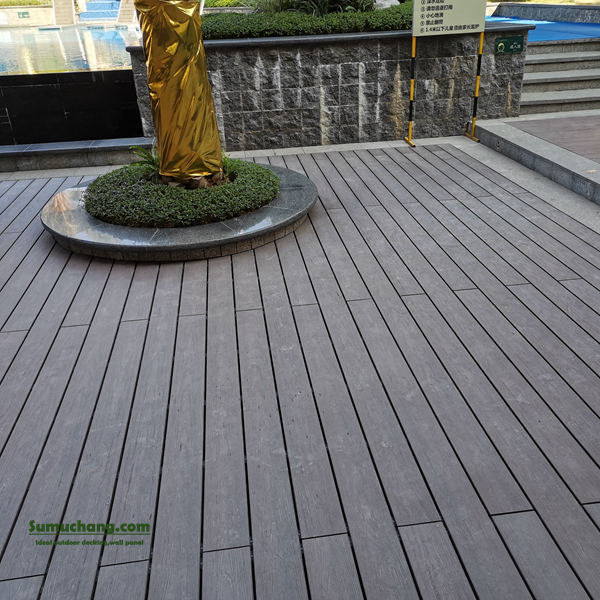
In terms of design flexibility, WPC wall panels provide a variety of options that cater to contemporary architectural trends. They are available in an array of colors, finishes, and textures, allowing architects and designers to create unique and stylish exteriors. Whether aiming for a sleek, minimalist look or a more rustic appearance, WPC panels can be tailored to meet diverse aesthetic preferences. Additionally, the lightweight nature of WPC makes installation easier and quicker, reducing labor costs and project timelines.
Sustainability is another pivotal factor that has led to the increasing popularity of WPC wall panels. The production of WPC utilizes recycled materials, which helps to reduce waste and the demand for virgin resources. By choosing WPC, builders contribute to environmental conservation efforts, making this material an attractive option for eco-conscious consumers. Furthermore, WPC panels can be recycled at the end of their life cycle, further promoting sustainability in construction practices.
Acoustic performance is another consideration when selecting materials for outdoor wall applications. WPC panels can provide sound insulation benefits, helping to reduce noise pollution from external sources. This feature is particularly advantageous for homes located in urban environments or near busy roads, where noise can significantly impact the quality of life. By incorporating WPC panels, homeowners can create a serene and peaceful living space.
In addition to their functional benefits, WPC wall panels contribute to energy efficiency in buildings. Their insulating properties can help regulate indoor temperatures, reducing the reliance on heating and cooling systems. This not only lowers energy bills but also minimizes the environmental impact associated with energy consumption.
The combination of these properties positions quality outdoor WPC wall panels as an exceptional choice for modern construction. Their durability, low maintenance needs, aesthetic versatility, and sustainable nature make them a compelling alternative to traditional materials. As architects and builders continue to prioritize innovative solutions for outdoor applications, WPC wall panels are likely to play a key role in shaping the future of architectural design. Embracing these advanced materials not only enhances the visual appeal of structures but also aligns with the growing emphasis on sustainability and functionality in the building industry.