 English
 Español
 Français
 Português
 Deutsch
 Italiano
 Русский
 العربية
 简体中文
 香港中文
 한국어
 日本語
 Türkçe
 Nederlands
 Bahasa Indonesia
Enhancing Exterior Design with 3D WPC Wall Cladding
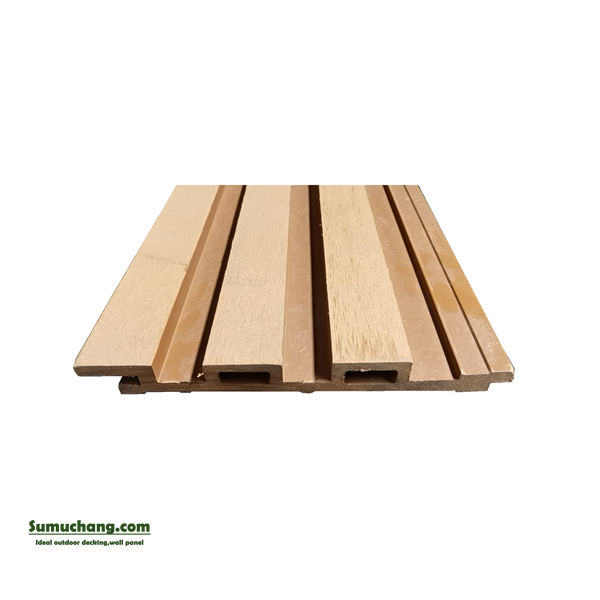
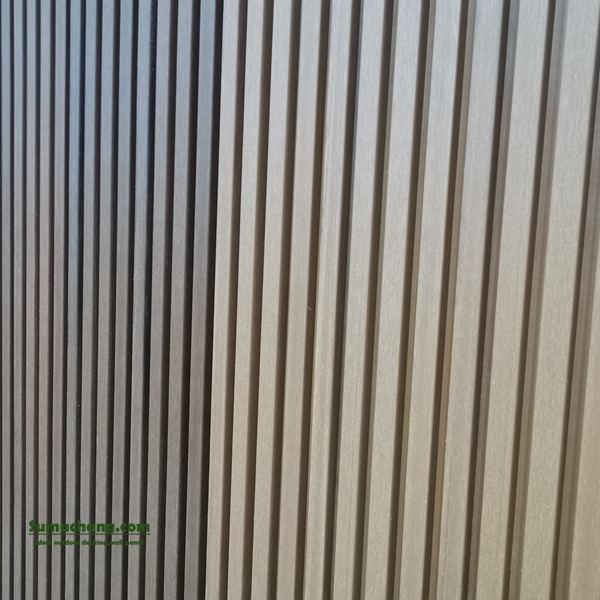
3D WPC wall cladding has emerged as a game-changer in exterior design, combining aesthetic appeal with a host of practical benefits. This innovative material, crafted from wood-plastic composite, offers a modern, stylish finish that enhances any architectural project. Its textured surfaces can mimic natural woods or create striking patterns, allowing architects and designers to push creative boundaries. The vibrant and varied designs available in 3D WPC wall cladding facilitate unique expressions in building facades, making it an attractive option for residential homes, commercial buildings, and public spaces alike.
Moreover, the durability of WPC wall cladding is commendable. It resists rot, decay, and moisture, which are common issues faced by traditional wood products. The low maintenance requirement means that exterior walls stay looking fresh and appealing without the need for frequent repairs or colour touch-ups. As the demand for sustainable building materials grows, 3D WPC wall cladding stands out for its environmentally friendly attributes, making it a sound choice for future-focused construction projects.
Selecting Reliable WPC Suppliers
For those venturing into overseas procurement, selecting a reliable WPC supplier is paramount. Begin by assessing the supplier’s reputation within the industry. Look for established manufacturers who have a track record of delivering high-quality products. Engaging with industry professionals and participating in trade shows can provide invaluable insights into trustworthy suppliers. Furthermore, online reviews and testimonials from previous clients can reveal a lot about the reliability and performance of the supplier’s offerings.
It is also essential to evaluate the certifications that suppliers possess. Compliance with international quality standards, such as ISO or CE certifications, is a positive indicator of a manufacturer’s commitment to quality. Ensuring that the supplier sources materials ethically and sustainably can also align with the growing emphasis on environmental responsibility among consumers and businesses.
Evaluating Factories and Production Processes
Once a promising supplier has been identified, evaluating their factory and production processes is the next critical step. A factory visit can provide a first-hand look at the operational standards and quality control measures in place. During this evaluation, pay attention to the machinery used in production and the expertise of the workforce. Modern equipment and skilled labour often correlate with superior product quality, which is vital for ensuring that the 3D WPC wall cladding meets the required specifications.
Additionally, inquire about the manufacturing process itself. Understanding whether the supplier has implemented rigorous quality control protocols at each stage of production can help mitigate risks. Regular testing of finished products for durability, appearance, and adherence to specifications is crucial in ensuring customer satisfaction and eliminating the chances of defects in the delivered goods.
Confirming Specifications and Customisation Options
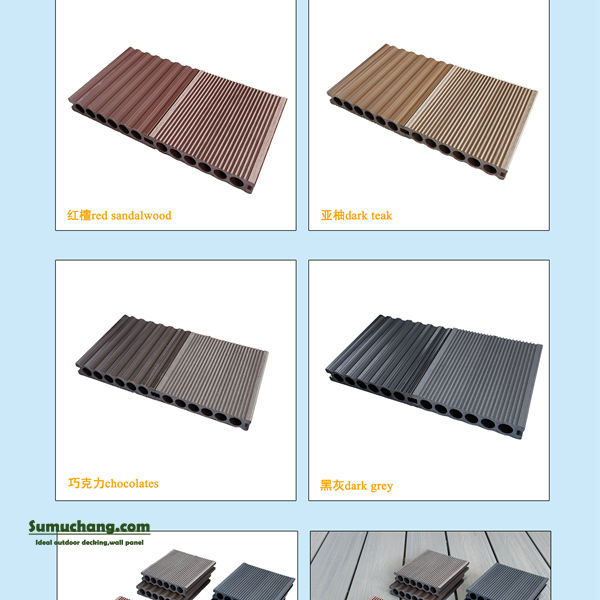
Before placing an order, it is essential to confirm all specifications related to the 3D WPC wall cladding. This includes dimensions, colour options, surface finishes, and textures. Communicating clearly with the supplier ensures both parties have aligned expectations, reducing the likelihood of misunderstandings that might lead to costly errors.

Many manufacturers offer customisation options, allowing clients to tailor products to specific project requirements. Therefore, it is wise to explore these possibilities thoroughly. Confirming the minimum order quantities for bespoke orders is also critical, as this can impact project timelines and budgets significantly.
Avoiding Common Purchasing Risks
Purchasing WPC wall cladding from overseas manufacturers can present certain risks that require careful navigation. One common issue is the potential for language barriers, which can lead to miscommunications. Engaging a knowledgeable local representative or using multilingual platforms can alleviate this problem. Additionally, securing a comprehensive purchase agreement that outlines payment terms, delivery schedules, and warranties can provide essential protection against potential disputes.
It is also advisable to request samples before finalising a large order. This practice allows buyers to assess the quality, texture, and overall aesthetics of the 3D WPC wall cladding, ensuring that it aligns with their vision for the project. By taking these precautions, buyers can safeguard their investments and enjoy the numerous benefits that 3D WPC wall cladding brings to exterior designs.