 English
  Español
  Français
  Português
  Deutsch
  Italiano
  Русский
  العربية
  简体中文
简体中文  香港中文
香港中文  한국어
한국어  日本語
日本語  Türkçe
  Nederlands
  Bahasa Indonesia
 is composite decking stronger than wood for enhanced durability
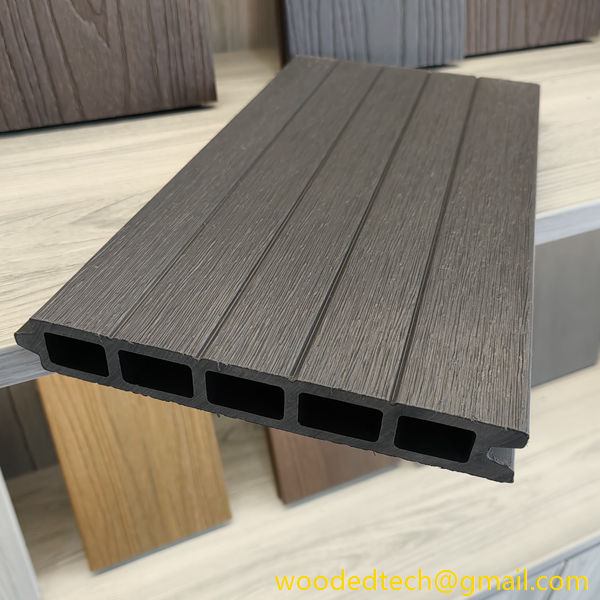
Composite decking has gained significant popularity in recent years, particularly among homeowners and builders looking for durable and low-maintenance alternatives to traditional wood decking. As its name suggests, composite decking is made from a combination of materials, primarily wood fibers and plastic. This unique composition gives composite decking several advantages over natural wood, particularly in terms of strength and durability.
One of the most notable benefits of composite decking is its enhanced resistance to the elements. Traditional wood decks are often susceptible to weather-related damage, including warping, cracking, and splitting. These issues can arise due to exposure to moisture, sunlight, and temperature fluctuations. Composite decking, on the other hand, is engineered to withstand these environmental challenges. The plastic component in composite materials acts as a protective barrier against moisture, preventing rot and decay that can plague wood decks over time. This characteristic makes composite decking particularly appealing for regions with high humidity or frequent rainfall.

Another factor contributing to the strength of composite decking is its resistance to pests. Wood decks are attractive to insects such as termites, which can cause significant structural damage. In contrast, the synthetic materials used in composite decking are not appealing to these pests, reducing the likelihood of infestations. This inherent resistance not only enhances the longevity of the deck but also minimizes the need for chemical treatments that are often required to protect wood from insect damage.
In addition to its resistance to moisture and pests, composite decking is also less prone to fading and staining compared to wood. Natural wood often requires regular maintenance, including staining or sealing, to preserve its appearance and protect it from the elements. Composite decking manufacturers typically include UV stabilizers in their products, which help maintain the color and finish over time. This means that homeowners can enjoy their outdoor spaces without the constant worry of discoloration or stains from spilled food and drinks.
When comparing the structural integrity of composite decking to that of wood, it is essential to consider the overall strength and flexibility of the materials. Composite decking is designed to endure heavy loads and resist bending or breaking under pressure. This strength is particularly advantageous for outdoor spaces that may see high foot traffic or heavy furniture. Traditional wood, while strong in its own right, can be more susceptible to bending or cracking under similar conditions, especially if it has not been properly maintained or if it has been exposed to harsh weather for extended periods.
Another consideration is the weight of the materials. Composite decking tends to be heavier than most wood options, which can add stability to the structure. While the weight can make installation more challenging, it also contributes to the overall strength and durability of the deck once installed. A heavier material is less likely to shift or warp over time, ensuring that the deck remains level and secure.

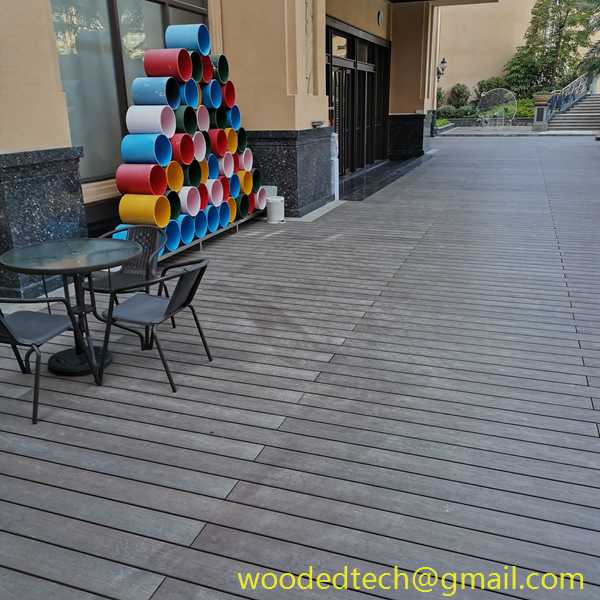
Some may argue that wood offers a classic aesthetic that composite materials cannot replicate. However, advancements in composite technology have led to the development of products that closely resemble the look of natural wood while still providing the benefits of enhanced durability. Many homeowners find that the realistic wood-like finishes available in composite decking can complement their outdoor design while offering the peace of mind that comes with a more durable product.
Another area where composite decking excels is in its maintenance requirements. Natural wood requires regular upkeep, including sanding, staining, and sealing, to maintain its appearance and structural integrity. This ongoing maintenance can be time-consuming and costly over the life of the deck. In contrast, composite decking typically requires little more than occasional cleaning with soap and water to keep it looking its best. This low-maintenance aspect is particularly appealing to busy homeowners who want to enjoy their outdoor spaces without the burden of constant upkeep.
The environmental impact of both materials is also worth noting in this discussion. While traditional wood is a renewable resource, the sourcing of timber can lead to deforestation and habitat destruction if not managed sustainably. Composite decking, made from reclaimed wood fibers and recycled plastics, offers a more environmentally friendly alternative. By choosing composite materials, homeowners can reduce their carbon footprint while still enjoying the benefits of a durable and attractive outdoor space.
When evaluating the strength and durability of composite decking compared to wood, it becomes clear that composite materials offer several advantages. Their resistance to moisture, pests, fading, and staining positions them as a superior option for homeowners seeking longevity in their outdoor spaces. Additionally, the low maintenance requirements and environmental benefits further enhance the appeal of composite decking.
In the competitive market of outdoor building materials, the demand for composite decking continues to grow. As more homeowners become aware of its advantages, it is likely that composite products will increasingly dominate the market. Builders and contractors who embrace this trend can better serve their clients by offering durable and aesthetically pleasing outdoor solutions that stand the test of time. With advancements in technology and ongoing innovations, composite decking is poised to remain a strong choice for those looking to invest in durable outdoor spaces for years to come.