 English
  Español
  Français
  Português
  Deutsch
  Italiano
  Русский
  العربية
  简体中文
简体中文  香港中文
香港中文  한국어
한국어  日本語
日本語  Türkçe
  Nederlands
  Bahasa Indonesia
 is composite decking slippery for safe outdoor use
Composite decking has gained popularity as an alternative to traditional wood decking due to its durability and lower maintenance requirements. However, one of the primary concerns that homeowners and builders have when considering composite decking is its potential slipperiness, especially when wet. Understanding the material properties of composite decking can provide valuable insights into its safety for outdoor use.
Composite decking is primarily made from a mixture of wood fibers and plastic materials, which gives it certain advantages over natural wood. The manufacturing process often involves adding various additives that enhance its performance, including UV inhibitors, anti-fungal agents, and color stabilizers. These properties contribute to the longevity of composite decking, making it resistant to rotting and splintering, which are common issues with traditional wood decks.

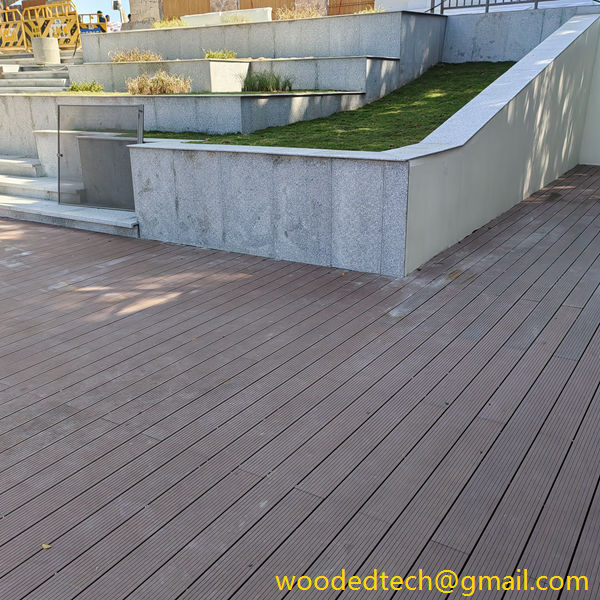
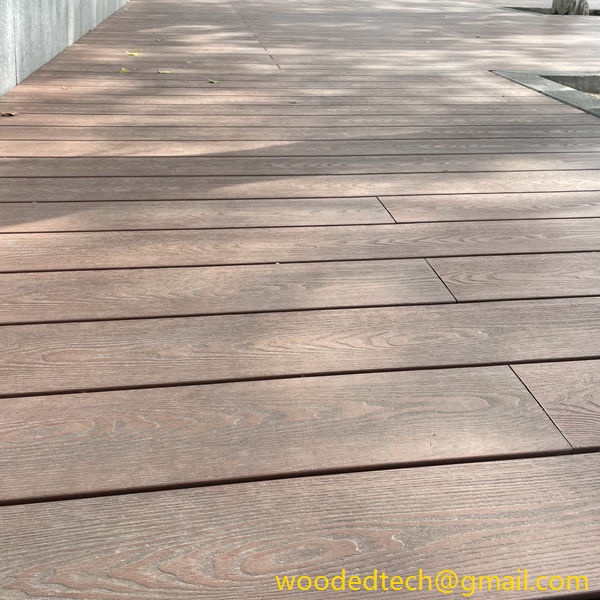
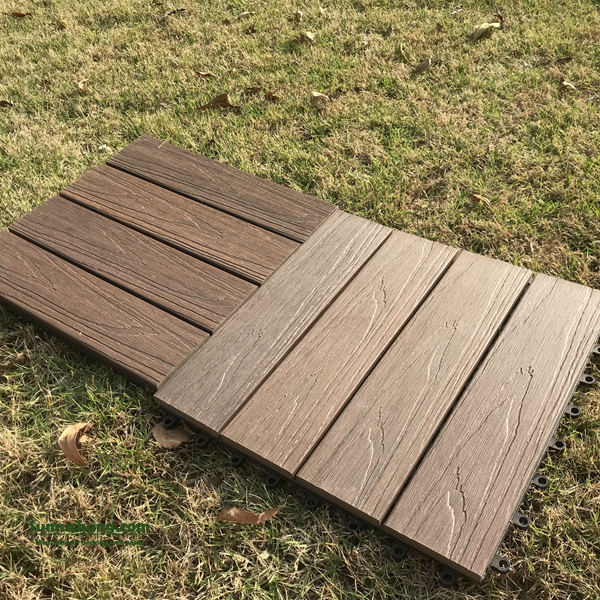
One of the key factors that affect the slip resistance of composite decking is its surface texture. Many manufacturers design their products with textured surfaces that improve grip. This is particularly important in outdoor environments where moisture can accumulate, making surfaces slippery. Textured finishes can provide adequate traction, helping to minimize the risk of slips and falls.
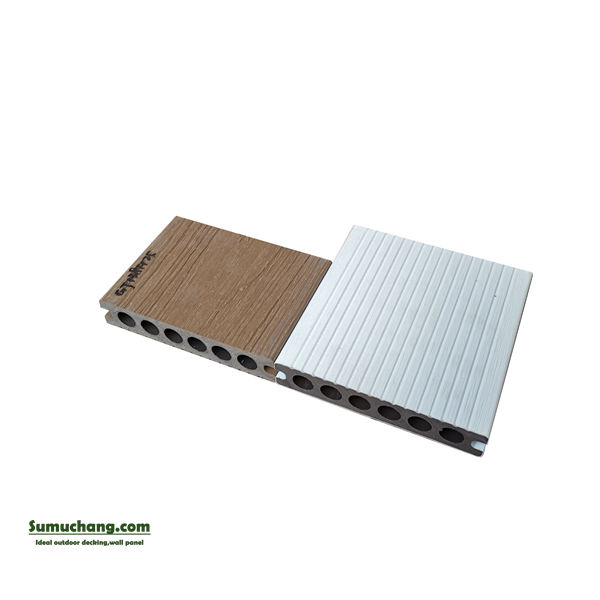
Another critical aspect of composite decking is its water absorption rate. Unlike wood, which can absorb moisture and lead to a slippery surface when wet, composite materials typically have a lower water absorption rate. This means that composite decking does not retain water as easily, thus reducing the likelihood of a slippery surface during rain or after cleaning. Some composites even feature drainage channels or grooves that help direct water away from the surface, further enhancing safety.
It is essential to consider the environmental conditions in which composite decking will be used. In areas with high humidity or frequent rainfall, the risk of slipperiness increases. While composite decking is designed to be water-resistant, algae and mold can still develop on its surface if it is not adequately cleaned and maintained. This growth can create slick conditions, making it imperative for homeowners to regularly clean their decks to maintain safety.
Additionally, the color and finish of composite decking can influence its slip resistance. Darker colors tend to absorb more heat, which can lead to increased surface temperatures, causing discomfort when walking barefoot. However, lighter colors may show dirt and debris more readily, which can also contribute to slipperiness if not cleaned regularly. Homeowners need to balance aesthetic preferences with practical considerations regarding safety.

For those seeking to enhance the slip resistance of composite decking, there are several options available. Applying non-slip coatings or treatments can provide an additional layer of safety. These products are designed to increase friction and improve traction, particularly in areas that may be exposed to water or spills. Some manufacturers also offer composite decking products that come with built-in slip-resistant features, which can be an advantageous choice for safety-conscious consumers.
When selecting composite decking for outdoor use, it is advisable to consult the manufacturer’s specifications. Many companies provide detailed information about the slip resistance of their products, often measured using standardized testing methods. Look for decks that meet or exceed safety standards for slip resistance, as this can provide peace of mind regarding safety.
In addition to the material properties of composite decking, proper installation plays a crucial role in ensuring safety. Decking boards should be installed with adequate spacing to allow for drainage and airflow, minimizing water accumulation on the surface. Furthermore, ensuring that the deck is level and free from debris will help reduce the risk of slips and falls.
For homeowners with young children or elderly individuals, it may be worthwhile to consider additional safety measures, such as the installation of handrails or non-slip mats in high-traffic areas. These precautions can further enhance safety while enjoying outdoor living spaces.
In summary, composite decking can be a safe choice for outdoor use when considering material properties such as slip resistance, water absorption, and surface texture. Regular maintenance and proper installation are essential for minimizing the risks associated with slipperiness. Ultimately, by choosing high-quality composite decking and taking appropriate safety measures, homeowners can create a beautiful and functional outdoor space that is safe for all users.