 English
  Español
  Français
  Português
  Deutsch
  Italiano
  Русский
  العربية
  简体中文
简体中文  香港中文
香港中文  한국어
한국어  日本語
日本語  Türkçe
  Nederlands
  Bahasa Indonesia
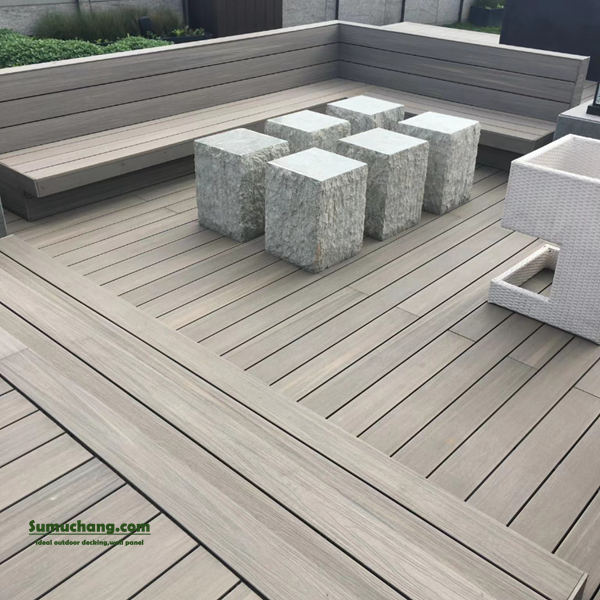
 As outdoor living spaces continue to gain popularity, homeowners are increasingly looking for materials that combine durability, aesthetic appeal, and comfort. Composite decking has emerged as a preferred choice for many, especially due to its ability to remain cool underfoot even on the hottest days. This feature is particularly appealing for families with children and pets, as it provides a safe and enjoyable environment for outdoor activities.
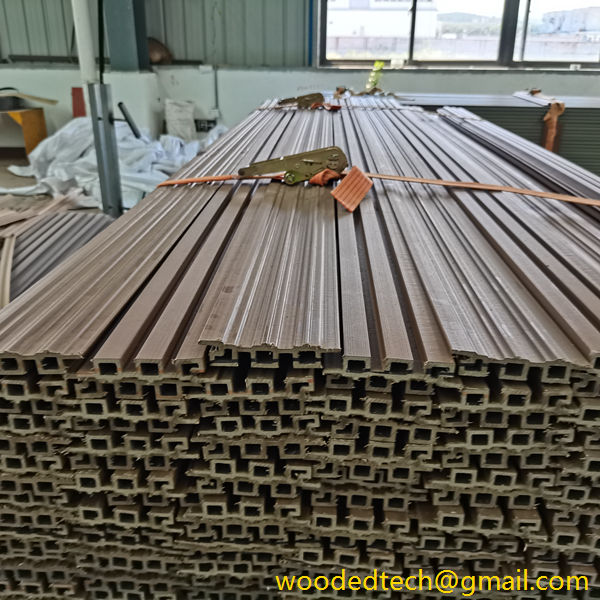
One of the primary advantages of composite decking is its innovative material composition, which often includes a blend of recycled wood fibers and plastic. This combination not only enhances the durability and longevity of the product but also contributes to its temperature regulation properties. Unlike traditional wood decks that can absorb heat, composite materials are engineered to reflect sunlight, keeping the surface cooler. This is particularly beneficial in regions with high temperatures, where homeowners want to maximize their outdoor enjoyment without the discomfort of hot surfaces.
From a global perspective, the distribution of composite decking production is quite interesting. Major manufacturing hubs are strategically located in regions that possess abundant raw materials and access to advanced technology. Countries in North America, Europe, and parts of Asia are leading the way in composite decking production. This geographical distribution allows for efficient supply chains, making it easier for manufacturers to deliver their products to various markets.

In North America, for instance, the availability of recycled materials has bolstered the growth of the composite decking industry. Many manufacturers source their raw materials locally, which not only supports the economy but also minimizes transportation costs and reduces carbon footprints. Additionally, the technological advancements in manufacturing processes have enabled producers to create high-quality composite decking that is both cost-effective and environmentally friendly.
European manufacturers, on the other hand, often emphasize design and aesthetics, catering to a market that values style as much as functionality. The competition in the European market has led to continuous innovation, resulting in a variety of colors, textures, and finishes that appeal to a discerning clientele. This emphasis on design can be a significant factor for homeowners looking to enhance their outdoor spaces while maintaining a cohesive look with their home’s architecture.
The pricing dynamics of composite decking are influenced by several factors, including raw material costs, manufacturing processes, and market demand. While the initial investment in composite decking may be higher than that of traditional wood, its long-term benefits often justify the expense. Homeowners can enjoy reduced maintenance costs, as composite decking does not require staining, sealing, or regular painting. Furthermore, the durability of composite materials means they are less prone to warping, splintering, or fading, leading to significant savings over time.
In regions where composite decking is produced at scale, manufacturers can leverage economies of scale to offer competitive pricing. For instance, large production facilities that utilize advanced machinery can lower production costs, allowing them to pass those savings onto consumers. This pricing advantage can make composite decking an attractive option for those looking to build or renovate outdoor spaces without breaking the bank.

Another critical aspect of the price advantage lies in the growing competition among manufacturers. As more companies enter the composite decking market, the variety of options available has increased, leading to competitive pricing strategies. Homeowners are now presented with a wider range of choices, from budget-friendly options to premium products that offer advanced features. This competition also drives innovation, as companies strive to differentiate their offerings through unique designs and superior performance.
Sustainability is another important consideration for modern homeowners. With increasing awareness of environmental issues, many consumers are opting for materials that align with their values. Composite decking, which is often made from recycled materials and is recyclable itself, appeals to eco-conscious buyers. This growing emphasis on sustainability can also impact pricing structures, as manufacturers who prioritize environmentally friendly practices may attract a loyal customer base willing to invest in green products.
In the quest for the perfect outdoor space, composite decking stands out as a material that not only enhances comfort but also offers practical and aesthetic advantages. Its ability to remain cool underfoot makes it an ideal choice for those hot summer days, providing a safe and enjoyable environment for family gatherings or quiet evenings. With a diverse range of options available in the market, and with the added benefits of sustainability and reduced maintenance costs, composite decking represents a smart investment for any homeowner looking to elevate their outdoor experience. Whether for entertaining guests or simply enjoying a quiet moment in nature, composite decking is a choice that combines functionality, style, and comfort seamlessly.