 English
 Español
 Français
 Português
 Deutsch
 Italiano
 Русский
 العربية
 简体中文
 香港中文
 한국어
 日本語
 Türkçe
 Nederlands
 Bahasa Indonesia
Inspection Starts Before the Boards Reach the Packing Line
Composite decking for outdoor shower areas must cope with repeated wetting, bare feet, cleaning products and changing temperatures. A quality inspection supervisor checks that each production batch meets its agreed specification before shipment, rather than relying on a final visual glance. The inspection plan should identify the board profile, colour, surface finish, target dimensions and acceptance limits, with samples taken from defined points in the production run. Results are recorded against the batch so that any variation can be traced to its source.
Testing begins with representative boards conditioned to a consistent temperature. Measuring tools are checked for accuracy, and inspectors confirm that samples are not damaged or unusually short. Where a customer specification or recognised test method sets the procedure, that document governs the work. This matters because a result is useful only when the sample, test conditions and acceptance criteria are consistent. A product intended for a garden shower may also need closer scrutiny of drainage gaps, surface texture and installation details than boards supplied for a covered balcony.
Dimensional Accuracy and Density
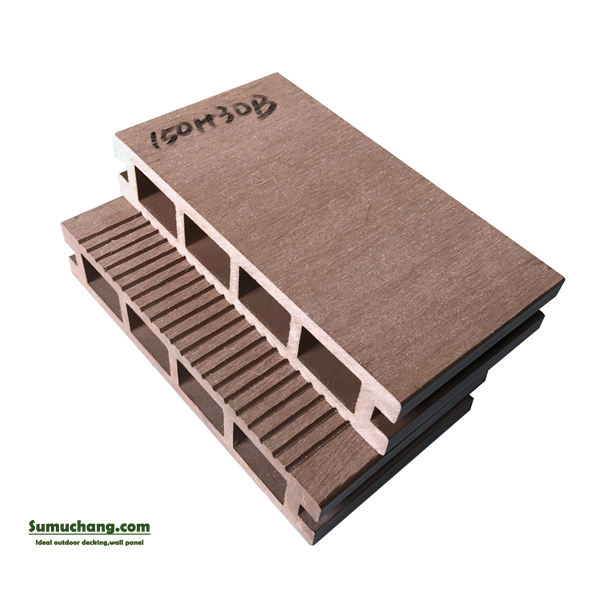
Inspectors measure board width, thickness and length at several points, checking both the ends and the middle. A calliper, steel rule or suitable measuring gauge reveals whether dimensions fall within tolerance and whether the profile remains consistent along the board. They also check straightness and squareness, since a board that varies in width or bows noticeably can create uneven gaps and slow installation. These checks help confirm that boards will fit the specified clips or fixing system without forcing installers to compensate on site.
Density testing provides another view of material consistency. A measured specimen is weighed and its volume determined, then the result is compared with the factory specification and previous batches. Density alone does not prove that a board will perform well, but unexpected variation can signal inconsistent mixing, voids or changes in the wood fibre and polymer proportions. Inspectors may examine cut sections as well, looking for internal cavities, poor fusion or a core that differs markedly from the approved sample. Findings are logged before the batch is released.
Impact, Water Absorption and Colour Stability
Impact resistance testing assesses how the board responds to a defined blow, often by dropping a specified weight from a controlled height onto a prepared sample. The inspector records cracking, chipping, denting or breakage and applies the acceptance limits set for that product. Test conditions must be repeated consistently because specimen temperature, support and impact position can affect the result. For shower surrounds and exposed garden paths, resistance to accidental knocks is relevant alongside the product’s intended load rating.
To assess water absorption, samples are weighed, immersed for a prescribed period and weighed again after surface water is removed in the manner required by the test method. The gain in mass indicates how much water entered the material. Excessive absorption can contribute to swelling, dimensional change or surface deterioration, so results are compared with the product limit rather than judged by appearance alone. Colour stability is assessed by exposing samples to controlled ultraviolet light or weathering conditions, then comparing them with protected reference pieces. Inspectors check for fading, uneven colour change, chalking and surface changes. This evidence helps set realistic expectations for composite decking for outdoor shower installations exposed to sun and spray.
Bending Strength and Surface Inspection
Bending strength testing places a board or specimen on supports and applies a measured load, commonly at a controlled rate, until the required test point or failure. The recorded load and deflection show whether the board meets the specified performance level. Support spacing and specimen dimensions must match the test procedure. Inspectors also look at failure behaviour: a clean break, excessive deflection or separation within the board may prompt further investigation, especially if the result differs from routine batch data.
Appearance inspection covers every visible surface and the profile edges. Under suitable lighting, inspectors look for scratches, stains, inconsistent embossing, colour bands, exposed fibres, resin-rich patches, chipped corners and production marks. They compare boards with the approved colour and texture reference, while recognising that minor variation may be permitted by the product specification. Boards with defects that could affect safety, installation or customer acceptance are separated and assessed rather than packed indiscriminately. Inspection records should identify defect type, quantity and disposition so recurring issues can be corrected at the production stage.
Release Checks for Outdoor Garden Projects
Before shipment, the supervisor reviews the test records alongside the packing list and confirms that inspected samples represent the goods being dispatched. Packaging is checked for protection against abrasion, moisture during transit and damage to board ends. Labels should identify the product, colour, batch and relevant handling information, allowing installers and distributors to match stock to project documents. A complete release record links the shipment to dimensional, mechanical, water and appearance results.
For modern garden spaces, dependable quality is the combination of repeatable manufacturing and clear inspection evidence. Buyers specifying composite decking for outdoor shower zones should confirm the intended use, maintenance guidance, drainage arrangement and fixing requirements with the supplier. Factory tests cannot replace correct design or installation, but they can identify batches that fall outside agreed limits before they reach the site. That discipline helps protect the finish, simplifies fitting and gives project teams a sound basis for specifying outdoor WPC products.