 English
  Español
  Français
  Português
  Deutsch
  Italiano
  Русский
  العربية
  简体中文
简体中文  香港中文
香港中文  한국어
한국어  日本語
日本語  Türkçe
  Nederlands
  Bahasa Indonesia
 When it comes to outdoor living spaces, composite deck tiles have gained significant popularity due to their durability, aesthetic appeal, and ease of installation and maintenance. These tiles are made from a blend of wood fibers and recycled plastic, which not only provides a natural look but also enhances their longevity. As global demand for sustainable building materials rises, manufacturers worldwide have expanded their production capacities, leading to a diverse range of composite deck tiles that cater to varying consumer preferences and budgets.
The global distribution of composite deck tile production can be attributed to several factors, including raw material availability, labor costs, and technological advancements in manufacturing processes. Regions such as North America and Europe have established themselves as leaders in the composite decking market, primarily due to their innovative approaches to product development and a strong emphasis on quality. However, countries in Asia, particularly China and India, have emerged as significant players in the industry, offering cost-effective production options that appeal to budget-conscious consumers. This shift in production capabilities has not only made composite deck tiles more accessible but has also resulted in competitive pricing, allowing homeowners and contractors to choose from a wider array of products.
From a pricing perspective, the advantage of composite deck tiles lies in their long-term cost-effectiveness. While the initial investment may be higher than traditional wood decking, the reduced maintenance requirements and increased durability offer significant savings over time. Composite materials are resistant to rot, splintering, and insect damage, which means that homeowners do not need to worry about regular treatments or replacements. This durability translates into lower maintenance costs, as the composite tiles can simply be cleaned with soap and water, eliminating the need for expensive sealants or stains that wood decks typically require.
Additionally, the price advantage is further amplified by the growing competition among manufacturers. As more companies enter the composite decking market, they strive to differentiate their products through innovation and price reductions. This competitive landscape not only benefits consumers by providing them with a variety of choices but also encourages manufacturers to invest in research and development to improve the quality and performance of their products. The result is a continuously evolving market where consumers can find high-quality composite deck tiles at various price points to fit their budget.

Another noteworthy aspect of composite deck tiles is their environmental impact. With increasing awareness of sustainability, many manufacturers have made significant strides in using recycled materials in their products. This not only helps reduce waste but also positions composite deck tiles as an eco-friendly alternative to traditional decking materials. The emphasis on sustainability resonates with environmentally conscious consumers, further driving the demand for these products. As more manufacturers adopt sustainable practices, the price of composite deck tiles is likely to remain competitive, making them an attractive option for a wide range of customers.
When selecting the best composite deck tiles for easy installation and maintenance, several factors come into play. First and foremost, the interlocking design of many composite deck tiles allows for straightforward installation, often requiring no specialized tools or skills. This ease of installation is a significant advantage for DIY enthusiasts looking to enhance their outdoor spaces without hiring professional help. The ability to quickly and efficiently lay down tiles not only saves time but also reduces labor costs, further increasing the overall value of the investment.

Moreover, the low-maintenance nature of composite deck tiles is a crucial factor for busy homeowners. Unlike wood decks that require regular staining, sealing, and repairs, composite tiles offer a hassle-free experience. Their resistance to fading and staining means that they maintain their appearance over time, allowing homeowners to enjoy their outdoor spaces without the worry of constant upkeep. This aspect is particularly appealing for those with hectic lifestyles or those who prefer to spend their weekends enjoying their decks rather than working on them.
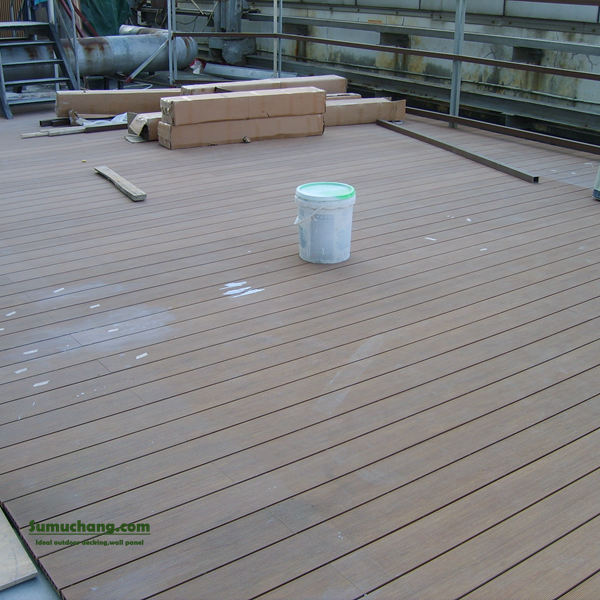
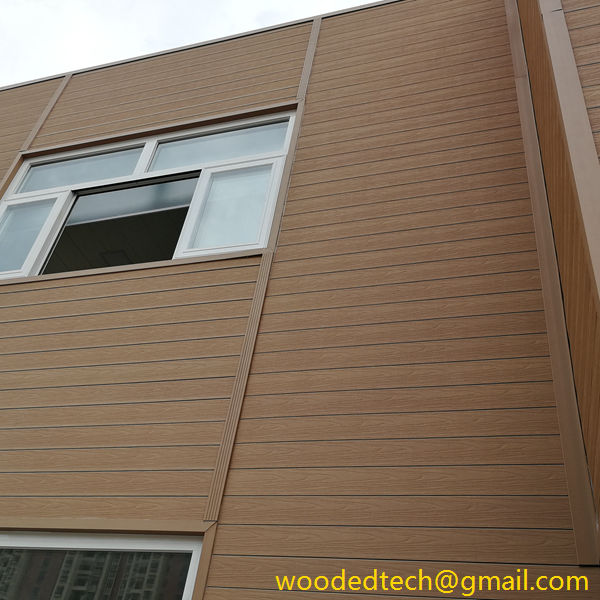
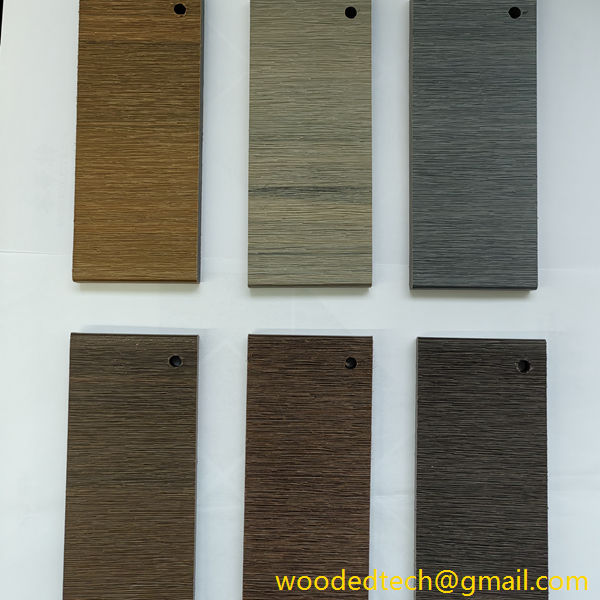
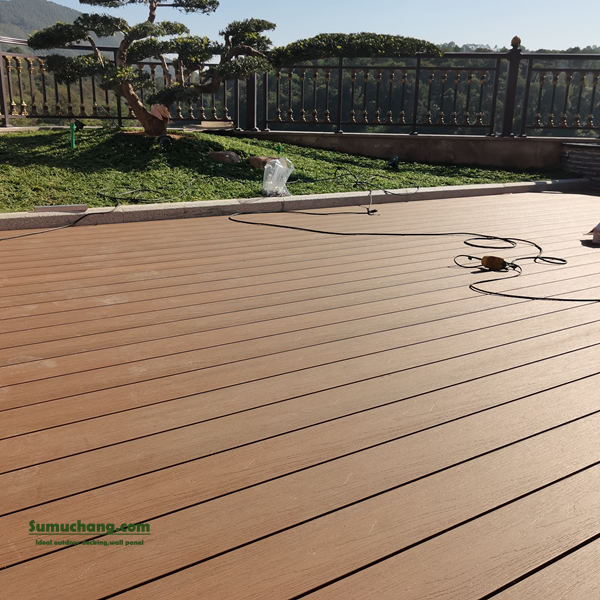
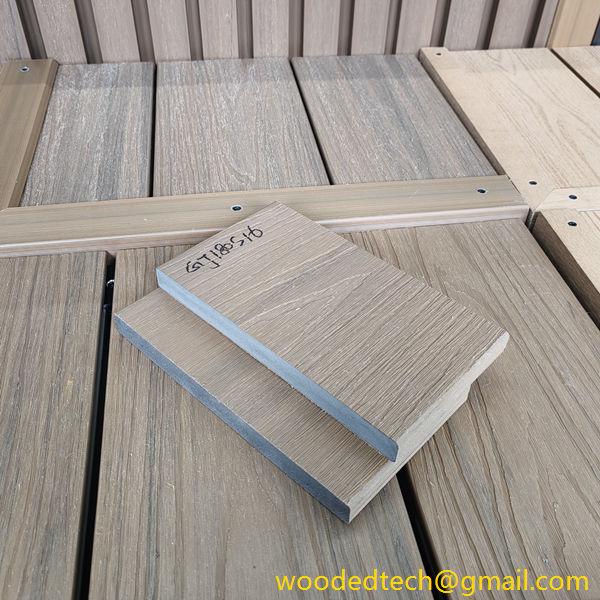
In terms of aesthetics, composite deck tiles come in a variety of colors, textures, and styles, allowing homeowners to customize their outdoor areas to reflect their personal tastes. The realistic wood-like appearance of many composite options ensures that consumers do not have to sacrifice beauty for functionality. This versatility makes composite deck tiles suitable for various applications, from residential patios and balconies to commercial spaces and public parks.
In light of the global capacity distribution and price advantages, composite deck tiles offer a compelling choice for anyone looking to enhance their outdoor living experience. With their easy installation, minimal maintenance requirements, and wide range of aesthetic options, they are well-suited for today’s discerning consumers who seek both quality and value in their home improvement projects. Embracing the advancements in technology and sustainability, composite deck tiles represent a modern solution that meets the demands of contemporary living.