 English
  Español
  Français
  Português
  Deutsch
  Italiano
  Русский
  العربية
  简体中文
简体中文  香港中文
香港中文  한국어
한국어  日本語
日本語  Türkçe
  Nederlands
  Bahasa Indonesia
 Embossed wood plastic composite (WPC) decking has emerged as a popular choice for textured outdoor surfaces, primarily due to its unique combination of aesthetics, durability, and ease of maintenance. This innovative material is manufactured by blending wood fibers with thermoplastic polymers, resulting in a product that mimics the appearance of natural wood while providing enhanced performance characteristics. The production process of embossed WPC decking involves several key stages, each contributing to the final quality and functionality of the product.
The first step in the manufacturing process is the selection and preparation of raw materials. Wood fibers, typically derived from recycled wood products, are mixed with thermoplastic resins such as polyethylene or polypropylene. These polymers are chosen for their excellent weather resistance and durability. The wood fibers are processed to achieve a consistent size and moisture content, which is crucial for ensuring uniformity in the final product. Proper preparation of these materials is essential, as it directly impacts the mechanical properties and aesthetic qualities of the embossed WPC decking.
Once the raw materials are prepared, they undergo a blending process. This involves combining the wood fibers with the thermoplastic resins in a controlled environment to create a homogeneous mixture. The blending process is critical, as it determines the distribution of wood fibers within the polymer matrix. The mixture is then subjected to heat and pressure in an extruder, which melts the thermoplastic and allows for thorough incorporation of the wood fibers. The extrusion process not only shapes the decking but also helps in achieving the desired density and strength characteristics.

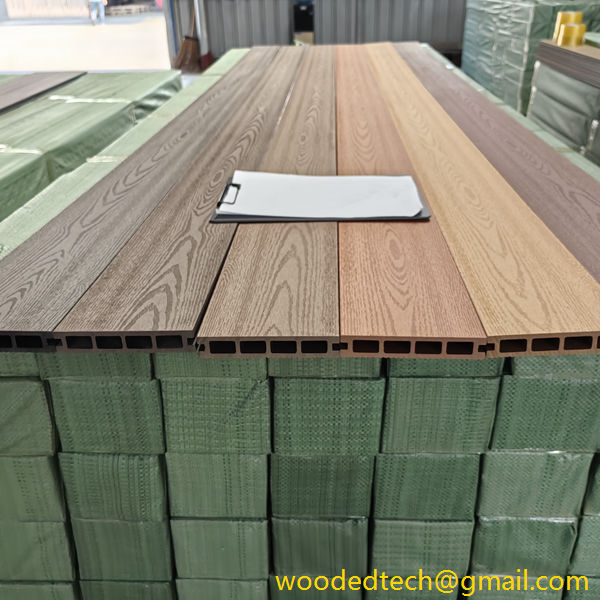
Following extrusion, the WPC decking boards are cooled and cut to specified lengths. At this stage, the surface of the boards can be treated to create various textures and finishes. Embossing is a popular technique used to enhance the aesthetic appeal of the decking. This process involves using heat and pressure to imprint a texture onto the surface of the boards, simulating the look and feel of natural wood grain. The embossed patterns can vary widely, from subtle textures to deep grooves, allowing for a range of design options that cater to different tastes and architectural styles.
The embossed surface not only enhances the visual appeal of the decking but also serves practical purposes. Textured surfaces provide increased slip resistance, making them safer for outdoor use, especially in wet conditions. This feature is particularly important for decks that are exposed to rain or moisture, as it reduces the risk of accidents. Additionally, the textured surface helps to conceal dirt and scratches, maintaining the aesthetic integrity of the decking over time.
After the embossing process, the WPC decking boards undergo a series of finishing treatments. These treatments may include the application of protective coatings that enhance UV resistance and prevent fading from sunlight exposure. Other treatments can improve stain resistance and make the material easier to clean, thus reducing the need for frequent maintenance. The finishing process is vital to ensuring that the decking retains its appearance and performance characteristics throughout its lifespan.

Quality control is an integral part of the production process for embossed WPC decking. Each batch of decking is tested for various properties, including tensile strength, impact resistance, and moisture absorption. These tests ensure that the final product meets industry standards and consumer expectations. By implementing rigorous quality control measures, manufacturers can provide a reliable and durable decking solution that stands up to the challenges of outdoor environments.
The environmental impact of producing embossed WPC decking is also a consideration for manufacturers. By utilizing recycled wood materials and thermoplastics, the production process helps to reduce waste and promote sustainability. This eco-friendly approach appeals to consumers who are increasingly conscious of their environmental footprint. Moreover, the longevity of WPC decking means that it does not need to be replaced as frequently as traditional wood decking, further contributing to its sustainability.
In the competitive market of outdoor flooring solutions, embossed WPC decking stands out for its blend of beauty and practicality. As technology advances, manufacturers continue to innovate within the production process, leading to improved formulations and enhanced performance characteristics. This evolution ensures that embossed WPC decking remains a leading choice for homeowners and designers looking for stylish, durable, and sustainable outdoor surfaces. The ongoing development of new textures, colors, and finishes expands the creative possibilities for outdoor spaces, making embossed WPC decking an attractive option for a wide range of applications.