 English
  Español
  Français
  Português
  Deutsch
  Italiano
  Русский
  العربية
  简体中文
简体中文  香港中文
香港中文  한국어
한국어  日本語
日本語  Türkçe
  Nederlands
  Bahasa Indonesia
 Achieve a Natural Look with Plastic Cladding That Looks Like Wood
Achieving a natural look with plastic cladding that mimics the appearance of wood is an exciting development in the field of materials production. As the demand for sustainable building materials continues to rise, manufacturers are focusing on creating products that not only provide aesthetic appeal but also offer durability and low maintenance. This article delves into the production processes that enable plastic cladding to resemble wood while highlighting its advantages over traditional wood siding.
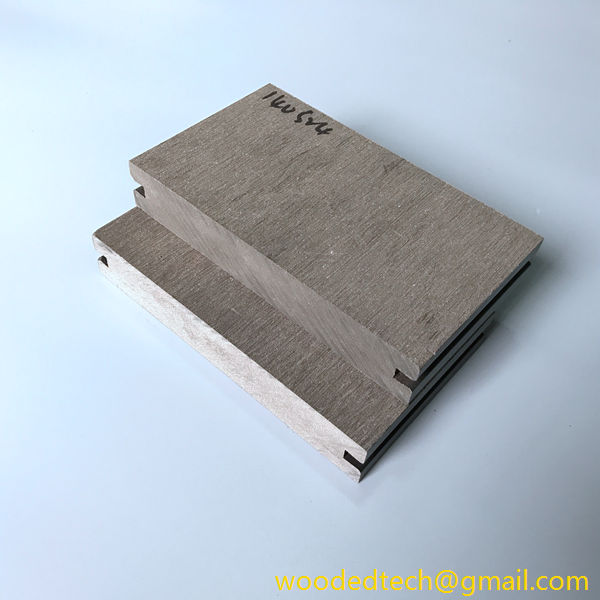
The first step in producing plastic cladding that looks like wood involves selecting the right materials. High-density polyethylene and polyvinyl chloride are commonly used due to their strength, resistance to moisture, and versatility. These materials can be easily molded and extruded into various shapes, allowing for a wide range of designs that emulate the texture and grain of real wood. Manufacturers often incorporate additives that enhance the material’s UV resistance, ensuring that the cladding maintains its color and appearance over time, even when exposed to harsh weather conditions.
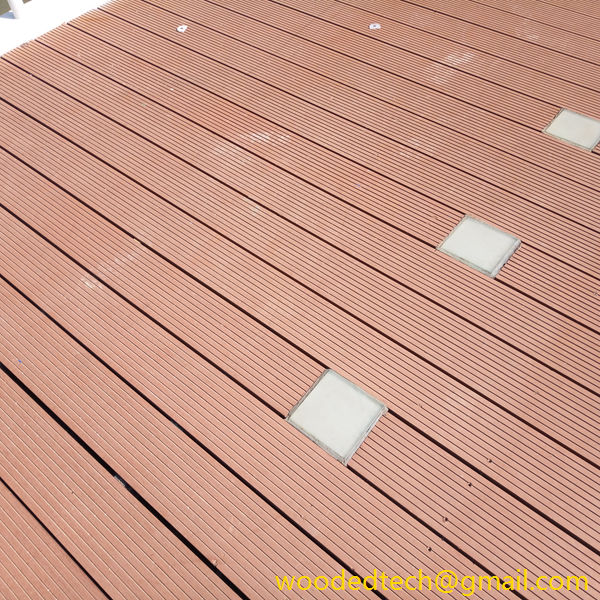
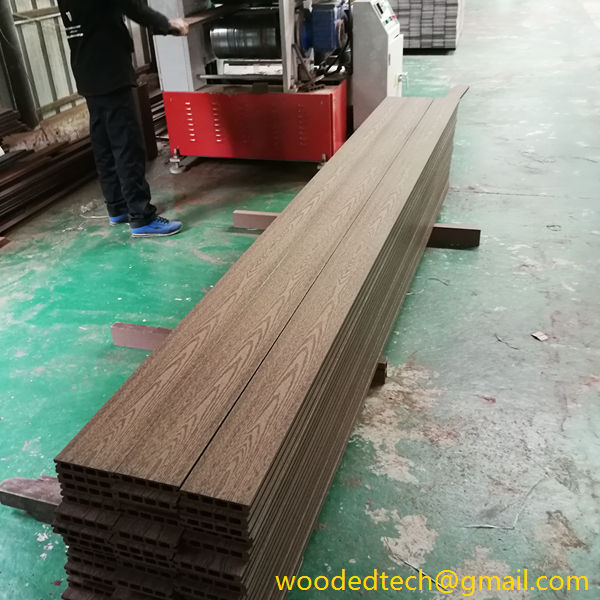
Once the base material is chosen, the production process begins with the creation of wood-like textures. This is achieved through a technique called embossing, where heat and pressure are applied to the surface of the plastic to create grooves and patterns that mimic the natural grain of wood. Advanced technology allows for intricate designs to be stamped onto the surface, providing a realistic finish that can easily fool the eye. Some manufacturers even use digital printing techniques to replicate the color variations found in natural wood, offering a variety of options for homeowners looking to achieve a specific aesthetic.
After the surface texture is applied, the cladding goes through a coloring process. This can involve mixing pigments into the plastic during the extrusion phase or applying a layer of paint or stain to the surface. The choice of coloring method can affect the final appearance and durability of the product. For instance, through-mixed colors tend to be more resistant to fading since the color is integrated throughout the material, whereas surface-applied colors may require more maintenance over time.

The next crucial step in the production process is ensuring that the cladding is designed for easy installation and long-lasting performance. Many plastic cladding products are engineered with interlocking systems or tongue-and-groove designs that facilitate seamless installation. This not only enhances the aesthetic appeal but also minimizes the risk of water infiltration, which can lead to mold and decay in traditional wood siding. Additionally, manufacturers often provide detailed installation guidelines to ensure that contractors can achieve the best results.
Durability is a key selling point for plastic cladding. Unlike natural wood, which can be susceptible to rot, insects, and warping, plastic cladding is engineered to withstand the elements. Its resistance to moisture means that it will not expand or contract with changes in temperature and humidity, making it an ideal choice for various climates. Furthermore, the low maintenance requirements of plastic cladding are appealing to homeowners. Unlike wood, which may require regular painting or staining to maintain its appearance, plastic cladding can be easily cleaned with soap and water, making it a hassle-free option.

Another significant advantage of plastic cladding that looks like wood is its environmental impact. As sustainability becomes an increasingly important consideration in construction, many manufacturers are turning to recycled materials to create their products. By incorporating post-consumer plastics in the production process, they can significantly reduce waste and lower their carbon footprint. This approach not only helps conserve natural resources but also appeals to environmentally conscious consumers who seek sustainable building solutions.
The production of plastic cladding that resembles wood is a testament to the advancements in materials technology. Through innovative processes such as embossing and digital printing, manufacturers can create products that capture the beauty of natural wood while providing the benefits of durability and low maintenance. With its environmentally friendly production methods and resistance to the elements, plastic cladding presents a compelling alternative to traditional wood siding. As homeowners continue to seek out materials that combine aesthetics with practicality, plastic cladding is poised to become a popular choice in the construction industry. The ability to achieve a natural look without sacrificing performance makes it an attractive option for modern building projects, ensuring that the allure of wood can be enjoyed without the associated challenges.