 English
  Español
  Français
  Português
  Deutsch
  Italiano
  Русский
  العربية
  简体中文
简体中文  香港中文
香港中文  한국어
한국어  日本語
日本語  Türkçe
  Nederlands
  Bahasa Indonesia
 Choose the Right Composite Deck Boards for Your 12 Ft Project
When embarking on a 12-foot decking project, selecting the right composite deck boards is crucial for ensuring longevity, aesthetic appeal, and ease of installation and maintenance. Composite decking has gained popularity due to its durability, resistance to weather elements, and low maintenance requirements. However, with numerous options available, it is essential to consider various factors that will impact both the installation process and the long-term upkeep of your deck.
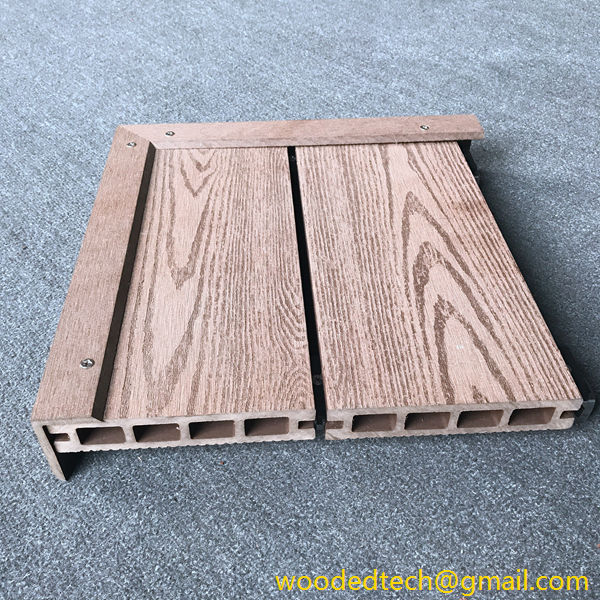
First, understanding the types of composite materials is vital. Composite deck boards are typically made from a mix of wood fibers and plastic, which provides the appearance of real wood while offering enhanced protection against moisture and pests. When selecting your boards, consider whether you prefer a capped composite, which has a protective polymer shell that resists fading and staining, or a non-capped option, which may be less expensive but requires more maintenance. Capped composites generally provide better durability and require less effort to keep looking new.

Another important aspect to consider is the board size and profile. For a 12-foot decking project, it is common to choose boards that are either 5.25 inches or 7 inches wide. The width of the boards can affect the overall look of your deck as well as the installation process. Wider boards can create a more seamless appearance and may reduce the number of seams, which can enhance the aesthetic appeal. However, they may also require more precise cutting and fitting during installation. Ensure that the chosen board size fits well within your project dimensions and complements your home’s architecture.
When it comes to color and texture, composite deck boards are available in a wide range of options. Consider the climate in your area when selecting a color, as darker colors can absorb more heat and may become uncomfortable underfoot in hot weather. Lighter colors tend to reflect heat but may show dirt and stains more readily. Additionally, the texture of the boards can affect how slippery they become when wet. Textured boards can provide better traction, making them a safer option for outdoor spaces.
Before installation, it is crucial to account for the foundation on which your composite deck will be built. A sturdy and level foundation is essential for a successful decking project. This may include concrete footings, a frame made of pressure-treated wood, or even existing patios. Ensure that the structure can support the weight of the composite boards and any additional features you plan to add, such as furniture or planters.

Proper installation is also key to maximizing the lifespan of your composite deck. Follow the manufacturer’s guidelines regarding spacing, fasteners, and support joists. Using the correct fasteners designed for composite materials is essential to prevent damage to the boards and ensure a secure fit. Many manufacturers offer hidden fastener systems that provide a clean look while allowing for natural expansion and contraction of the boards. Pay close attention to the spacing between the boards to allow for drainage and airflow.
Once installed, maintaining your composite deck is relatively straightforward, but it still requires some attention. Regular cleaning is crucial to prevent the buildup of dirt, debris, and mildew. Use a broom or leaf blower to remove loose debris, and periodically wash the surface with a mild soap solution and a soft-bristle brush. Avoid using harsh chemicals or pressure washers, as these can damage the protective surface of the boards.
In addition to cleaning, inspect your deck regularly for any signs of damage or wear. Look for loose boards, warped sections, or any areas that may have become discolored. Addressing minor issues promptly can prevent them from developing into larger problems that require expensive repairs. If you notice any significant damage, consult with a professional who specializes in composite decking to determine the best course of action.
Finally, consider applying a protective sealant specifically designed for composite materials if recommended by the manufacturer. This can help enhance the color and provide an additional layer of protection against the elements. However, be sure to follow the manufacturer’s recommendations regarding frequency and type of sealant, as not all composite boards require this treatment.
Choosing the right composite deck boards for your 12-foot project involves careful consideration of materials, size, color, and installation techniques. By paying attention to these factors and committing to proper maintenance, you can create a beautiful and functional outdoor space that will serve you well for years to come.