 English
  Español
  Français
  Português
  Deutsch
  Italiano
  Русский
  العربية
  简体中文
简体中文  香港中文
香港中文  한국어
한국어  日本語
日本語  Türkçe
  Nederlands
  Bahasa Indonesia
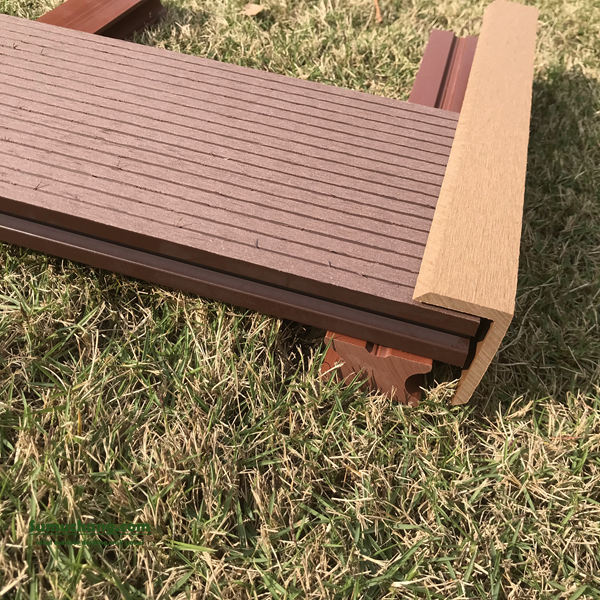
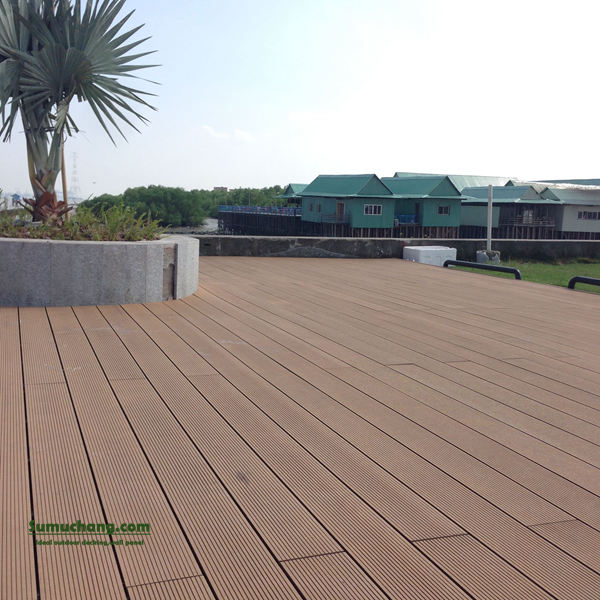
 Composite deck trim has become increasingly popular for homeowners and builders seeking a polished and finished look for outdoor spaces. The production process of composite materials plays a crucial role in the aesthetic and functional qualities of deck trims. Understanding this process can illuminate why composite deck trim is an excellent choice for enhancing the visual appeal and durability of deck installations.
The materials used in composite deck trim typically consist of a blend of wood fibers and plastic. This combination offers the visual warmth of natural wood while providing the resilience and low maintenance benefits associated with synthetic materials. The production process begins with the careful selection and preparation of raw materials. High-quality wood fibers, often sourced from recycled wood products, are combined with thermoplastics. This not only promotes sustainability but also ensures that the final product is both strong and aesthetically pleasing.
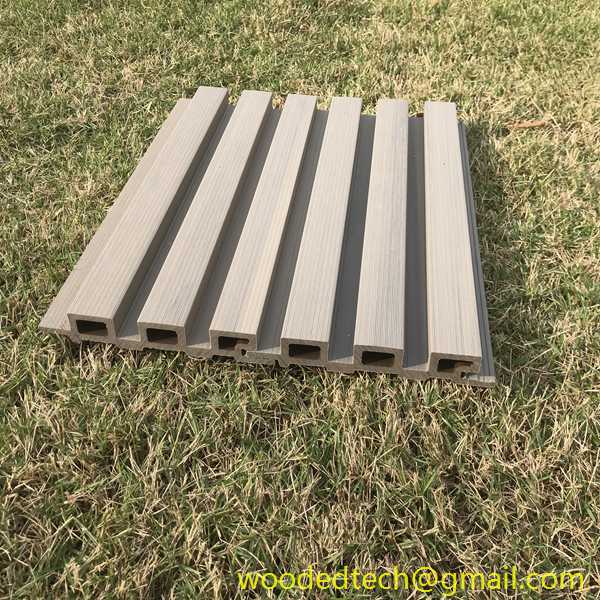
Once the raw materials are gathered, they undergo a process known as extrusion. During extrusion, the wood-plastic mixture is heated and forced through a die that shapes it into a continuous profile. This step is critical as it determines the dimensions and overall design of the composite deck trim. The extrusion process allows for a variety of shapes and sizes, providing designers and builders with flexibility in achieving the desired look for their projects.
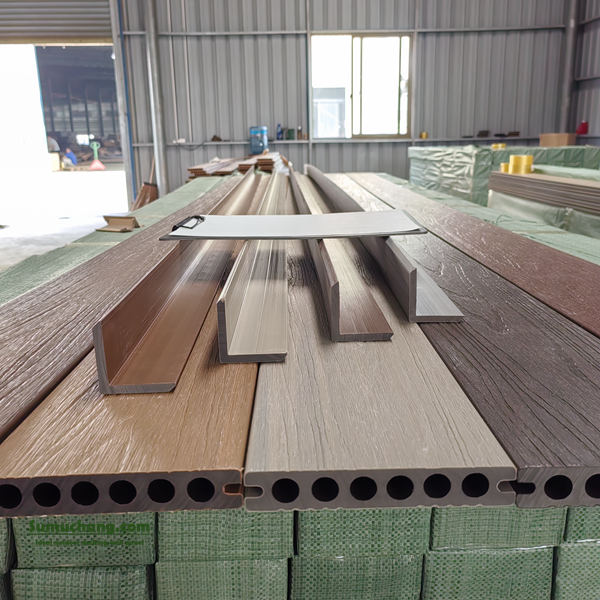
After extrusion, the composite material is cooled and cut into manageable lengths. It is at this stage that color and texture can be applied. Many manufacturers utilize advanced technologies to infuse color into the composite material during production. This technique ensures that the color runs throughout the material, reducing the risk of fading or chipping over time. Additionally, various finishes can be applied to enhance the texture, creating a more natural wood-like appearance. This attention to detail results in products that not only look refined but also stand up to the elements.
One of the significant advantages of composite deck trim is its resistance to common outdoor challenges such as moisture, UV rays, and pests. The manufacturing process incorporates additives that enhance these properties. For instance, UV stabilizers are included to protect against sun damage, while fungicides and insecticides help prevent rot and infestation. This ensures that the trim maintains its polished appearance without requiring frequent maintenance or replacement.
Moreover, the production process of composite materials emphasizes consistency and quality control. Manufacturers implement rigorous testing and inspection protocols to ensure that the final products meet industry standards. This commitment to quality translates into a reliable product that performs well over time. Homeowners can trust that their composite deck trim will not only look great upon installation but will also maintain its integrity and beauty for years to come.
Installation of composite deck trim is another area where its production characteristics shine. The lightweight nature of composite materials makes handling and cutting easier compared to traditional wood. This user-friendly aspect allows for quicker installation, reducing labor costs for builders and contractors. Many composite trims also feature interlocking systems or hidden fastening techniques that create a seamless look, enhancing the overall aesthetic of the deck.
In addition to its practical benefits, composite deck trim contributes to an eco-friendly building approach. The use of recycled materials in its production reduces the demand for virgin resources. Additionally, the longevity of composite materials means that fewer resources are spent on replacements and repairs throughout the life of the deck. Homeowners can feel good about their choice, knowing they are investing in a product that supports sustainability.

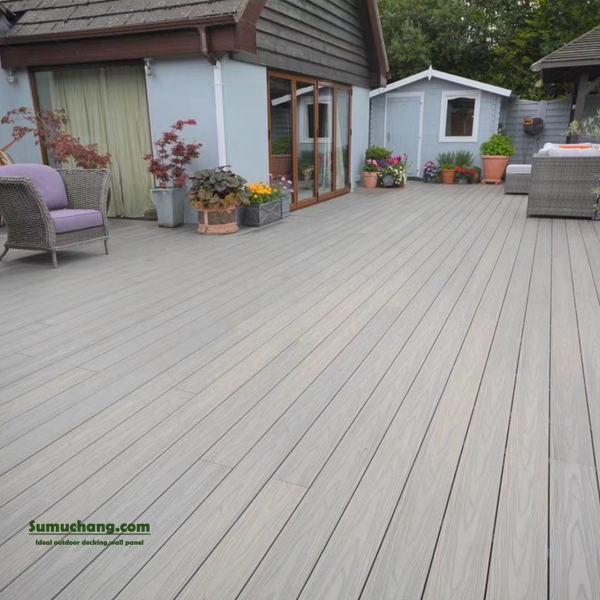
As design trends evolve, composite deck trim continues to adapt, offering a wide range of colors, textures, and finishes. This versatility allows homeowners to create personalized outdoor spaces that reflect their style and preferences. Whether opting for a sleek, modern look or a more traditional aesthetic, composite deck trim can complement various architectural styles.
The manufacturing process of composite deck trim is a testament to innovation in material science, combining the best features of wood and plastic to create a superior product. From the selection of high-quality materials to the advanced techniques employed during production, each step is designed to produce a durable, attractive, and low-maintenance solution for outdoor spaces. With its resistance to environmental factors, ease of installation, and eco-friendly attributes, composite deck trim is an excellent choice for those seeking a polished and finished look in their outdoor living areas. This product not only enhances the beauty of any deck but also provides lasting performance that homeowners can rely on for years to come.