 English
  Español
  Français
  Português
  Deutsch
  Italiano
  Русский
  العربية
  简体中文
简体中文  香港中文
香港中文  한국어
한국어  日本語
日本語  Türkçe
  Nederlands
  Bahasa Indonesia
 Composite decking has gained significant popularity in recent years due to its durability, aesthetic appeal, and low maintenance requirements. When considering the structural integrity of composite decking, one crucial factor is the spacing of the joists, which typically comes in two standard options: 12 inches on center and 16 inches on center. Understanding the production processes and material characteristics of composite decking can provide valuable insights into the implications of these spacing choices for structural integrity.
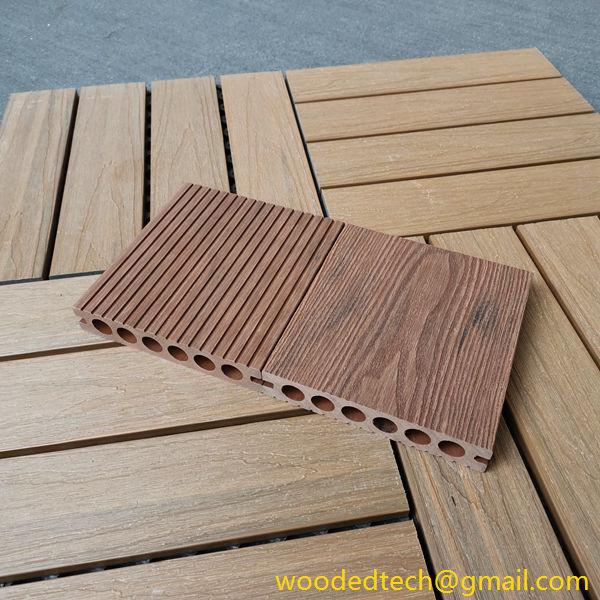
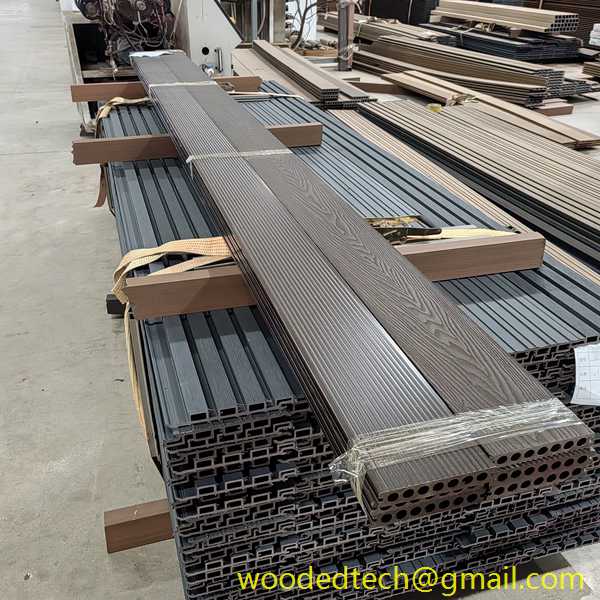
Composite decking is primarily made from a blend of wood fibers and plastic, which can be recycled or virgin materials. The manufacturing process involves several key stages, including mixing, extrusion, and finishing. During the mixing phase, wood fibers are combined with polymers, additives, and colorants to create a homogenous material that retains the natural appearance of wood while providing enhanced durability. This mixture is then extruded into boards of desired dimensions, where heat and pressure play critical roles in ensuring the material is compact and free of voids.

Once the boards are extruded, they undergo a series of finishing processes to enhance their surface qualities. This may include sanding, coating with protective finishes, or applying textures that improve slip resistance. The final product is then subjected to rigorous testing to confirm that it meets industry standards for strength and performance. The structural integrity of composite decking is influenced by its material composition, manufacturing processes, and the spacing of the supporting joists.
When choosing between 12 inches on center and 16 inches on center for joist spacing, several factors come into play. The closer spacing of 12 inches provides greater support for the decking boards, minimizing the risk of sagging or deflection under heavy loads. This is particularly important in areas where heavy furniture or equipment may be placed on the deck. A tighter spacing also reduces the likelihood of issues such as warping or cracking over time, which can occur when the decking boards are subjected to stress beyond their designed capacity.
On the other hand, 16 inches on center is a common standard that can still provide adequate support for most composite decking applications. This spacing can lead to cost savings in terms of material usage and labor, as fewer joists are required. However, it is essential to consider the specific type of composite decking being used, as different products may have varying load-bearing capacities. Manufacturers typically provide guidelines regarding acceptable joist spacing based on the performance characteristics of their products, which should be consulted during the planning phase of a decking project.
The decision between 12 and 16 inches on center should also take into account the intended use of the deck. For example, a residential deck designed for light to moderate foot traffic may perform satisfactorily with 16-inch spacing, while a commercial installation or a deck that will support heavier loads may require the additional support of 12-inch spacing. Furthermore, environmental factors such as local climate and exposure to elements can impact the longevity and performance of composite decking, making it essential to select the appropriate spacing based on expected conditions.

Another consideration is the potential for thermal expansion and contraction in composite materials. These materials can expand and contract with changes in temperature, which may lead to gaps or misalignment if not properly supported. Tighter joist spacing can help mitigate these issues by providing more points of support and reducing the distance over which the decking must span. This enhanced structural integrity can lead to a longer lifespan for the decking, minimizing the need for repairs and replacements.
In the context of sustainability, the choice between joist spacing can also have implications for resource efficiency. By optimizing the use of materials and ensuring that the structure is sound, builders can enhance the overall sustainability of the decking installation. Composite decking itself is often designed with eco-friendly practices in mind, utilizing recycled materials and reducing the environmental impact associated with traditional wood decking.
Ultimately, the choice between 12 inches on center and 16 inches on center for composite decking joist spacing should be made based on a combination of structural requirements, material characteristics, and intended use. Understanding the production processes that contribute to the performance of composite materials can aid in making informed decisions that prioritize both safety and longevity. By considering these factors, builders and homeowners can ensure that their composite decking will provide a durable and aesthetically pleasing outdoor space for years to come.