 English
 Español
 Français
 Português
 Deutsch
 Italiano
 Русский
 العربية
 简体中文
 香港中文
 한국어
 日本語
 Türkçe
 Nederlands
 Bahasa Indonesia
Composite Decking at Ground Level
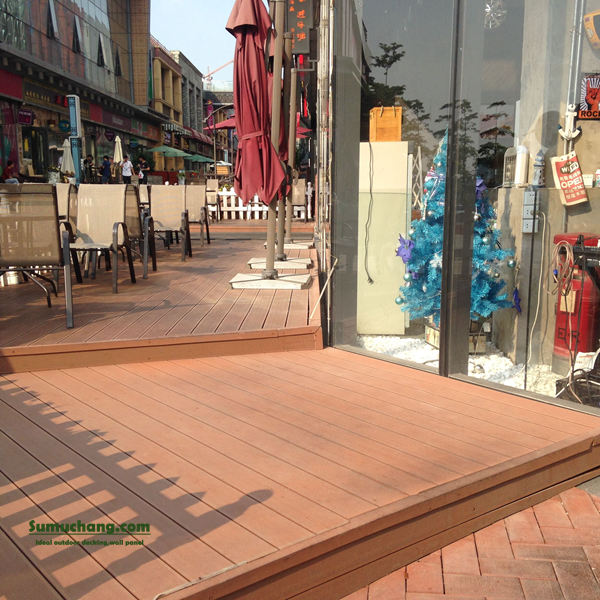
Ground level terraces are becoming a high value application for composite decking across residential, hospitality and public landscape projects. A composite deck ground level installation can connect an internal living area with a garden without the visual weight of raised structures, stairs or balustrades. This format is especially attractive in markets where compact gardens, urban courtyards and accessible outdoor spaces are driving renovation demand. Buyers increasingly want a surface that looks like timber but requires less seasonal maintenance than natural boards.
Wood plastic composite decking combines wood fibre, polymer resin and performance additives. Compared with untreated softwood, it offers better resistance to moisture, insects, splitting and routine staining. Compared with hardwood, it can provide more consistent colour, predictable dimensions and simpler sourcing. Its performance still depends on formulation, board profile, installation spacing, drainage and thermal movement. International buyers are becoming more technically informed, so suppliers must provide test data, installation guidance and clear warranty conditions rather than relying on appearance alone.
Drainage and Substructure Determine Performance
A ground level deck has different technical demands from a raised balcony. Water can remain beneath the boards if the existing ground is poorly graded, while leaves and soil may block ventilation around the joists. A competent installation normally requires a stable, well drained base, correctly spaced supports and enough clearance for air circulation. Concrete, compacted aggregate and adjustable pedestal systems each suit different site conditions, but none should be selected without considering drainage and local frost movement.
These requirements create opportunities for manufacturers that sell complete systems rather than boards alone. Hidden fasteners, aluminium or recycled polymer joists, edge trims, access panels and installation tools can increase project value while reducing mistakes on site. For exporters, packaging design is also important. Long boards need protection from impact and bending, whereas accessories should be grouped and labelled by installation stage. Clear technical drawings translated for regional markets can reduce after sales claims and support international contractors.

Composite Decking Compared with Exterior Materials
Natural timber remains competitive because it has an authentic grain, familiar handling characteristics and a broad range of price points. It can, however, require regular coating and may change shape or colour under ultraviolet exposure. Ceramic and porcelain paving offer strong stain resistance and a premium appearance, but they can be cold underfoot, difficult to cut and unforgiving if the sub base settles. Concrete is economical for large areas, yet it may crack and offers fewer options for a warm, timber inspired design.
Composite decking occupies a middle position between soft landscaping and hard paving. It provides a more comfortable walking surface than many mineral products while offering more predictable maintenance than untreated wood. Lower cost hollow boards can suit budget projects, while capped boards with improved surface protection target hotels, public spaces and high traffic gardens. Product selection should reflect climate, slip requirements, fire regulations, expected loading and colour stability instead of focusing only on initial price.
Connected Growth in WPC Outdoor Products
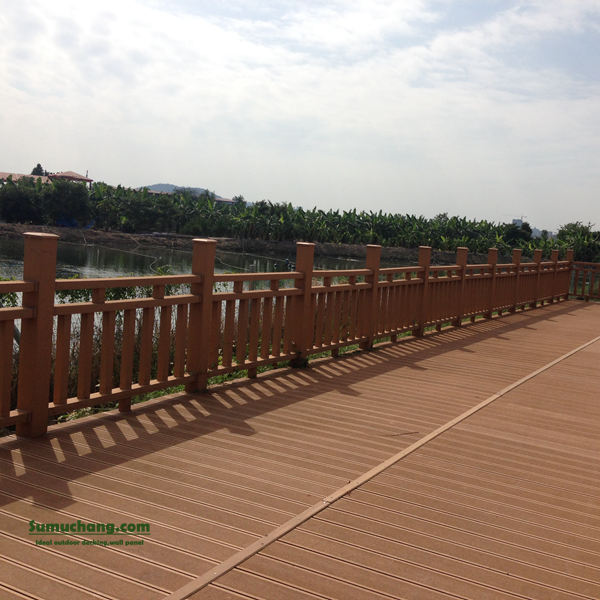
Global demand is extending beyond decking into coordinated WPC wall cladding, fencing, pergolas and landscape products. Matching colours and textures allow developers to specify a complete exterior scheme for balconies, pool surrounds, garden rooms and commercial courtyards. Wall cladding is gaining attention in renovation markets because it can refresh façades and outdoor walls with less repainting. WPC fencing responds to demand for privacy screens that resist rot and reduce upkeep, while pergola systems create shade and define outdoor rooms.
Landscape designers are also using composite materials for planter surrounds, seating, pathways, bin enclosures and edging details. This broad product range gives factories a route to reduce dependence on one seasonal category. However, each application requires suitable structural design, drainage performance and fixing methods. A decking board should not automatically be used as a load bearing pergola component. Suppliers with in house formulation, mould design and extrusion expertise can develop profiles for specific markets rather than offering one generic board worldwide.

Future Opportunities in International Markets
Future market growth is likely to come from practical sustainability, renovation and professional specification. Developers want materials containing recycled polymers or responsibly sourced wood fibre, but they also need documented content, service life data and end of life information. Environmental claims will face closer scrutiny as procurement teams adopt product declarations and life cycle assessment. Manufacturers that can verify raw material sourcing, control batch consistency and explain recyclability will be better placed in Europe, North America and developed Asian markets.
Regional adaptation will be equally important. Hot climates require attention to surface temperature, ultraviolet stability and expansion gaps. Wet and cold regions need reliable drainage, freeze resistance and anti slip performance. Emerging markets may favour affordable hollow profiles, while premium urban developments can support capped boards, modular pergolas and integrated lighting channels. International sales teams that combine local building knowledge with responsive after sales support can build stronger distributor networks. The strongest opportunity lies in treating composite decking as part of a coordinated outdoor construction system, with reliable engineering, documented quality and designs suited to how each market uses exterior space.