 English
  Español
  Français
  Português
  Deutsch
  Italiano
  Русский
  العربية
  简体中文
简体中文  香港中文
香港中文  한국어
한국어  日本語
日本語  Türkçe
  Nederlands
  Bahasa Indonesia
 Creating durable outdoor spaces is essential for homeowners and businesses alike, especially in an era where outdoor living is becoming increasingly popular. One of the most effective ways to achieve this is by utilizing outdoor wood-plastic composite, commonly referred to as WPC products. These innovative materials combine the best properties of wood and plastic, resulting in a versatile and resilient solution for various outdoor applications.
WPC products are engineered through a sophisticated manufacturing process that blends wood fibers with thermoplastic polymers. This combination results in a material that mimics the appearance of natural wood while offering enhanced durability and resistance to environmental factors. The production process typically involves several stages, including the selection of raw materials, compounding, extrusion, and finishing. Each stage is critical in ensuring that the final product meets quality standards and performance expectations.
The selection of raw materials is the first step in the production of WPC products. High-quality wood fibers, sourced from recycled wood or sustainable forestry practices, are combined with thermoplastics such as polyethylene or polypropylene. This careful selection not only enhances the aesthetic appeal of the final product but also ensures that it is environmentally friendly. The use of recycled materials in the production process helps reduce waste and promotes sustainability, making WPC an attractive choice for eco-conscious consumers.
Once the raw materials are selected, the next stage involves compounding, where the wood fibers are mixed with the thermoplastic polymers. This mixture is subjected to heat and pressure, facilitating a thorough integration of the components. During this process, additives may be introduced to enhance certain properties of the WPC, such as UV resistance, color stability, and fire retardancy. These additives play a vital role in extending the lifespan of outdoor products, making them suitable for various climates and weather conditions.

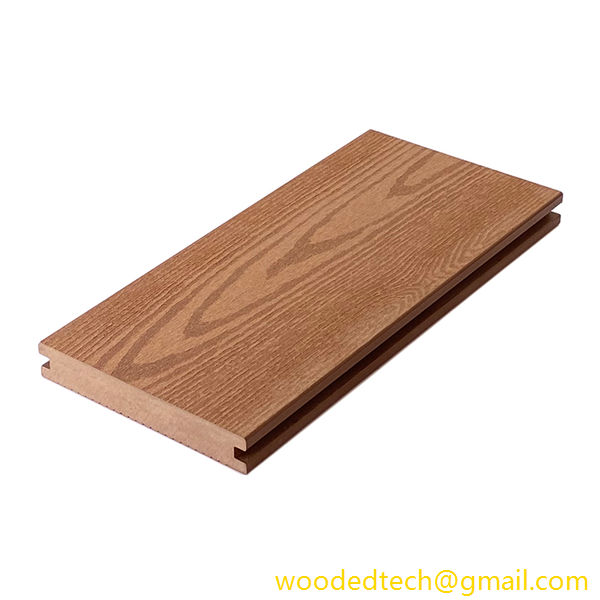
Following compounding, the mixture is extruded into the desired shapes and sizes. This stage of production allows for a wide variety of products to be manufactured, including decking, fencing, railing, and outdoor furniture. The versatility of WPC materials is one of their significant advantages, as they can be tailored to fit different design aesthetics and functional requirements. The extrusion process also allows manufacturers to create products with different textures and finishes, further enhancing their visual appeal.
After extrusion, the products undergo a finishing process that may include sanding, coating, or staining. This step not only improves the aesthetic quality of the WPC products but also adds an extra layer of protection against the elements. Finishing treatments can help prevent discoloration from UV exposure, reduce moisture absorption, and minimize the risk of mold and mildew growth. As a result, WPC products maintain their appearance and structural integrity over time, making them an excellent investment for outdoor spaces.
One of the standout features of WPC products is their resistance to moisture and decay. Traditional wood is susceptible to rot, insect damage, and warping, which can significantly compromise its longevity. However, WPC products are engineered to withstand these challenges, making them ideal for outdoor environments where exposure to moisture is inevitable. This durability means that homeowners can enjoy their outdoor spaces without the constant worry of maintenance and replacement.
Moreover, WPC products are easy to install and require minimal maintenance compared to traditional wood. They do not require regular staining, sealing, or painting, which can be time-consuming and costly. Instead, a simple cleaning with soap and water is usually sufficient to keep WPC surfaces looking new. This low-maintenance requirement is particularly appealing for busy homeowners or commercial property owners looking to maximize their outdoor enjoyment without the burden of upkeep.

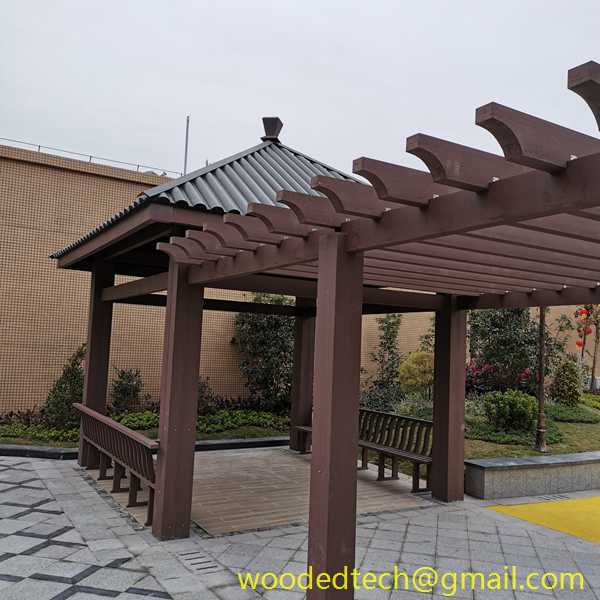
In addition to their practical benefits, WPC products also contribute to the overall aesthetics of outdoor spaces. The ability to replicate the look of natural wood while offering a wider range of colors and finishes allows for greater design flexibility. Whether creating a modern patio, a rustic deck, or an elegant garden pathway, WPC materials can be customized to suit any style. This versatility makes them a popular choice among architects and designers who aim to create inviting and functional outdoor environments.
The use of outdoor WPC products not only enhances the beauty and functionality of outdoor spaces but also promotes sustainable living. By opting for materials that combine recycled wood fibers and plastic, consumers contribute to reducing waste and conserving natural resources. As awareness of environmental issues continues to grow, the demand for sustainable building materials like WPC is likely to increase, solidifying their position in the outdoor living market.
Ultimately, outdoor WPC products present an innovative solution for creating durable and attractive outdoor spaces. Their unique combination of materials, coupled with advanced manufacturing processes, results in a product that is not only aesthetically pleasing but also highly functional. As outdoor living becomes an integral part of our lifestyles, investing in WPC products is an excellent way to enhance outdoor spaces while also making environmentally responsible choices.