 Deutsch
  English
  Español
  Français
  Português
  Italiano
  Русский
  العربية
  简体中文
简体中文  香港中文
香港中文  한국어
한국어  日本語
日本語  Türkçe
  Nederlands
  Bahasa Indonesia
 Das Gehäuse für Außen-WPC-Decking
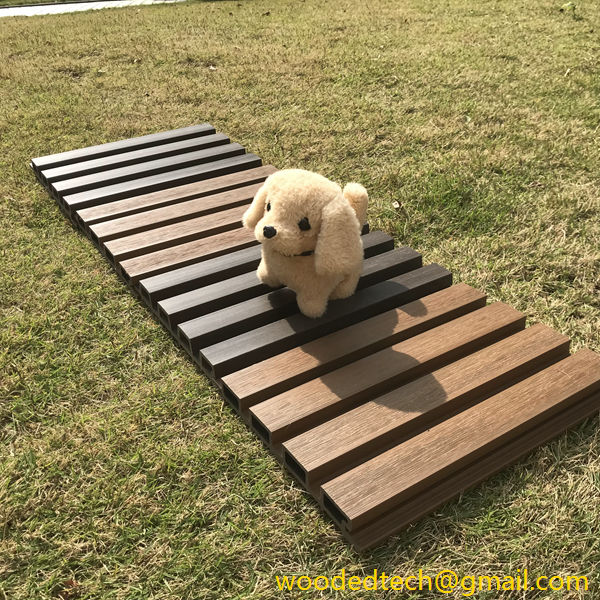
Auf der Suche nach langlebigen und ästhetisch ansprechenden Outdoor-Lösungen hat sich die externe WPC-Belage als robuste Alternative zu traditionellem Holz herausgestellt.Hergestellt aus einer Mischung aus Holzfasern und recycelten Kunststoffen, bietet WPC Vorteile, die Naturholz einfach nicht erreichen kann.Diese Verbundwerkstoffe vereinen das Beste aus beiden Welten und liefern ein Produkt, das wie Holz aussieht, aber nicht unter den damit verbundenen traditionellen Schwächen leidet.
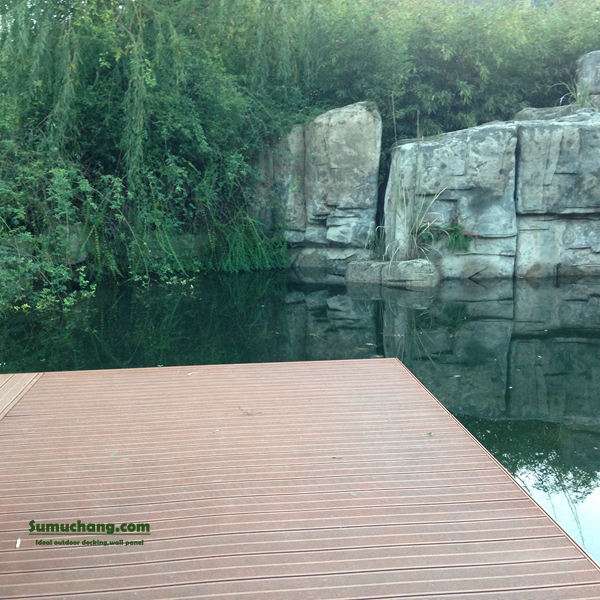
Eine der herausragenden Eigenschaften von externen WPC-Belag ist seine Beständigkeit gegen Feuchtigkeit und Wetterbedingungen.Im Gegensatz zu Naturholz, das Wasser aufnehmen kann, was zu Verzerrung, Verrottung oder Schimmelbildung führt, ist WPC so konzipiert, dass es den Elementen standhält.Diese Eigenschaft macht es zu einer hervorragenden Wahl für diejenigen, die in Regionen mit starken Regenfällen oder schwankenden Temperaturen leben.Hausbesitzer und gewerbliche Entwickler haben gleichermaßen die langfristigen Vorteile der Verwendung von WPC gegenüber Holz erkannt, insbesondere in Bezug auf Wartung und Langlebigkeit.
Wartungsvergleiche
Wenn es um die Wartung geht, überstrahlt die externe WPC-Belagung Naturholz erheblich.Holz erfordert regelmäßige Behandlungen wie Flecken und Versiegeln, um sein Aussehen zu erhalten und vor den Elementen zu schützen.Diese Prozesse können zeitaufwendig und kostspielig sein und den Gesamtwert eines Holzdecks erhöhen.Im Gegensatz dazu erfordert WPC nur minimale Wartung.Eine einfache Wäsche mit Seife und Wasser ist normalerweise alles, was benötigt wird, um es makelloses aussehen zu lassen.Diese einfache Pflege führt zu niedrigeren laufenden Kosten, was WPC zu einer attraktiveren Option für private und gewerbliche Anwendungen macht.
Während Holz im Laufe der Zeit splittern und reißen kann und Risiken für Familien und Haustiere darstellt, ist WPC-Belag so konzipiert, dass es splitterfrei ist.Diese Sicherheitsfunktion macht es zu einer ausgezeichneten Wahl für Häuser mit Kindern oder hohe Verkehrsflächen, wie z. B. kommerzielle Veranstaltungsorte, in denen die Gäste eine sichere Umgebung erwarten.Das verringerte Verletzungsrisiko ist ein wesentlicher Faktor, der zum Gesamtwert von WPC gegenüber seinen Holzgegenstücken beiträgt.
Lebensdauer und Haltbarkeit
Haltbarkeit ist eine weitere kritische Überlegung bei der Wahl zwischen WPC und Holz.Exterieure WPC-Decking ist für die Ewigkeit entwickelt.Während unbehandeltes Holz je nach Exposition gegenüber den Elementen nur etwa 10 bis 15 Jahre dauern kann, kann hochwertiges WPC bei richtiger Pflege bis zu 25 Jahre oder mehr halten.Die Langlebigkeit von WPC ist besonders vorteilhaft für kommerzielle Projekte, bei denen die Kosten für den Austausch schnell eskalieren können.
Diese beeindruckende Lebensdauer ist auf die inhärenten Eigenschaften von WPC zurückzuführen, die nicht den gleichen Verschleißgrad ermöglichen wie Holz.WPC ist resistent gegen Verblassen, Rissen und Verziehen, was auf lange Sicht Geld sparen kann.Diese Haltbarkeit positioniert WPC als eine praktikablere Investition, insbesondere für Projekte, bei denen der Decking stark genutzt wird.
Kostenerschenkt
Obwohl die anfängliche Investition in externe WPC-Belager höher sein kann als die von traditionellem Holz, ist es wichtig, die Gesamtbetriebskosten im Laufe der Zeit zu berücksichtigen.Die Kombination aus geringem Wartungsbedarf und verlängerter Lebensdauer bedeutet, dass WPC seinen anfänglichen Aufwand durch Einsparungen bei Instandhaltungs- und Ersatzkosten schnell wieder einholen kann.In einem kommerziellen Umfeld, in dem Ausfallzeiten und Störungen zu Umsatzverlusten führen können, kann die Wahl von WPC eine finanziell versierte Entscheidung sein.
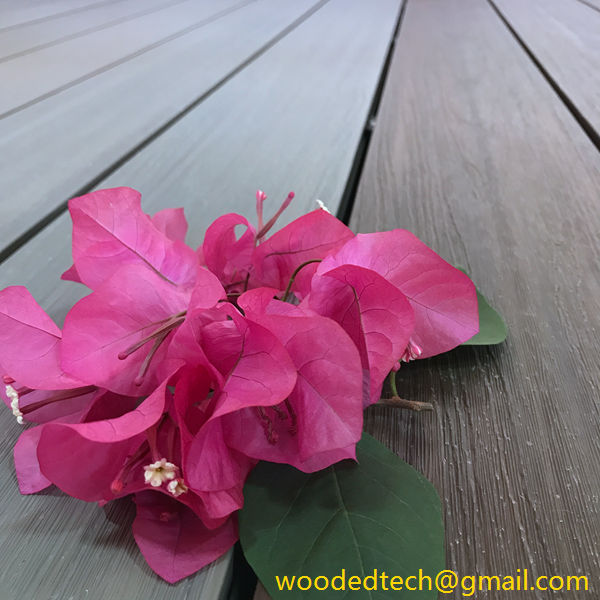
Darüber hinaus hat sich die ästhetische Anziehungskraft von WPC enorm verbessert, wobei Hersteller wie Sumuchang eine Reihe von Farben und Oberflächen anbieten, die Naturholz eng nachahmen.Dieser Fortschritt ermöglicht es Bauherren und Grundstückseigentümern, das Aussehen von Holz zu erreichen, ohne die praktischen Vorteile von WPC zu beeinträchtigen.
Umwelterschenktungen
Umweltbewusste Verbraucher werden den Nachhaltigkeitsaspekt von externen WPC-Decks zu schätzen wissen.Aus recycelten Materialien hergestellt, reduziert WPC die Nachfrage nach Neuholz und trägt zur Erhaltung natürlicher Wälder bei.Darüber hinaus hat der Herstellungsprozess von WPC einen geringeren CO2-Fußabdruck im Vergleich zur Holzindustrie, was ihn zu einer umweltfreundlichen Wahl für Entwickler macht, die ihre Umweltauswirkungen minimieren möchten.
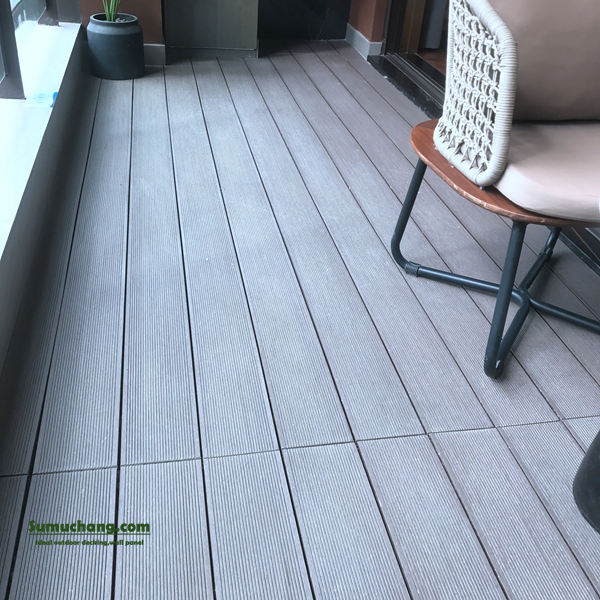
Die Wahl von WPC bedeutet auch, Abfälle im Zusammenhang mit Holz zu reduzieren, da es nicht unter den gleichen Problemen wie Splittern und Rissen leidet, die zu weggeworfenen Materialien führen.Dieser umweltfreundliche Ansatz kann auf dem heutigen Markt gut ankommen, wo Nachhaltigkeit immer wichtiger wird.
Der langfristige Wert von WPC-Decking
Die Investition in externe WPC-Decks ist eine Entscheidung, die einen erheblichen langfristigen Wert bietet.Die Kombination aus geringem Wartungsaufwand, hoher Haltbarkeit und ästhetischer Flexibilität macht es zu einer attraktiven Option für Wohn- und Gewerbeprojekte.Da die Verbraucher zunehmend nach praktischen und dennoch attraktiven Lösungen für ihre Außenbereiche suchen, zeichnet sich WPC als eine führende Wahl aus, die den zeitgenössischen Bedürfnissen und Vorlieben entspricht.
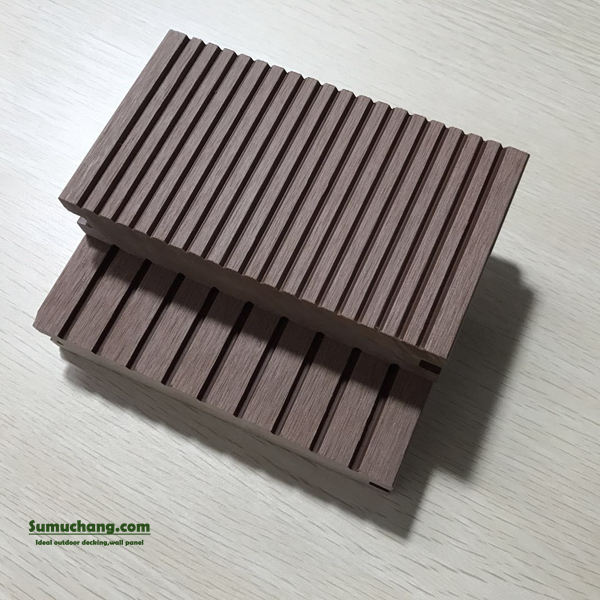
Wenn wir die Gesamtvorteile von WPC mit Naturholz und frühen massiven WPC-Optionen vergleichen, wird deutlich, dass die fortschrittliche Co-Extrusionstechnologie, die in modernen WPC-Produkten verwendet wird, eine überlegene Lösung für das Leben im Freien bietet.Durch die Wahl der hochwertigen WPC-Produkte von Sumuchang können Käufer sicherstellen, dass sie eine kluge Investition tätigen, die ihnen in den kommenden Jahren gut dient.