 English
  Español
  Français
  Português
  Deutsch
  Italiano
  Русский
  العربية
  简体中文
简体中文  香港中文
香港中文  한국어
한국어  日本語
日本語  Türkçe
  Nederlands
  Bahasa Indonesia
 Design a Composite Deck Around Above Ground Pool for Fun
Designing a composite deck around an above-ground pool is an excellent way to enhance the aesthetics and functionality of your outdoor space. Such a project not only provides a safe and attractive area for swimming but also creates a versatile entertainment area for family gatherings and social events. To ensure a successful installation and maintenance process, careful planning and execution are essential.
The first step in designing your deck is to assess the space available around the pool. Consider the pool’s dimensions and the area you want to allocate for the deck. It is important to leave enough room around the pool for easy access and safety. A well-designed deck should allow for comfortable movement around the pool while providing ample space for loungers, tables, and other outdoor furniture.

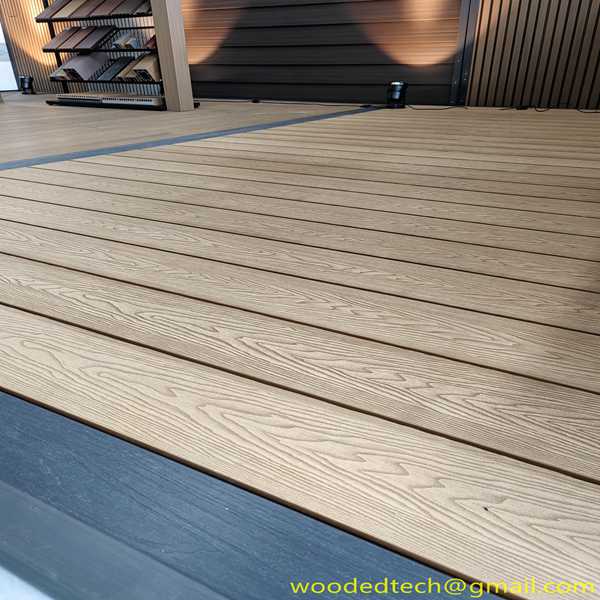
Once you have measured and marked the deck’s perimeter, the next phase involves selecting materials. Composite decking is an ideal choice for poolside installations due to its durability, resistance to moisture, and low maintenance requirements. Unlike traditional wood, composite materials do not splinter, warp, or fade, making them a safer option for families, particularly those with children. Furthermore, composite decking is available in various colors and textures, allowing you to customize the look of your deck to complement your home’s exterior and landscape.
After choosing the materials, planning the layout is crucial. The deck can be designed to wrap around the pool in a circular or rectangular shape, depending on your preferences and the pool’s design. Consider including built-in seating, steps leading into the pool, and even railings for safety. Elevating the deck slightly above the pool’s edge can create a sleek look while also providing a defined boundary that enhances safety.

Once the design is finalized, it is time to prepare the site for installation. Begin by clearing the area of any debris, grass, or other obstructions. Level the ground to create a stable foundation for the deck. If necessary, install footings to support the frame of the deck, ensuring it can bear the weight of furniture and people without sagging.
Constructing the frame is the next step, which involves installing support beams and joists. Follow the manufacturer’s guidelines for spacing and securing these components to ensure the structure is robust and stable. It is crucial to double-check all measurements during this phase to ensure accuracy.
With the frame in place, you can begin laying the composite decking boards. These boards can be cut to size using a saw, and they should be secured with hidden fasteners or screws designed specifically for composite materials. This method will create a clean, seamless look while providing stability and safety for users. Keep in mind the importance of spacing between boards to allow for drainage and expansion due to temperature changes.
After the deck is fully installed, it is time to focus on maintenance. One of the advantages of composite decking is its low maintenance nature. Regular cleaning is necessary to keep the surface free from dirt and debris. A simple wash with soap and water on a periodic basis will suffice. For tougher stains, a gentle scrub with a soft-bristle brush may be required.
Inspecting the deck regularly for any signs of wear or damage is also vital. Look for loose boards, cracked areas, or signs of mold or mildew, especially in shaded regions. Addressing these issues promptly will help maintain the deck’s appearance and safety.
Adding accessories to enhance the deck’s functionality can also elevate its overall appeal. Consider incorporating features such as built-in lighting for evening swimming, umbrellas for shade, or outdoor furniture to create a comfortable lounging area. These additions can make the deck a more enjoyable space for both relaxation and entertainment.
Safety should always be a priority when designing and maintaining a deck around an above-ground pool. Ensure that the deck is equipped with non-slip surfaces to prevent accidents, particularly when wet. Moreover, if children will be using the pool, consider installing safety gates or barriers to restrict access when adults are not present.
The design of a composite deck around an above-ground pool can transform your outdoor environment into a beautiful oasis. By carefully planning the layout, selecting durable materials, and adhering to proper installation and maintenance practices, you will create a space that is both enjoyable and safe for family and friends. With the right approach, your deck will not only enhance your swimming experience but also add value to your home, making it a worthwhile investment for years to come.