 English
  Español
  Français
  Português
  Deutsch
  Italiano
  Русский
  العربية
  简体中文
简体中文  香港中文
香港中文  한국어
한국어  日本語
日本語  Türkçe
  Nederlands
  Bahasa Indonesia
 In recent years, the building and construction industry has witnessed a significant shift towards composite materials, particularly in decking solutions. The transition from traditional wood to composite decking is largely driven by the need for enhanced durability, reduced maintenance, and sustainability. Composite decking offers a range of benefits that make it a preferable choice for homeowners and contractors alike.
One of the primary advantages of composite decking over wood is its durability. Composite materials are engineered to withstand the rigors of weather, wear, and tear, making them an ideal choice for outdoor applications. Unlike wood, which can warp, splinter, or rot over time, composite decking is designed to resist these issues, ensuring a longer lifespan. This durability translates to cost savings in the long run, as homeowners do not have to invest in frequent repairs or replacements. The resistance to fading and staining also adds to the appeal, as composite decks retain their aesthetic appeal without the need for regular refinishing.

Another significant factor is the maintenance aspect. Wooden decks often require staining, sealing, and regular cleaning to maintain their appearance and structural integrity. In contrast, composite decking requires minimal upkeep. A simple wash with soap and water is often all that is needed to keep it looking pristine. This ease of maintenance is particularly appealing to busy homeowners who wish to enjoy their outdoor spaces without the burden of extensive upkeep.
From a sustainability perspective, composite decking has gained traction due to its environmentally friendly nature. Many composite products are made from recycled materials, including plastic and wood fibers, reducing the demand for virgin timber. By choosing composite over wood, consumers contribute to a more sustainable building practice and help mitigate deforestation. Additionally, composite decking does not require the use of harmful chemicals for preservation, making it a safer option for the environment.
 The global distribution of composite decking production is another facet worth exploring. Countries with advanced manufacturing capabilities have emerged as leaders in the composite decking market. The United States, for instance, hosts several key manufacturers that dominate the landscape, leveraging state-of-the-art technology and sustainable practices. Additionally, regions in Europe and Asia are also increasing their production capabilities, driven by growing demand for durable and low-maintenance building materials. This global supply chain allows for competitive pricing and availability, making composite decking accessible to a wider audience.
Price advantages play a crucial role in the decision-making process for many consumers. While the initial cost of composite decking may be higher than traditional wood, the long-term savings often outweigh this upfront investment. When considering the total cost of ownership, including maintenance and replacement costs, composite decking proves to be more economical over time. Furthermore, the price of composite materials has become increasingly competitive as advancements in technology and manufacturing processes have driven down production costs.
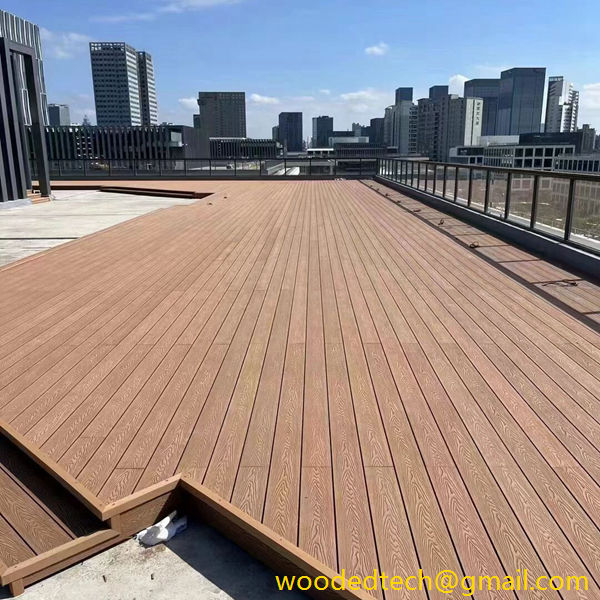
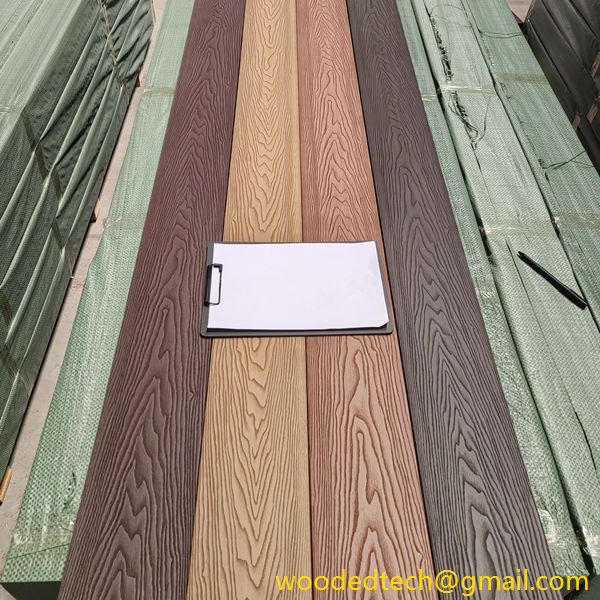
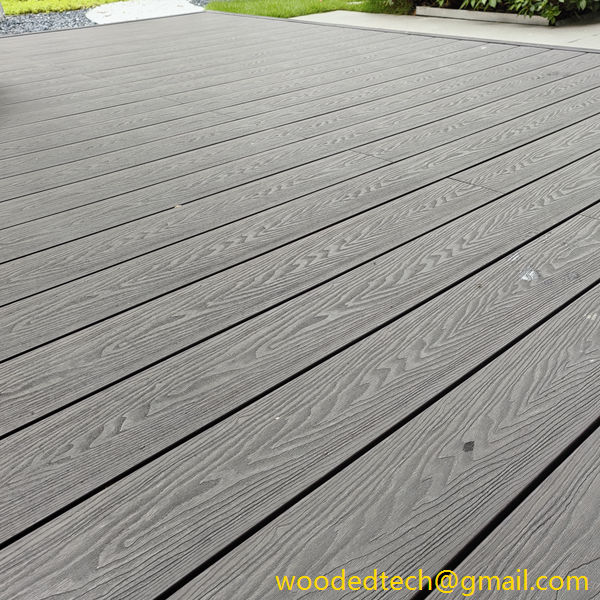
In addition to cost savings, the availability of various styles and colors in composite decking allows homeowners to achieve their desired aesthetic without compromising on quality. Manufacturers have developed products that closely mimic the look of natural wood while providing the benefits of composite materials. This versatility caters to diverse design preferences, making composite decking suitable for a wide range of architectural styles.
As the demand for composite decking continues to rise, ongoing research and development in material science promise to yield even more innovative solutions. Future advancements may focus on enhancing the performance of composite materials, improving their environmental footprint, and expanding their applications beyond decking. The continual evolution of these products will likely lead to further market growth and adoption among builders and consumers.
The shift from wood to composite decking is not merely a trend but a reflection of changing consumer values toward durability, sustainability, and cost-effectiveness. As more homeowners become aware of the benefits associated with composite materials, the preference for these products is expected to grow. The combination of enhanced durability, reduced maintenance requirements, and a commitment to sustainability positions composite decking as a superior alternative to traditional wood. With a strong global supply chain and competitive pricing, the future of composite decking looks promising, paving the way for a more resilient and environmentally friendly approach to outdoor living spaces.