 English
  Español
  Français
  Português
  Deutsch
  Italiano
  Русский
  العربية
  简体中文
简体中文  香港中文
香港中文  한국어
한국어  日本語
日本語  Türkçe
  Nederlands
  Bahasa Indonesia
 Discover the Benefits of Hollow Decking Composite for Your Next Outdoor Project
When considering materials for outdoor projects, the choice of decking can significantly influence the overall quality, durability, and aesthetics of the finished product. Hollow decking composite has emerged as a popular option in recent years due to its unique manufacturing process and the advantages it offers for various outdoor applications. Understanding the benefits of hollow decking composite from the perspective of material production technology can provide insights into why it is increasingly favored by homeowners and builders alike.
Hollow decking composite is manufactured using a combination of wood fibers and recycled plastic, which are extruded to create a lightweight yet sturdy material. The production process begins with sourcing high-quality wood fibers, often derived from post-industrial recycled materials. These fibers are mixed with polymers, which serve as a binding agent to enhance the structural integrity of the composite. The mixture is then subjected to a high-temperature and high-pressure extrusion process.

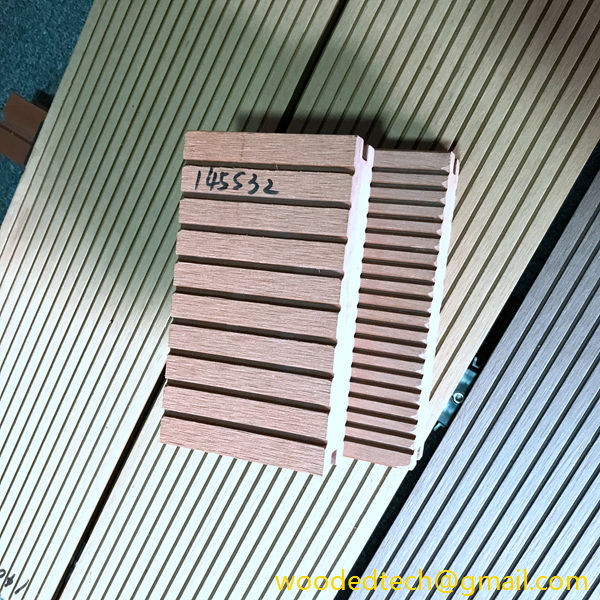
During this process, the material is shaped into planks with a hollow core, which significantly reduces the overall weight while maintaining strength. This unique hollow structure also creates air pockets within the decking, making it less susceptible to warping and splitting compared to solid wood options. The innovative use of a hollow design not only enhances the material’s performance but also contributes to its cost-effectiveness, as lighter materials are easier to transport and install.
One of the key benefits of hollow decking composite is its resistance to the elements. Traditional wood decking often requires regular maintenance, including staining, sealing, and replacement of damaged boards. In contrast, hollow decking composite is designed to withstand moisture, UV exposure, and temperature fluctuations without deteriorating. The plastic component provides a protective layer that prevents water absorption, reducing the risk of mold and mildew. This inherent durability makes hollow decking a long-lasting choice for outdoor projects, allowing homeowners to enjoy their spaces without the constant worry of maintenance.
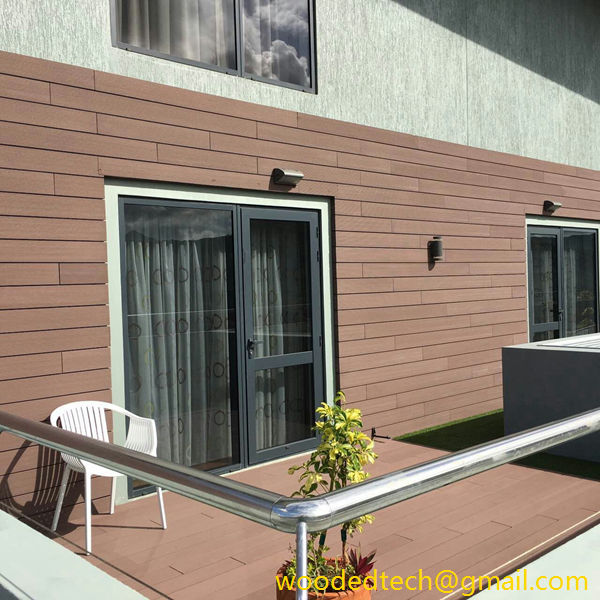
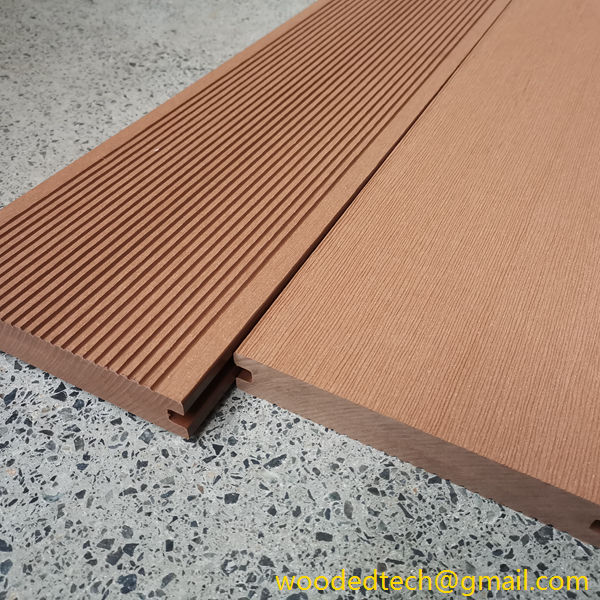
Another advantage of hollow decking composite is its aesthetic appeal. Manufacturers offer a wide range of colors and finishes, allowing homeowners to choose a look that complements their outdoor design. The wood-like appearance of composite decking provides the warmth and charm of natural wood without the associated drawbacks. The surface can be designed with textures that mimic real wood grain, providing an inviting and attractive finish for patios, decks, and other outdoor spaces.
The environmental benefits of hollow decking composite cannot be overlooked. By utilizing recycled materials, the production process contributes to sustainability by minimizing waste and reducing the demand for new raw materials. This eco-friendly aspect appeals to environmentally conscious consumers who seek to make responsible choices for their homes. Furthermore, the longevity of composite materials means that they do not need to be replaced frequently, which reduces the overall environmental footprint associated with decking materials over time.
From a production standpoint, the manufacturing of hollow decking composite is also more efficient compared to traditional wood decking. The extrusion process allows for consistent quality and uniformity in the product, minimizing the variations typically seen in natural wood. This consistency translates into easier installation for contractors, reducing labor costs and time on the job site. Additionally, the ability to produce large quantities of decking from recycled materials can lead to cost savings that can be passed on to consumers.

Safety is another critical consideration in outdoor projects, and hollow decking composite performs well in this regard. Many composite products are designed to be slip-resistant, making them a safer choice for wet or poolside areas. Additionally, unlike traditional wood, composite decking does not splinter, providing a smooth surface that is safe for bare feet and pets. This feature is particularly important for families with children or those who enjoy entertaining guests outdoors.
The versatility of hollow decking composite extends beyond traditional decking applications. It can also be used for various outdoor structures such as fences, garden beds, and furniture. This adaptability makes it a valuable material for designers and builders looking to create cohesive outdoor environments. Its lightweight nature and easy workability allow for creative and innovative designs that can enhance outdoor living spaces.
The benefits of hollow decking composite are numerous, ranging from its durability and low maintenance to its aesthetic appeal and environmental advantages. The manufacturing process plays a crucial role in these benefits, as the combination of recycled materials and innovative design contributes to a high-quality product that meets the needs of modern outdoor projects. By choosing hollow decking composite, homeowners can enjoy beautiful, functional, and sustainable outdoor spaces that stand the test of time.