 English
  Español
  Français
  Português
  Deutsch
  Italiano
  Русский
  العربية
  简体中文
简体中文  香港中文
香港中文  한국어
한국어  日本語
日本語  Türkçe
  Nederlands
  Bahasa Indonesia
 Discover the Benefits of Recycled Plastic Wood for Sustainability
The increasing awareness of environmental sustainability has led to innovative solutions aimed at reducing waste and promoting the use of recyclable materials. One such solution that has gained significant traction in recent years is recycled plastic wood. This material, often referred to as plastic lumber, is made from recycled plastic waste, offering a sustainable alternative to traditional wood products. The benefits of recycled plastic wood extend beyond just environmental considerations; they encompass economic, practical, and social advantages that make it an attractive choice for various market applications.
From a sustainability standpoint, recycled plastic wood plays a crucial role in reducing plastic waste. With millions of tons of plastic produced annually, a large portion of this material ends up in landfills or, worse, in oceans and natural habitats. By using recycled plastic to create wood-like products, we can significantly decrease the demand for new plastic production while simultaneously diverting waste from landfills. This recycling process not only reduces the environmental impact associated with plastic waste but also minimizes the carbon footprint associated with manufacturing new materials.
Moreover, recycled plastic wood contributes to the conservation of natural resources. Traditional wood products often lead to deforestation, which has severe implications for biodiversity, climate change, and the health of ecosystems. By substituting plastic wood for natural timber, we can help preserve forests and promote a more balanced ecosystem. This transition is particularly significant in industries such as construction and landscaping, where the demand for wood has historically driven deforestation.

In addition to its environmental benefits, recycled plastic wood offers impressive durability and resilience. Unlike traditional wood, which can rot, warp, or succumb to insect damage, plastic lumber is engineered to withstand harsh weather conditions and resist deterioration. This durability translates into lower maintenance costs and longer lifespans for products made from recycled plastic wood. Businesses and consumers alike benefit from reduced replacement frequencies and maintenance efforts, making it a cost-effective solution in the long run.
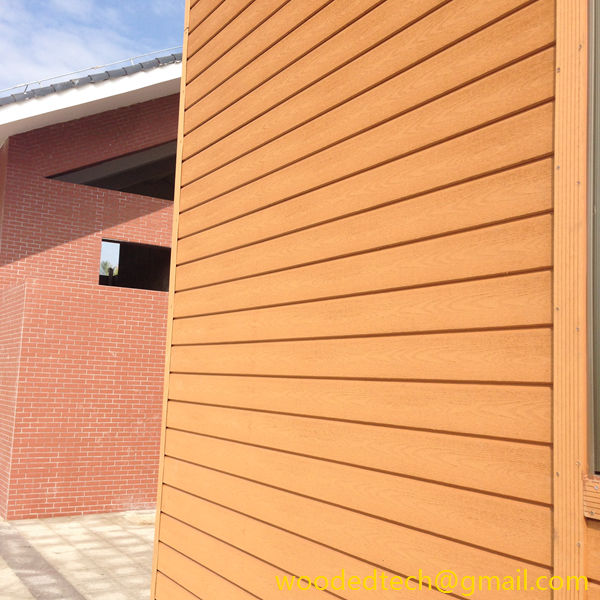
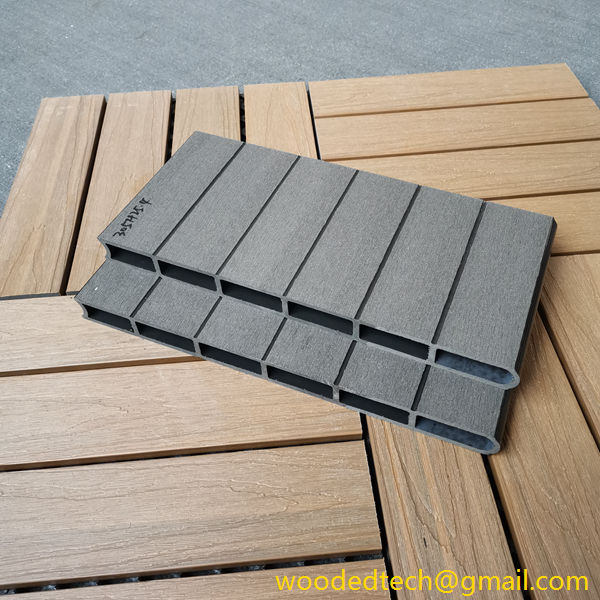
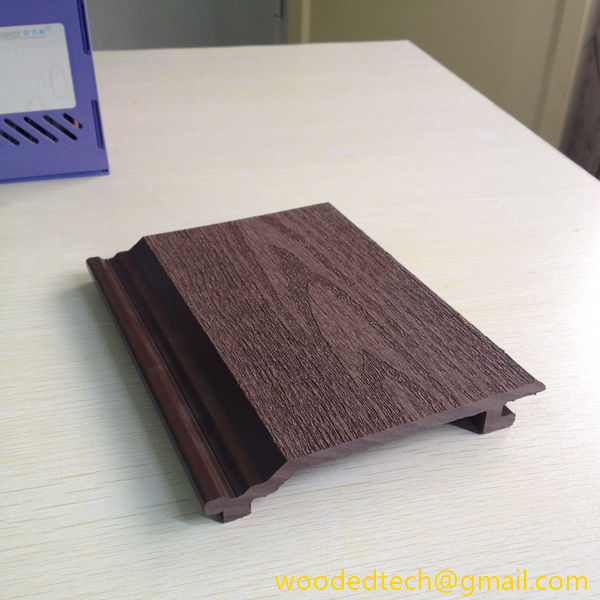
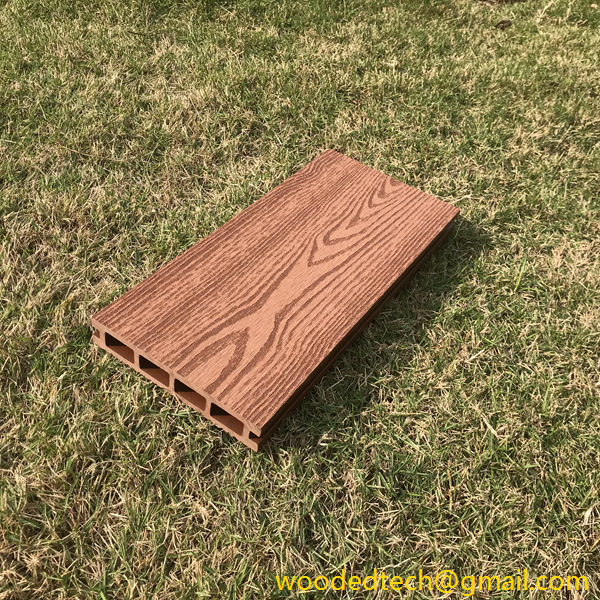
The versatility of recycled plastic wood is another reason for its growing popularity across various market applications. It can be manufactured in a wide range of shapes, sizes, and colors, allowing for creative freedom in design. Whether for outdoor decking, furniture, playgrounds, or fencing, recycled plastic wood can be tailored to meet specific aesthetic and functional requirements. This adaptability makes it an ideal choice for architects, builders, and designers looking to incorporate sustainable materials into their projects without compromising on quality or visual appeal.
Furthermore, the ease of installation associated with recycled plastic wood contributes to its attractiveness in the market. Many products made from plastic lumber are designed to be lightweight and easy to handle, allowing for quicker assembly and installation. This aspect is particularly beneficial in the construction and landscaping sectors, where time efficiency can translate into significant cost savings. The ability to use standard tools for installation further enhances its practicality, making it a user-friendly option for contractors and DIY enthusiasts alike.
Another notable advantage of recycled plastic wood is its resistance to moisture and humidity. Traditional wood products can absorb water, leading to swelling, warping, and eventual decay. In contrast, plastic lumber is impervious to moisture, making it an excellent choice for applications in regions with high humidity or for products that are exposed to water, such as docks and outdoor furniture. This moisture resistance not only enhances the longevity of the products but also ensures that they maintain their appearance over time.

In the context of social responsibility, using recycled plastic wood aligns with the growing consumer demand for sustainable products. Customers today are increasingly conscious of the environmental impact of their purchases. By choosing products made from recycled materials, consumers can feel good about their choices and contribute to a more sustainable future. Businesses that incorporate recycled plastic wood into their offerings can tap into this trend, enhancing their brand image and attracting environmentally conscious consumers.
The economic benefits of recycled plastic wood cannot be overlooked either. As the market for sustainable materials continues to expand, investing in recycled plastic wood can yield significant returns. Companies that adopt these materials may qualify for green certifications, which can enhance their marketability and appeal to a broader audience. Furthermore, as regulations around waste management and sustainability tighten, businesses that proactively incorporate recycled materials may find themselves ahead of the curve, avoiding potential fines or penalties associated with non-compliance.
Finally, the market for recycled plastic wood is poised for growth as technology continues to advance. Innovations in recycling processes and material formulations are leading to improved product quality and new applications. As more companies and consumers recognize the importance of sustainability, the demand for recycled plastic wood is likely to increase. This trend presents opportunities for manufacturers to expand their product lines and invest in new technologies that enhance the performance and appeal of recycled plastic wood.
The combination of sustainability, durability, versatility, and economic viability makes recycled plastic wood an excellent choice for a wide range of applications. As society continues to prioritize environmental responsibility, embracing materials like recycled plastic wood can lead to more sustainable practices across various industries. By choosing recycled plastic wood, businesses and consumers alike can contribute to a more sustainable future while enjoying the practical benefits this innovative material has to offer.