 English
  Español
  Français
  Português
  Deutsch
  Italiano
  Русский
  العربية
  简体中文
简体中文  香港中文
香港中文  한국어
한국어  日本語
日本語  Türkçe
  Nederlands
  Bahasa Indonesia
 Discover the Best Plastic Wood for Decking to Enhance Your Outdoor Living
When it comes to enhancing your outdoor living space, the choice of materials plays a critical role in both aesthetics and functionality. Plastic wood, also known as composite wood or synthetic lumber, has gained immense popularity as a decking material in recent years. This innovative material combines the durability of plastic with the natural appearance of wood, making it an ideal choice for decking. In this article, we will explore the best plastic wood options for decking from the perspective of material production processes.
The production of plastic wood typically involves the combination of recycled wood fibers and plastic polymers. This hybrid composition offers several benefits, including resistance to rot, moisture, and insects, which are common issues faced by traditional wood decking. The manufacturing process begins with the sourcing of raw materials. The wood fibers are usually derived from reclaimed wood sources, which not only reduces waste but also contributes to a more sustainable production cycle. These fibers are then processed and blended with plastic materials, which are often sourced from recycled plastics, such as polyethylene and polypropylene.

One of the most critical aspects of the production process is the formulation of the composite material. Manufacturers must carefully balance the ratio of wood fibers to plastics to achieve the desired properties in the final product. A higher percentage of wood fibers may enhance the natural look and feel of the decking, while a higher percentage of plastic can improve durability and resistance to environmental factors. Advanced mixing techniques and equipment are employed to ensure a uniform distribution of materials, which is essential for the performance and longevity of the decking.
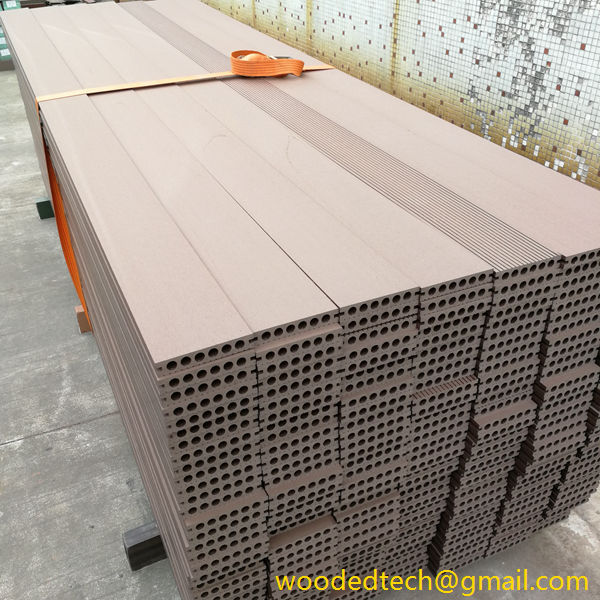
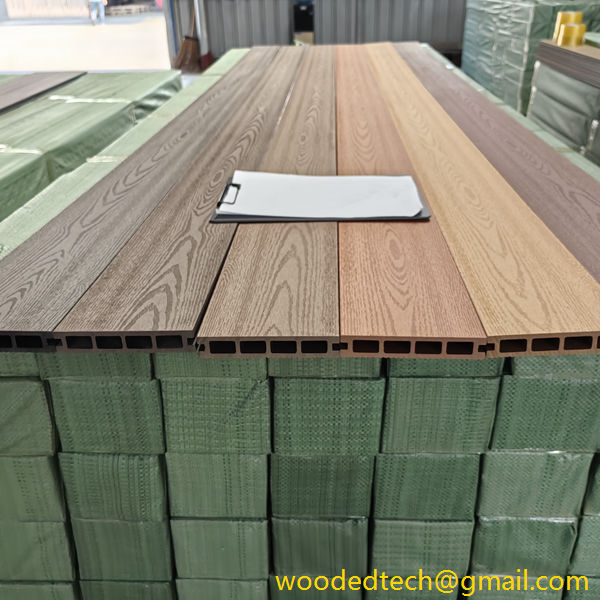
Once the composite material is prepared, it undergoes a process known as extrusion. During this phase, the blended material is heated and forced through a mold to create the desired shape of the decking boards. This method allows for the production of long, continuous lengths of decking, minimizing waste and ensuring consistency in quality. The extrusion process can also incorporate various textures and finishes, enabling manufacturers to simulate the appearance of natural wood grain. This is a significant advantage for homeowners looking for the aesthetic appeal of wood without the associated maintenance challenges.
After extrusion, the decking boards are cooled and cut to standardized lengths. Quality control is an essential part of the production process, and manufacturers typically conduct rigorous testing to ensure that the decking meets industry standards for strength, durability, and safety. This includes tests for slip resistance, impact resistance, and UV stability. The final products are then ready for distribution, often accompanied by certifications that attest to their performance and environmental benefits.

One of the key advantages of plastic wood decking is its low maintenance requirements. Unlike traditional wood, which requires regular staining, sealing, and treatment to protect against the elements, plastic wood is designed to withstand harsh weather conditions without deteriorating. This characteristic is especially important for outdoor living spaces, where exposure to sun, rain, and fluctuating temperatures can take a toll on conventional wood materials. Homeowners looking to enhance their outdoor areas can benefit from the peace of mind that comes with choosing a product that requires minimal upkeep.
In addition to its practical benefits, plastic wood decking is also an environmentally friendly choice. The use of recycled materials in its production helps divert waste from landfills and reduces the demand for virgin timber. Many manufacturers are committed to sustainable practices, ensuring that their products not only perform well but also contribute to a healthier planet. By opting for plastic wood, homeowners can make a responsible choice that aligns with their values regarding sustainability and environmental stewardship.
When selecting the best plastic wood for decking, it is essential to consider factors such as color, texture, and warranty. Different manufacturers offer a variety of options, allowing homeowners to choose products that complement their outdoor aesthetics. Additionally, reputable brands often provide warranties that reflect their confidence in the durability and performance of their decking products.
In conclusion, plastic wood decking represents a modern solution for enhancing outdoor living spaces. The production processes involved in creating this innovative material ensure that it combines the best attributes of wood and plastic, resulting in a product that is durable, low maintenance, and environmentally friendly. By carefully considering the various options available and understanding the production methods behind them, homeowners can make informed choices that will enhance their outdoor environments for years to come.