 English
  Español
  Français
  Português
  Deutsch
  Italiano
  Русский
  العربية
  简体中文
简体中文  香港中文
香港中文  한국어
한국어  日本語
日本語  Türkçe
  Nederlands
  Bahasa Indonesia
 Discover the Strength of WPC Beams for Your Outdoor Structures
The strength of Wood Plastic Composite (WPC) beams is revolutionizing the way we approach outdoor structures. These innovative materials combine the best properties of wood and plastic, resulting in a product that is not only durable but also versatile. Understanding the production process of WPC beams provides insights into their unique strength and applications in various outdoor environments.
The manufacturing of WPC beams begins with the careful selection of raw materials. Typically, wood fibers or flour derived from recycled wood products are combined with thermoplastic resins such as polyethylene or polypropylene. This combination is crucial, as the quality and type of both the wood and plastic components directly influence the final properties of the composite. The use of recycled materials is particularly appealing, as it promotes sustainability and reduces environmental impact.
Once the raw materials are sourced, they undergo a process known as compounding. During this stage, the wood fibers and plastics are blended together, often with the addition of various additives such as UV stabilizers, colorants, and antimicrobial agents. These additives serve to enhance the performance and longevity of WPC beams. For example, UV stabilizers protect the material from sun damage, ensuring that its color remains vibrant and its structural integrity is maintained over time.

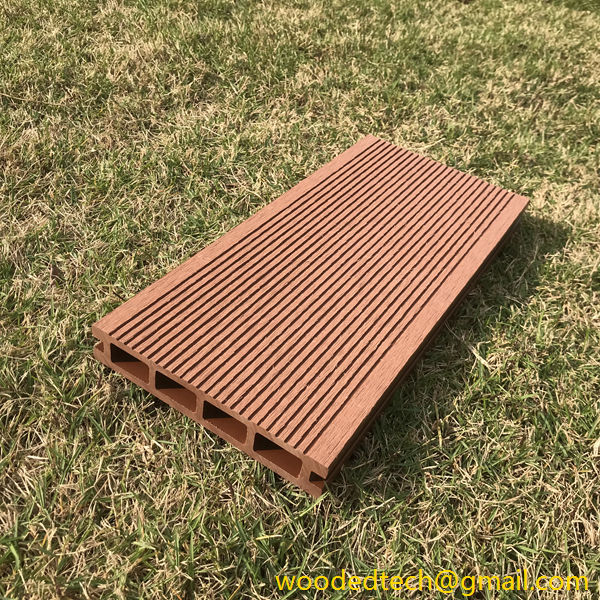
The compounded material is then subjected to a process called extrusion. In this step, the blended mixture is heated and forced through a die to create beam shapes. This process not only shapes the material but also facilitates a thorough bonding between the wood fibers and plastic matrix. It is during extrusion that the unique characteristics of WPC beams emerge. The high temperatures and pressures involved ensure that the composite is homogenous, which is vital for achieving the desired strength and durability.
After extrusion, the beams are cooled and cut to the required lengths. This stage also includes quality control measures to assess the physical properties of the WPC beams, such as tensile strength, flexural strength, and moisture resistance. These properties are critical for outdoor structures, which must withstand various environmental conditions, including moisture, temperature fluctuations, and UV exposure.
One of the standout features of WPC beams is their resistance to rot and decay, a common concern when using traditional wood in outdoor applications. The plastic component of WPC beams acts as a barrier to moisture, significantly reducing the chances of fungal growth and insect infestations. This characteristic not only enhances the longevity of the beams but also minimizes maintenance efforts, making them an attractive option for homeowners and builders alike.
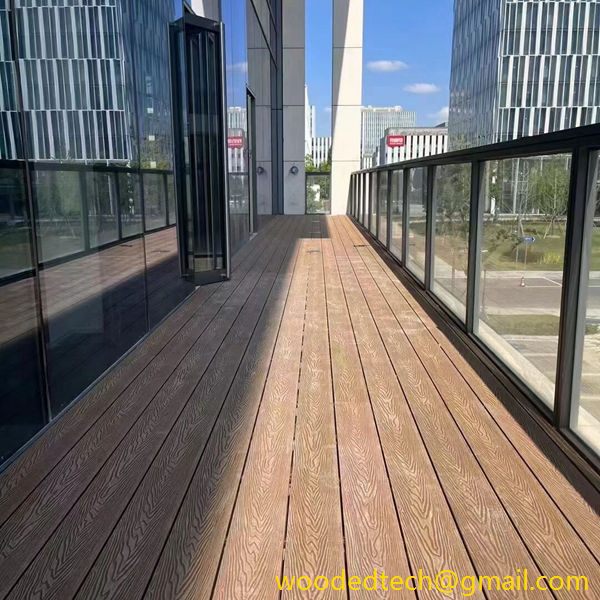
Moreover, WPC beams offer excellent strength-to-weight ratios. This means they can support considerable loads while remaining lightweight, which simplifies transportation and installation. The structural integrity of WPC beams enables them to be used in various applications, from decks and railings to pergolas and outdoor furniture. Their versatility allows for creative design options in architectural applications without compromising on strength.

Another advantage of WPC beams is their aesthetic appeal. With the ability to mimic the look of natural wood, WPC beams can be produced in a variety of colors and finishes. This feature allows designers and architects to create visually pleasing outdoor spaces that blend seamlessly with the natural environment. The ability to customize the appearance of WPC beams adds to their attraction for projects aiming for both functionality and style.
The environmental benefits of WPC beams cannot be overlooked. By utilizing recycled materials, the production process helps divert waste from landfills and reduces the demand for virgin resources. Furthermore, WPC beams are fully recyclable at the end of their life cycle, making them an environmentally friendly choice for sustainable construction practices.
The growing popularity of WPC beams is further supported by advancements in technology and manufacturing processes. Continuous research and development efforts are leading to improved formulations and production techniques that enhance the performance and reduce the cost of WPC materials. As the demand for sustainable building materials rises, WPC beams are poised to play a significant role in the future of outdoor construction.
Incorporating WPC beams into outdoor structures is not just about choosing a strong material; it is about embracing a modern approach to building that prioritizes durability, aesthetics, and environmental responsibility. As homeowners and builders seek alternatives to traditional materials, the strength of WPC beams is becoming increasingly recognized as a reliable solution for a wide range of outdoor applications. The combination of wood and plastic results in a product that is built to last, ensuring that outdoor structures remain beautiful and functional for years to come.