 English
  Español
  Français
  Português
  Deutsch
  Italiano
  Русский
  العربية
  简体中文
简体中文  香港中文
香港中文  한국어
한국어  日本語
日本語  Türkçe
  Nederlands
  Bahasa Indonesia
 The Value of Composite Decking in Home Investments
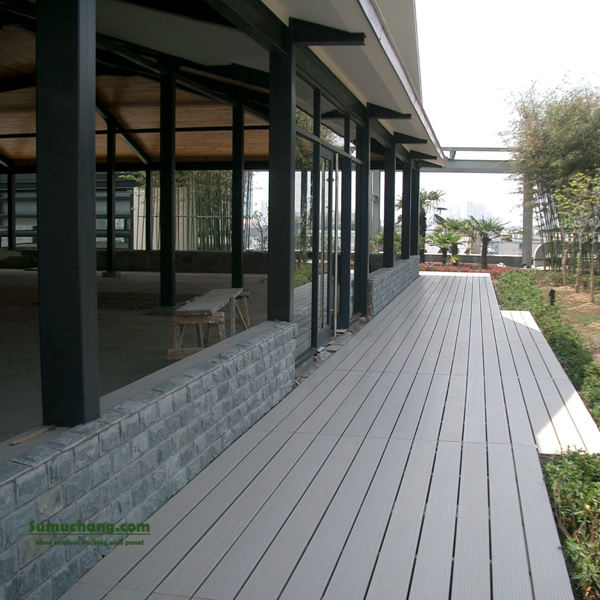
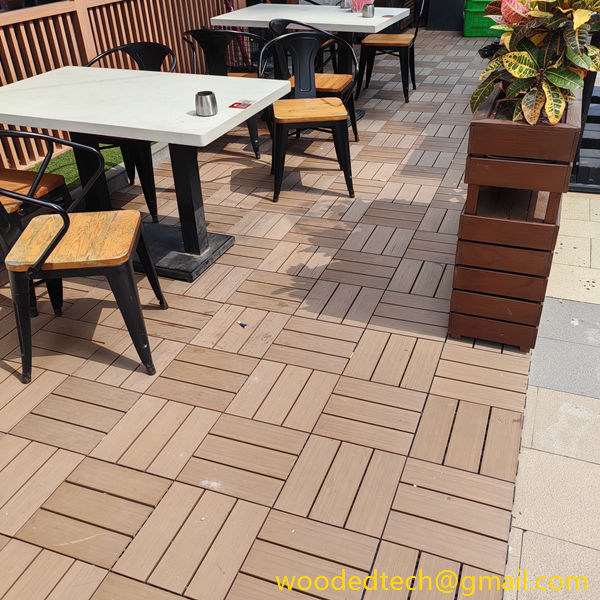
Many homeowners contemplating improvements often ask, does a composite deck add value to a home? The answer is a resounding yes, especially when considering the long-term benefits of composite materials over traditional wood. Composite decking is not merely an aesthetic addition; it plays a fundamental role in enhancing the property’s overall market appeal. It offers durability, requires less maintenance, and retains its appearance over time, making it a wise investment that can yield significant returns when the property is sold.
In the current real estate environment, outdoor living spaces have become pivotal in influencing buyer decisions. A well-designed composite deck can serve as a focal point for relaxation and entertainment, thereby increasing the home’s attractiveness. When potential buyers see a beautiful, functional outdoor space, they are more likely to perceive the property as a premium offering, which can lead to higher sale prices.

International Purchasing Process for Composite Decking
Engaging in international trade for composite decking products involves a structured purchasing process. Initially, a potential buyer must request a quotation from the supplier. This step typically requires detailed specifications regarding the desired type of composite decking, including dimensions, colour, and any special features. Suppliers then provide a formal quote, outlining the cost per unit, estimated lead times, and shipping options. At this stage, clients are encouraged to ask questions to clarify any uncertainties regarding the products.
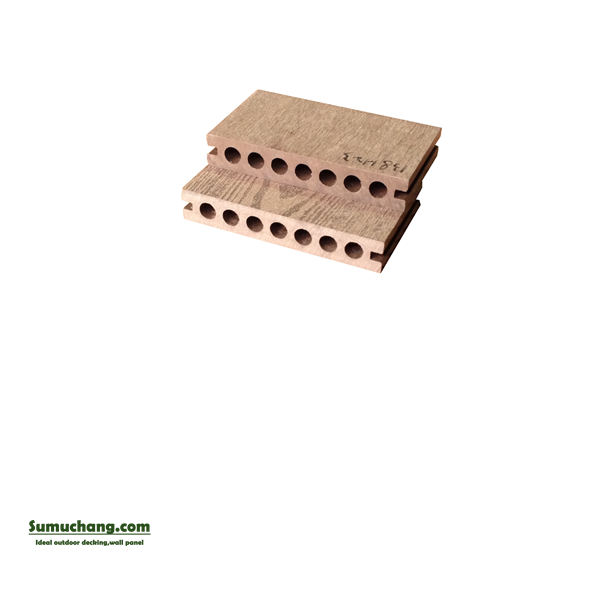
Once a quotation is approved, the next step is sample approval. This is crucial as it allows the buyer to evaluate the quality and appearance of the composite decking before committing to a larger order. Sample requests are common, and suppliers often send samples at minimal cost, ensuring that the final purchase aligns with the customer’s expectations. After the samples are reviewed and approved, the buyer can proceed to place a formal order.
Packaging and Container Loading
Packaging is a vital aspect of the international shipping process, particularly for composite decking products. Suppliers must ensure that the decking is packaged securely to withstand transportation stresses. This often involves using custom packaging materials that prevent damage during transit. Once packaged, the goods are prepared for container loading. This involves careful planning to optimise space and ensure that the products are loaded efficiently while adhering to all safety regulations.
Proper loading techniques also minimise the risk of damage during shipping, which is essential for maintaining quality standards. For larger orders, consolidation might be necessary, where products from multiple clients are loaded into one container to reduce shipping costs. Once loaded, shipping documents are prepared to facilitate a smooth customs clearance process.
Shipping Documents and Customs Clearance
Shipping documents are crucial for the successful delivery of composite decking products. These documents typically include the bill of lading, commercial invoice, packing list, and any certificates required for customs clearance. Each document serves a specific purpose, from detailing the transaction to providing evidence of the shipment’s contents.
Customs clearance can be a complex process, and cooperation with experienced freight forwarders is advisable. They can assist in navigating the regulatory landscape, ensuring compliance with all relevant international trade laws. Clear communication regarding the specifications of the composite decking and precise documentation will streamline the customs process and reduce the likelihood of delays in delivery.
Collaborating with Overseas Distributors
To effectively market composite decking internationally, establishing relationships with overseas distributors is essential. These partners can provide insights into local market conditions, consumer preferences, and regulatory requirements, enabling suppliers to tailor their offerings accordingly. A successful collaboration with distributors involves regular communication, joint marketing efforts, and shared knowledge about product innovations and market trends.
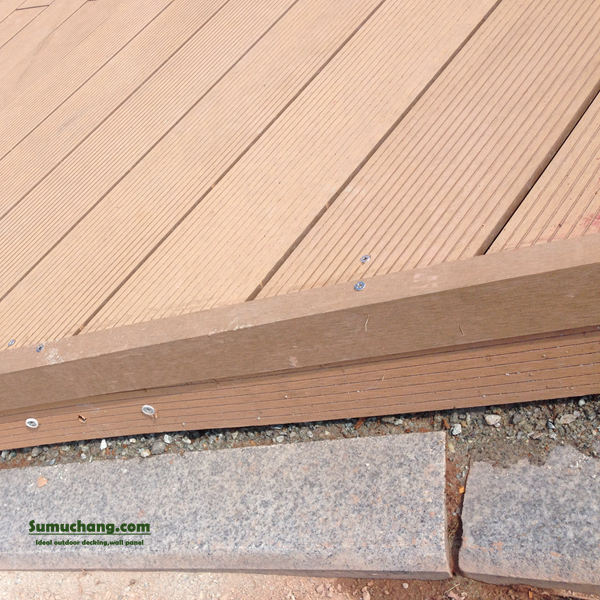
Overseas distributors play a significant role in expanding the reach of composite decking products. They can introduce the product to new markets, helping to position it effectively against local competitors. By leveraging their established networks, suppliers can gain access to a wider customer base, ultimately enhancing sales and brand recognition in international markets.
Enhancing Home Value Through Quality Materials
Investing in high-quality composite decking not only elevates the aesthetics of a home but also solidifies its market value. As homeowners increasingly seek sustainable and low-maintenance outdoor solutions, composite decking stands out as a preferred choice. The durability and longevity of composite materials further bolster the argument that they contribute positively to property value. Each properly executed international trade transaction involving composite decking can ultimately lead to enhanced homeowner satisfaction and increased resale value.