 Español
  English
  Français
  Português
  Deutsch
  Italiano
  Русский
  العربية
  简体中文
简体中文  香港中文
香港中文  한국어
한국어  日本語
日本語  Türkçe
  Nederlands
  Bahasa Indonesia
 Comparación de cubiertas compuestas y madera natural
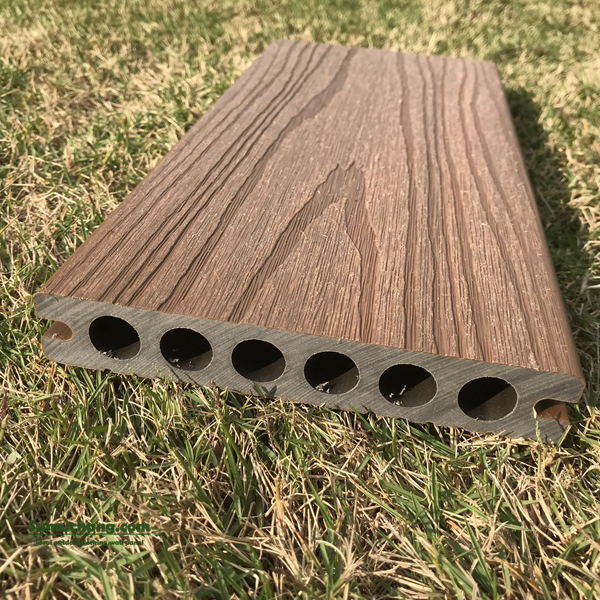
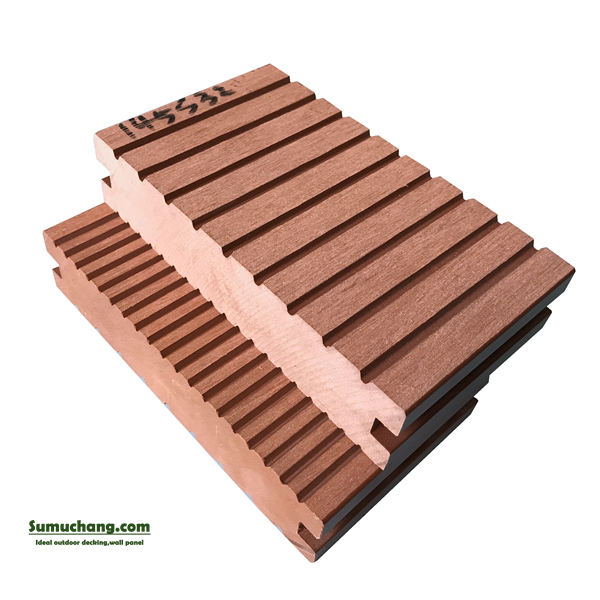
Al considerar las opciones de cubiertas al aire libre, muchos compradores se encuentran sopesando los pros y los contras de varios materiales.La madera natural ha sido durante mucho tiempo la opción para aquellos que buscan un atractivo estético, pero viene con su propio conjunto de desafíos.Si bien la madera ofrece un aspecto clásico, requiere un mantenimiento regular para garantizar la longevidad.Por el contrario, la cubierta compuesta, particularmente las variedades de material compuesto de plástico de madera tapada (WPC), presenta una alternativa que combina la belleza de la madera con la durabilidad de los materiales sintéticos.Una de las preguntas apremiantes para muchos es cuál es la cubierta compuesta más barata que no compromete la calidad.
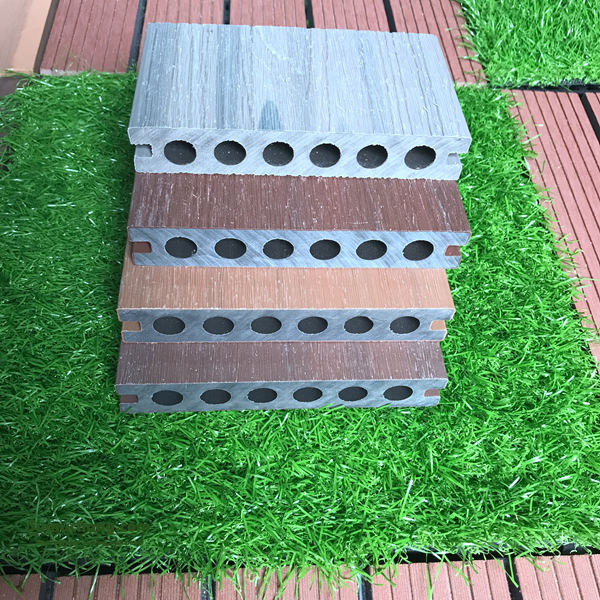
Capped WPC está diseñado para soportar los elementos, resistiendo la decoloración, la tinción y los problemas relacionados con la humedad que afectan a la madera tradicional.Esto significa menos tiempo dedicado al mantenimiento y más tiempo disfrutando del aire libre.Con el tiempo, el costo total de propiedad de la cubierta compuesta puede ser menor que el de la madera, principalmente debido a sus requisitos de mantenimiento reducidos y una vida útil más larga.
Consideraciones de mantenimiento
La madera natural exige un mantenimiento significativo, incluida la tinción regular, el sellado y el reemplazo ocasional de los tableros podridos.Estas actividades de mantenimiento no solo incurren en costes, sino que también requieren tiempo y esfuerzo.Por el contrario, el WPC limitado necesita un cuidado mínimo.Un simple lavado con agua y jabón a menudo es suficiente para que se vea fresco.Esta facilidad de mantenimiento contribuye al valor general de WPC, ya que los propietarios pueden evitar los procesos intensivos en mano de obra asociados con la madera.
Además, aunque ambos materiales requerirán cierto nivel de limpieza para preservar su apariencia, WPC no sufre los mismos problemas que la madera, como la astilla.Esta característica hace que la cubierta compuesta sea una opción más segura para familias con niños o mascotas, así como una opción más conveniente para aquellos que prefieren un estilo de vida de bajo mantenimiento.
Vida útil y durabilidad de los materiales de cubierta
Cuando se trata de la longevidad, WPC tapado eclipsa la madera natural.Si bien la cubierta de madera bien mantenida puede durar hasta veinte años, es susceptible a deformación, agrietamiento y descomposición con el tiempo.Con la tapa de WPC, por otro lado, cuenta con una vida útil de veinte a treinta años, dependiendo del producto específico y las condiciones ambientales.Esta durabilidad extendida refleja una inversión significativa que vale la pena en términos de valor a largo plazo.
La tapa protectora de las placas WPC también proporciona una capa adicional de defensa contra los elementos, lo que los hace menos propensos a los efectos de la humedad y la exposición a los rayos UV.Esta resiliencia significa menos reemplazos o reparaciones, lo que puede ser una ventaja considerable para el ahorro de costos a lo largo de los años.
Astillado y cuestiones de seguridad
Una de las ventajas más significativas de optar por WPC tapado sobre la madera natural radica en sus características de seguridad.La cubierta de madera puede desarrollar astillas, que no solo restan valor a su atractivo estético, sino que también representan un riesgo para los pies descalzos y las mascotas.Caped WPC está diseñado para eliminar esta preocupación, proporcionando una superficie suave y sin astillas que es cómoda y segura para todos los usuarios.
Este aspecto es particularmente beneficioso para las familias, ya que permite actividades al aire libre sin preocupaciones sin preocupaciones de lesiones por bordes afilados o astillas.El perfil de seguridad mejorado de WPC es un factor a menudo visto que se suma a su atractivo como material de cubierta.
Deformación y consideraciones ambientales
Los cambios ambientales, como la humedad y las fluctuaciones de temperatura, pueden hacer que la madera natural se deforme, se agriete o se infine.Esto no solo afecta el atractivo estético de la cubierta, sino que también puede conducir a problemas estructurales que requieren reparaciones o reemplazos.El WPC tapado está diseñado para resistir tal deformación, manteniendo su forma e integridad incluso en condiciones climáticas difíciles.Esta estabilidad es un factor crucial para aquellos que buscan invertir en una solución de cubierta confiable y duradera.
Además, WPC a menudo está hecho de materiales reciclados, lo que lo posiciona como una opción más respetuosa con el medio ambiente en comparación con la nueva madera procedente de los bosques.A medida que la sostenibilidad se convierte en una preocupación creciente entre los consumidores, elegir WPC con límites puede contribuir positivamente a esta narrativa al tiempo que garantiza que la cubierta siga siendo robusta y funcional.
Valor Total Real En El Tiempo
Al evaluar cuál es la opción de cubierta compuesta más barata sin sacrificar la calidad, es esencial considerar la longevidad general y los costos de mantenimiento.Si bien el precio de compra inicial de WPC con límite puede ser más alto que el de las alternativas de madera de menor calidad, los ahorros a largo plazo asociados con el mantenimiento, los reemplazos y las reparaciones pueden compensar significativamente esto.El valor total real radica en la durabilidad, el mantenimiento mínimo y las características de seguridad de WPC, lo que lo convierte en una inversión inteligente para los propietarios que buscan mejorar sus espacios de vida al aire libre.
En última instancia, al considerar los materiales de cubierta al aire libre, los compuestos de plástico de madera tapados emergen como un líder tanto en el rendimiento como en la economía.La combinación de atractivo estético, durabilidad y bajo mantenimiento lo convierte en una opción ideal para cualquier proyecto, proporcionando un valor que realmente refleja la calidad.