 Español
  English
  Français
  Português
  Deutsch
  Italiano
  Русский
  العربية
  简体中文
简体中文  香港中文
香港中文  한국어
한국어  日本語
日本語  Türkçe
  Nederlands
  Bahasa Indonesia
 La demanda de materiales de construcción sostenibles se ha disparado en los últimos años, impulsada por la creciente concienciación sobre los problemas medioambientales y el deseo de alternativas respetuosas con el medio ambiente. Una solución innovadora que ha surgido en este contexto son los paneles de pared que no son de madera, que ofrecen una serie de ventajas para aplicaciones exteriores. Esta aplicación de mercado no sólo responde a la necesidad de materiales sostenibles, sino que también presenta una opción atractiva para arquitectos, constructores y propietarios de viviendas que buscan mejorar sus espacios exteriores sin renunciar a la calidad ni a la estética.
Los paneles de pared que no son de madera suelen fabricarse con materiales como plásticos reciclados, materiales compuestos o incluso fibras naturales. Estas alternativas ofrecen numerosas ventajas sobre los productos de madera tradicionales, especialmente en exteriores, donde la exposición a la humedad, las plagas y las condiciones climáticas variables pueden acortar considerablemente la vida útil de las estructuras de madera. Al utilizar materiales resistentes a la putrefacción, el moho y la descomposición, los paneles de pared que no son de madera garantizan que las instalaciones exteriores sigan siendo duraderas y visualmente atractivas durante muchos años.
Una de las principales ventajas de los paneles de pared que no son de madera es su respeto por el medio ambiente. A medida que aumenta la concienciación social sobre el cambio climático y la degradación del medio ambiente, los consumidores buscan productos que minimicen su huella ecológica. Los paneles de pared de materiales distintos de la madera pueden fabricarse con materiales reciclados, con lo que se evitan los vertederos y se reduce la demanda de recursos vírgenes. Además, los procesos de fabricación de estos materiales suelen consumir menos energía que el procesamiento tradicional de la madera, lo que contribuye aún más a su sostenibilidad.

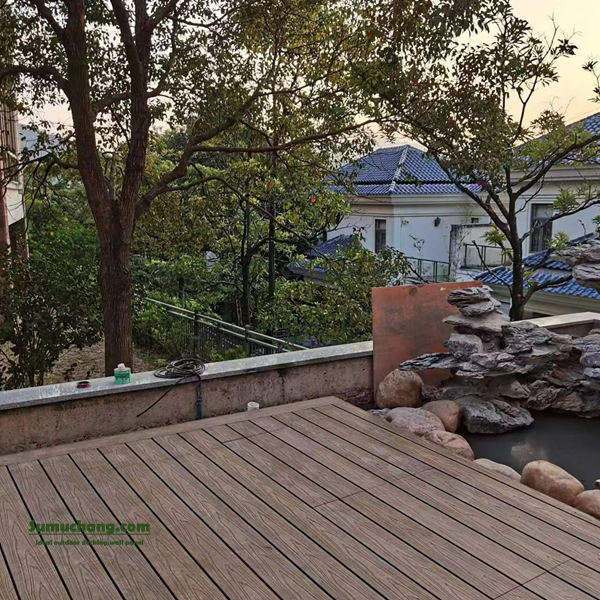
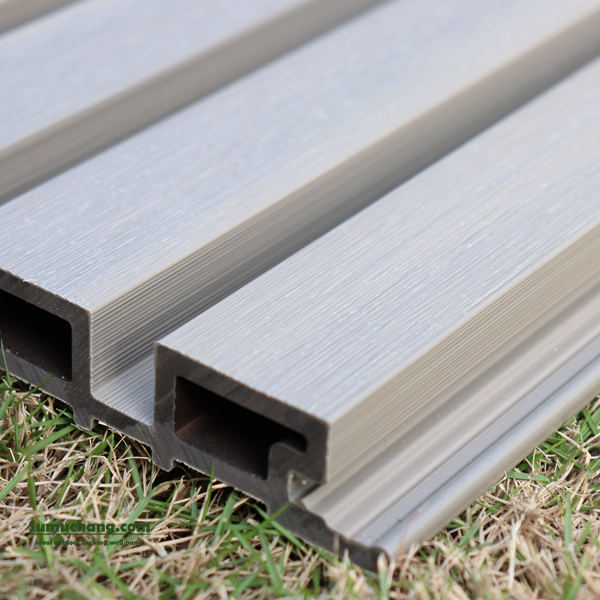
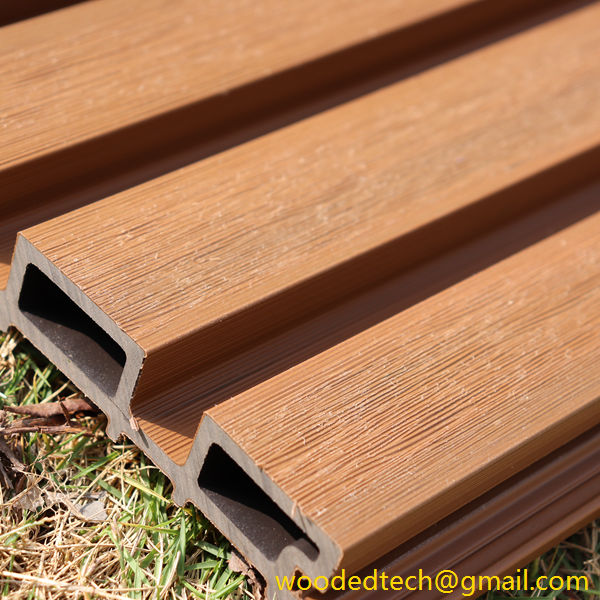
Además, los paneles de pared que no son de madera están disponibles en una amplia gama de diseños, colores y acabados, lo que los convierte en una opción atractiva para diversos estilos arquitectónicos. Tanto si se trata de un espacio exterior moderno como de una caseta de jardín rústica, estos paneles pueden adaptarse a las preferencias estéticas de propietarios y diseñadores. La versatilidad de los materiales que no son de madera permite posibilidades de diseño innovadoras, permitiendo la creación de entornos exteriores únicos que destacan.
Otra ventaja destacable de los paneles de pared que no son de madera es su escaso mantenimiento. A diferencia de la madera, que a menudo necesita tintes o sellados regulares para protegerla de los elementos, las opciones que no son de madera suelen ser más fáciles de limpiar y mantener. Muchos productos están diseñados para resistir la decoloración, las manchas y los arañazos, lo que permite a los propietarios dedicar menos tiempo al mantenimiento y más a disfrutar de sus espacios exteriores. Este aspecto es especialmente atractivo para quienes llevan una vida ajetreada y prefieren disfrutar del exterior sin complicaciones.
En términos de rendimiento, los paneles de pared que no son de madera pueden ofrecer un aislamiento térmico superior al de la madera tradicional. Esta característica es esencial para las estructuras exteriores, ya que puede ayudar a regular la temperatura y mejorar la eficiencia energética. Al crear un entorno exterior confortable, los propietarios pueden disfrutar de sus espacios durante todo el año, independientemente del tiempo que haga. Este aspecto de eficiencia energética se alinea con la creciente tendencia hacia una vida sostenible, en la que la reducción del consumo de energía es una prioridad para muchas personas.
El mercado de los paneles de pared que no son de madera también ha experimentado un aumento de la innovación, y los fabricantes invierten en investigación y desarrollo para mejorar la calidad y funcionalidad de sus productos. Por ejemplo, algunas empresas están explorando el uso de materiales compuestos avanzados que imitan el aspecto y el tacto de la madera natural al tiempo que ofrecen características de rendimiento mejoradas. Estas innovaciones permiten crear espacios exteriores que no sólo son ecológicos, sino también visualmente atractivos y funcionales.

Además, los paneles de pared que no son de madera pueden contribuir a la salud general de los entornos exteriores. Muchos tratamientos tradicionales de la madera contienen sustancias químicas nocivas que pueden filtrarse en el suelo y las vías fluviales, lo que supone un riesgo para los ecosistemas locales. En cambio, los materiales que no son de madera no suelen contener estas sustancias nocivas, lo que los convierte en una opción más segura para aplicaciones de paisajismo y jardinería. Este aspecto resuena entre los consumidores concienciados con el medio ambiente, cada vez más preocupados por el impacto de sus elecciones en el planeta.
El proceso de instalación de los paneles de pared que no son de madera suele ser sencillo, lo que puede reducir los costes de mano de obra y los plazos del proyecto. Muchos productos están diseñados para un montaje sencillo, con sistemas de enclavamiento o materiales ligeros que simplifican el proceso de instalación. Esta facilidad de instalación puede ser especialmente beneficiosa para los aficionados al bricolaje que deseen emprender proyectos de exterior sin necesidad de ayuda profesional.
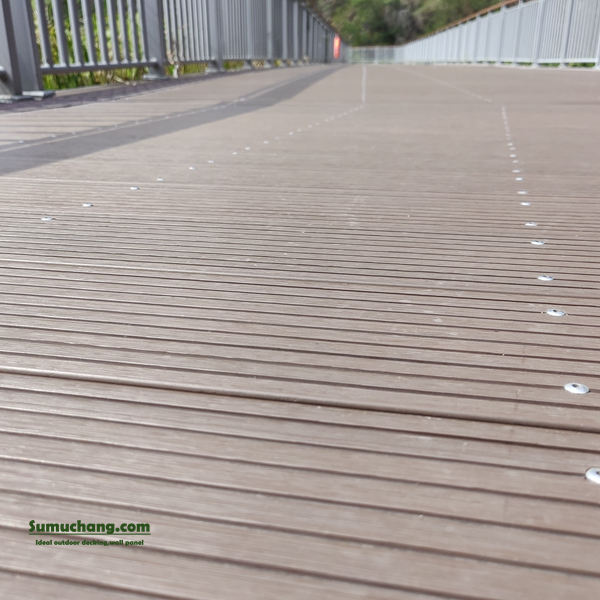
La versatilidad de los paneles de pared que no son de madera va más allá de las aplicaciones residenciales. Los proyectos comerciales, como restaurantes, hoteles y espacios públicos, también pueden beneficiarse de estas soluciones ecológicas. A medida que más empresas reconocen la importancia de la sostenibilidad en sus operaciones, la incorporación de materiales distintos de la madera en su diseño puede mejorar su imagen de marca y atraer a consumidores concienciados con el medio ambiente.
A medida que siga creciendo el mercado de los paneles de pared distintos de la madera, cabe esperar que surjan más innovaciones y variaciones de producto. Esta evolución conducirá probablemente a una mayor competencia entre los fabricantes, lo que en última instancia beneficiará a los consumidores con más opciones y productos de mejor calidad. El cambio hacia prácticas de construcción sostenibles está reconfigurando el panorama de la construcción y el diseño, y los revestimientos murales distintos de la madera están a la vanguardia de este movimiento.
La incorporación de paneles de pared que no sean de madera a las soluciones de exterior se ajusta bien a los principios del desarrollo sostenible. Representa un esfuerzo consciente por minimizar el impacto medioambiental de la construcción sin dejar de alcanzar objetivos estéticos y funcionales. A medida que aumente la concienciación sobre los problemas medioambientales, es probable que aumente la demanda de este tipo de soluciones innovadoras, lo que convertirá a los paneles murales que no sean de madera en un elemento esencial del diseño moderno de exteriores. Al elegir materiales sostenibles, los consumidores pueden crear espacios exteriores bellos y funcionales que reflejen sus valores y contribuyan a un planeta más sano.