 Español
  English
  Français
  Português
  Deutsch
  Italiano
  Русский
  العربية
  简体中文
简体中文  香港中文
香港中文  한국어
한국어  日本語
日本語  Türkçe
  Nederlands
  Bahasa Indonesia
 Comparación de cubiertas compuestas y madera para espacios al aire libre
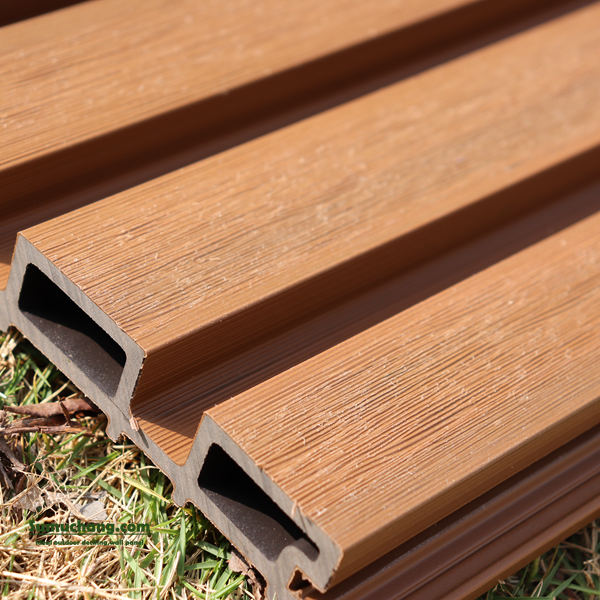
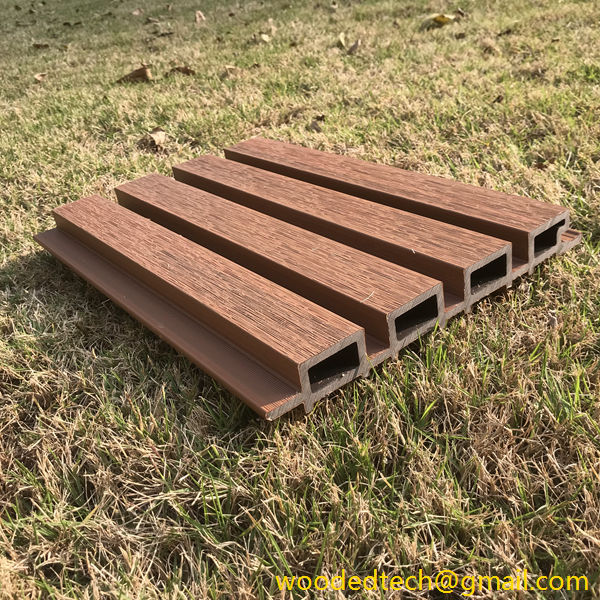
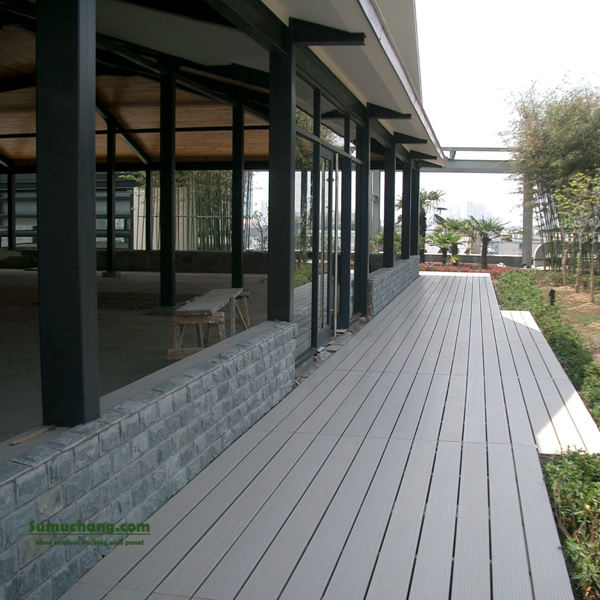
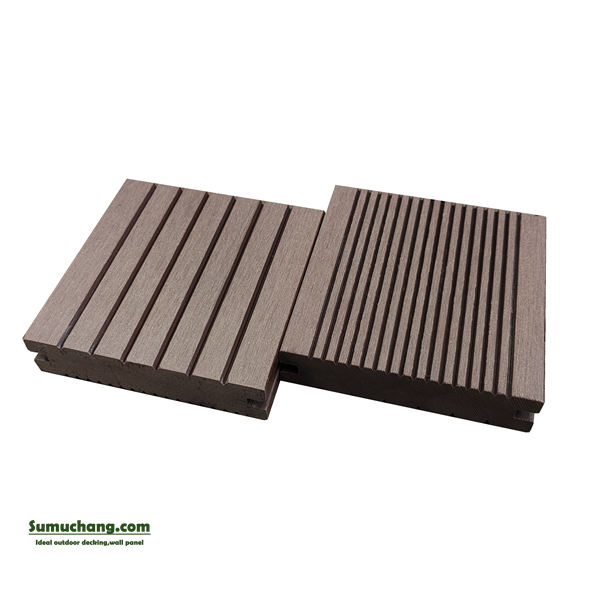
Los espacios al aire libre han sido durante mucho tiempo un punto focal para los propietarios de viviendas que buscan mejorar sus áreas de vida.Cuando se trata de elegir materiales, el debate a menudo se centra en la cubierta compuesta frente a la madera.Cada material cuenta con su conjunto único de beneficios e inconvenientes, que satisfacen diferentes preferencias y requisitos.La cubierta compuesta, hecha de una mezcla de fibras de madera y plástico, ha surgido como una alternativa popular a las cubiertas de madera tradicionales.La madera, una opción clásica, aporta estética natural y calidez a cualquier entorno exterior.En este artículo, exploraremos los aspectos esenciales relacionados con estos materiales, particularmente desde la perspectiva de un especialista en exportación de comercio exterior para productos WPC al aire libre.
El proceso internacional de compra
La compra de materiales de cubierta al aire libre a escala internacional implica varios pasos cruciales.Inicialmente, un comprador potencial se comunica con las cotizaciones.En esta etapa, es esencial proporcionar especificaciones detalladas, incluido el tipo de cubierta o madera compuesta deseada, dimensiones y cualquier tratamiento específico necesario para la durabilidad.Las cotizaciones generalmente incluyen detalles de precios, plazos de entrega esperados y costos de envío, todos los cuales pueden variar significativamente según el material elegido y el poder de negociación de ambas partes.
Una vez que la cita es revisada y aceptada, el siguiente paso implica la aprobación de la muestra.Esta es una parte integral del proceso en el que el comprador evalúa la calidad, el color y el acabado del material.Para la cubierta compuesta, esto significa evaluar la textura y la apariencia, que deben parecerse mucho a la madera, pero ofrecen una durabilidad superior y un bajo mantenimiento.No es raro que los compradores soliciten varias muestras antes de tomar una decisión final, especialmente con inversiones de alto riesgo como la cubierta al aire libre.
Carga de envases y contenedores
Después de la aprobación de la muestra, los siguientes pasos implican un embalaje efectivo y la carga de contenedores.El material elegido debe ser embalado de forma segura para resistir los rigores del transporte internacional.Para los productos de cubierta compuesta, esto a menudo significa el uso de envases resistentes a la humedad para evitar daños durante el tránsito.El embalaje adecuado no solo protege los productos, sino que también garantiza que lleguen en excelentes condiciones, listos para su instalación.
La carga de contenedores es otra fase crítica en el proceso de compra internacional.Es vital maximizar el espacio dentro del contenedor de transporte mientras se asegura que los materiales se carguen de manera segura para evitar el movimiento durante el tránsito.Esto requiere una planificación y coordinación precisas con los proveedores de logística, ya que cualquier error de cálculo puede conducir a un aumento de los costos de envío o complicaciones en las aduanas.
Documentos de envío y cumplimiento
La preparación de los documentos de envío es una parte compleja pero esencial del proceso de exportación.Estos documentos generalmente incluyen la factura comercial, la lista de empaque, el conocimiento de embarque y cualquier certificado de origen necesario para el cumplimiento de las regulaciones comerciales internacionales.La documentación precisa es crucial para despacho de aduanas y evitar retrasos o costes adicionales.La mala gestión en esta etapa puede descarrilar todo el envío, lo que lleva a la insatisfacción tanto para el proveedor como para el comprador.
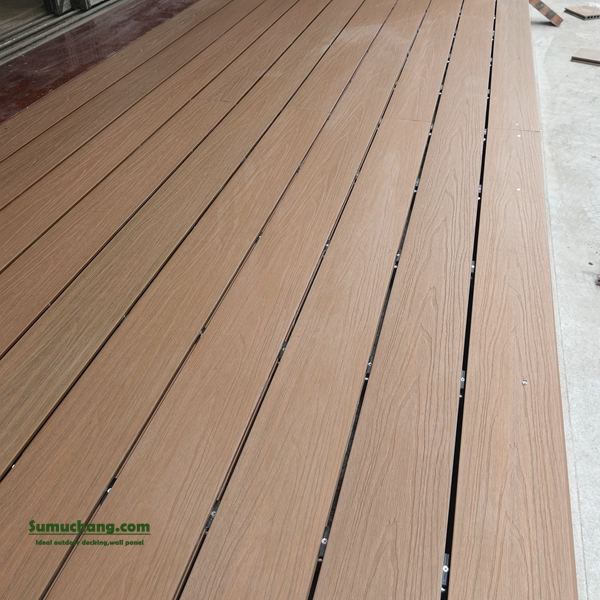
Además del papeleo, se debe considerar el cumplimiento de la normativa local en el país de destino.Algunas regiones tienen requisitos específicos con respecto a los tipos de materiales permitidos para la construcción al aire libre, particularmente en lo que respecta a la sostenibilidad y el impacto ambiental.Como especialista en exportación de comercio exterior, conocer estas regulaciones puede facilitar transacciones más fluidas y establecer relaciones más sólidas con distribuidores extranjeros.
Cooperación con distribuidores de Ultraseires
Establecer una asociación exitosa con distribuidores extranjeros es vital para maximizar el alcance de los productos WPC al aire libre.Los canales de comunicación sólidos y los objetivos compartidos pueden mejorar significativamente la colaboración.Los distribuidores a menudo tienen una profunda comprensión de las tendencias del mercado local y las preferencias de los consumidores, que pueden guiar el desarrollo de productos y las estrategias de marketing.
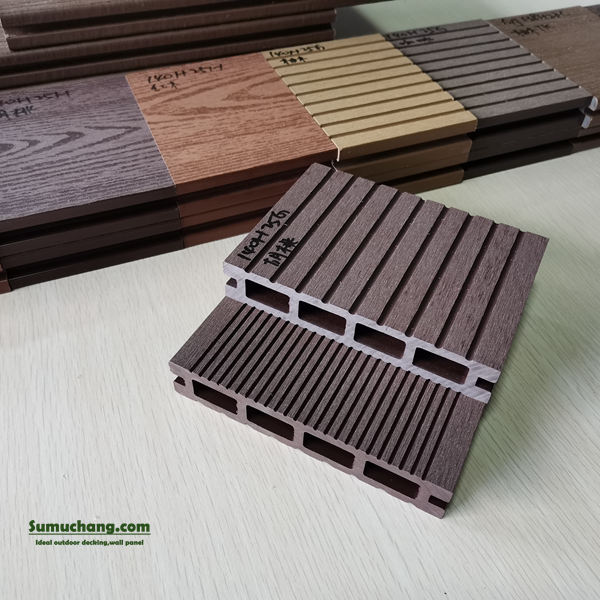
Además, proporcionar una capacitación y apoyo exhaustivos a los distribuidores puede garantizar que estén bien equipados para promover y vender cubiertas compuestas o madera de manera efectiva.Esto puede implicar compartir muestras de productos, materiales de marketing y especificaciones detalladas para ayudar a sus equipos de ventas.Las iniciativas de marketing conjuntas también pueden fomentar un sentido de asociación, lo que en última instancia conduce a un aumento de las ventas y la presencia en el mercado.
El futuro de los espacios al aire libre
A medida que los espacios de vida al aire libre continúan evolucionando, la elección entre la cubierta compuesta y la madera sigue siendo una consideración importante para muchos.La cubierta compuesta presenta una alternativa práctica y de bajo mantenimiento que ofrece durabilidad y longevidad.Por otro lado, la madera tradicional aporta un atractivo y un encanto estéticos inigualables, atractivos para aquellos que prefieren un toque clásico.La comprensión del proceso de compra internacional, desde la cotización hasta la entrega final, es primordial para tomar decisiones informadas que se alineen con las preferencias de presupuesto y estilo.
Como especialista en exportación de comercio exterior, el enfoque sigue siendo garantizar que los productos al aire libre de alta calidad lleguen a los mercados de todo el mundo.Al priorizar las operaciones eficientes y fomentar fuertes relaciones con los distribuidores, el potencial de crecimiento en los mercados de cubierta compuesta y madera continúa floreciendo.