 English
  Español
  Français
  Português
  Deutsch
  Italiano
  Русский
  العربية
  简体中文
简体中文  香港中文
香港中文  한국어
한국어  日本語
日本語  Türkçe
  Nederlands
  Bahasa Indonesia
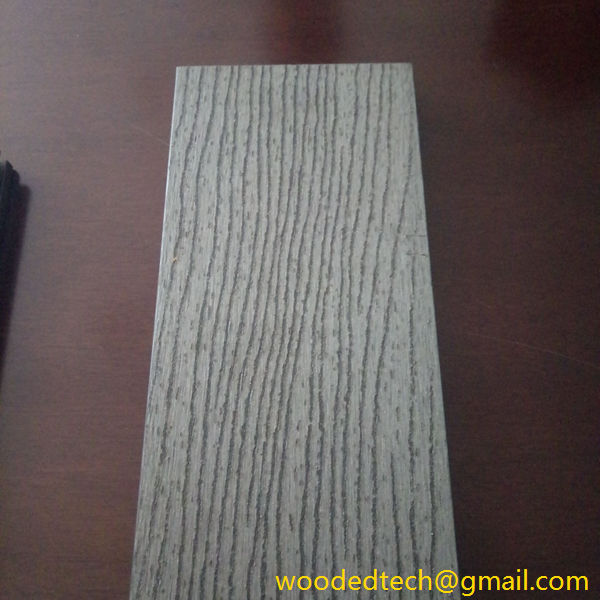
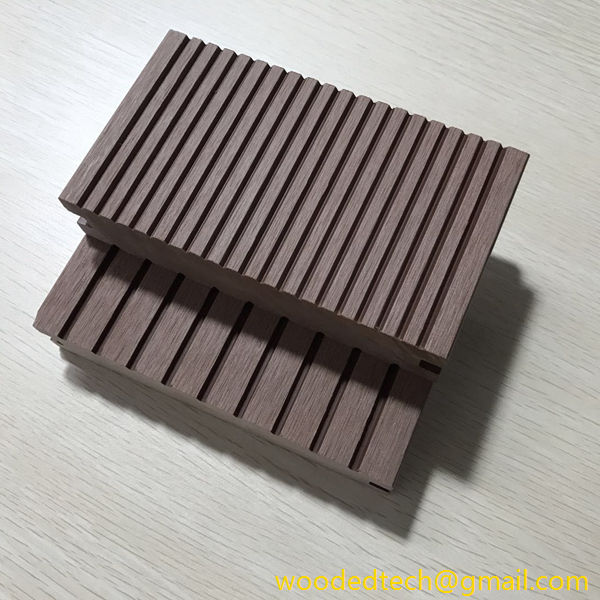
 Composite decking has emerged as a popular choice for outdoor applications, particularly with the availability of 12-foot boards that offer versatility and ease of installation. The combination of wood fibers and recycled plastics not only enhances the aesthetic appeal but also provides numerous practical benefits for homeowners and contractors alike. Understanding the installation and maintenance aspects of composite decking can help ensure that your outdoor space remains beautiful and functional for years to come.
When considering composite decking, one of the key advantages is its ease of installation. The 12-foot length allows for fewer seams and joints, creating a cleaner and more streamlined appearance. Unlike traditional wood decking that often requires extensive cutting and measuring, composite materials can be installed with relative simplicity. Most composite decking products come with a tongue-and-groove design or hidden fastening systems that minimize visible screws, making for a more polished look. This feature is particularly beneficial for DIY enthusiasts, as it reduces the amount of time and skill needed for a successful installation.

To begin the installation process, it is essential to prepare the underlying structure properly. Composite decking requires a sturdy frame, typically made of treated lumber or metal, to support the boards. Ensuring that the substructure is level and adequately spaced is crucial, as improperly installed framing can lead to warping or sagging over time. It is recommended to use joists spaced no more than 16 inches apart to provide adequate support for the 12-foot boards. Additionally, proper drainage must be considered to prevent water accumulation, which can lead to mold or mildew growth beneath the decking.
Once the framework is in place, laying the composite boards is the next step. It is important to leave appropriate gaps between the boards to allow for expansion and contraction due to temperature fluctuations. Most manufacturers provide specific guidelines on the spacing required, usually around one-eighth of an inch. As you install the boards, it is advisable to start from one end and work your way across, ensuring that each board is securely fastened. Using a power drill with the appropriate bits can expedite this process and create a more consistent appearance.
After installation, maintaining composite decking is relatively straightforward compared to traditional wood options. One of the standout features of composite materials is their resistance to rot, splintering, and insect damage. This durability means that homeowners do not need to worry about regular sealing or staining, which are essential maintenance tasks for wood decks. However, some level of maintenance is still required to keep the decking looking its best.
Cleaning is one of the most important aspects of maintaining composite decking. Regular sweeping to remove dirt, leaves, and debris will prevent buildup that can lead to discoloration or mold growth. For a deeper clean, using a mild soap and a soft-bristle brush is recommended. It is essential to avoid harsh chemicals or abrasive materials that could damage the surface of the composite boards. Manufacturers often provide specific cleaning solutions that are safe for their products, so consulting these guidelines can help ensure the longevity of your decking.

In areas prone to heavy rain or snow, additional care may be necessary. While composite decking is designed to withstand the elements, it is wise to remove any accumulated snow or ice promptly to prevent potential damage. Using a plastic shovel can help avoid scratching the surface, which is particularly important during winter months. Furthermore, placing mats or rugs at entry points can help minimize the amount of dirt and moisture tracked onto the deck.
Another consideration is the potential for discoloration over time. While composite materials are designed to resist fading, exposure to intense sunlight may still cause some color changes. To mitigate this, selecting boards with UV protection can be beneficial. Furthermore, placing furniture or umbrellas strategically can help reduce direct sunlight exposure on specific areas of the deck.
When it comes to repairs, composite decking typically requires less upkeep than wood. However, if damage does occur, many manufacturers offer replacement boards or kits that can be easily installed without having to replace the entire deck. This feature ensures that maintaining the integrity and appearance of your outdoor space is both cost-effective and efficient.
Choosing composite decking for your outdoor applications, particularly the versatile 12-foot boards, can enhance the beauty and functionality of your space while simplifying both installation and maintenance. By following proper installation practices and performing routine maintenance, homeowners can enjoy a stunning deck that withstands the test of time. The combination of durability, ease of care, and aesthetic appeal makes composite decking an excellent choice for anyone looking to elevate their outdoor living experience.